
Blade Runner 2049: A Visual Masterpiece of Identity and Memory
If you are looking for a film that redefines modern science fiction, Blade Runner 2049 is an essential experience. Directed by Denis Villeneuve, this sequel to Ridley Scott’s 1982 classic manages to honor its predecessor while standing on its own as a profound, visually stunning exploration of what it means to be human.

The Plot: A Search for Truth in a Dying World
The story follows Officer K (Ryan Gosling), a "Blade Runner" for the LAPD who hunts down rogue replicants. During a routine assignment, he uncovers a long-buried secret that could shatter the fragile order of society. This discovery leads K on a perilous journey to find Rick Deckard (Harrison Ford), the former Blade Runner who has been missing for thirty years.
Why Blade Runner 2049 Stands Out
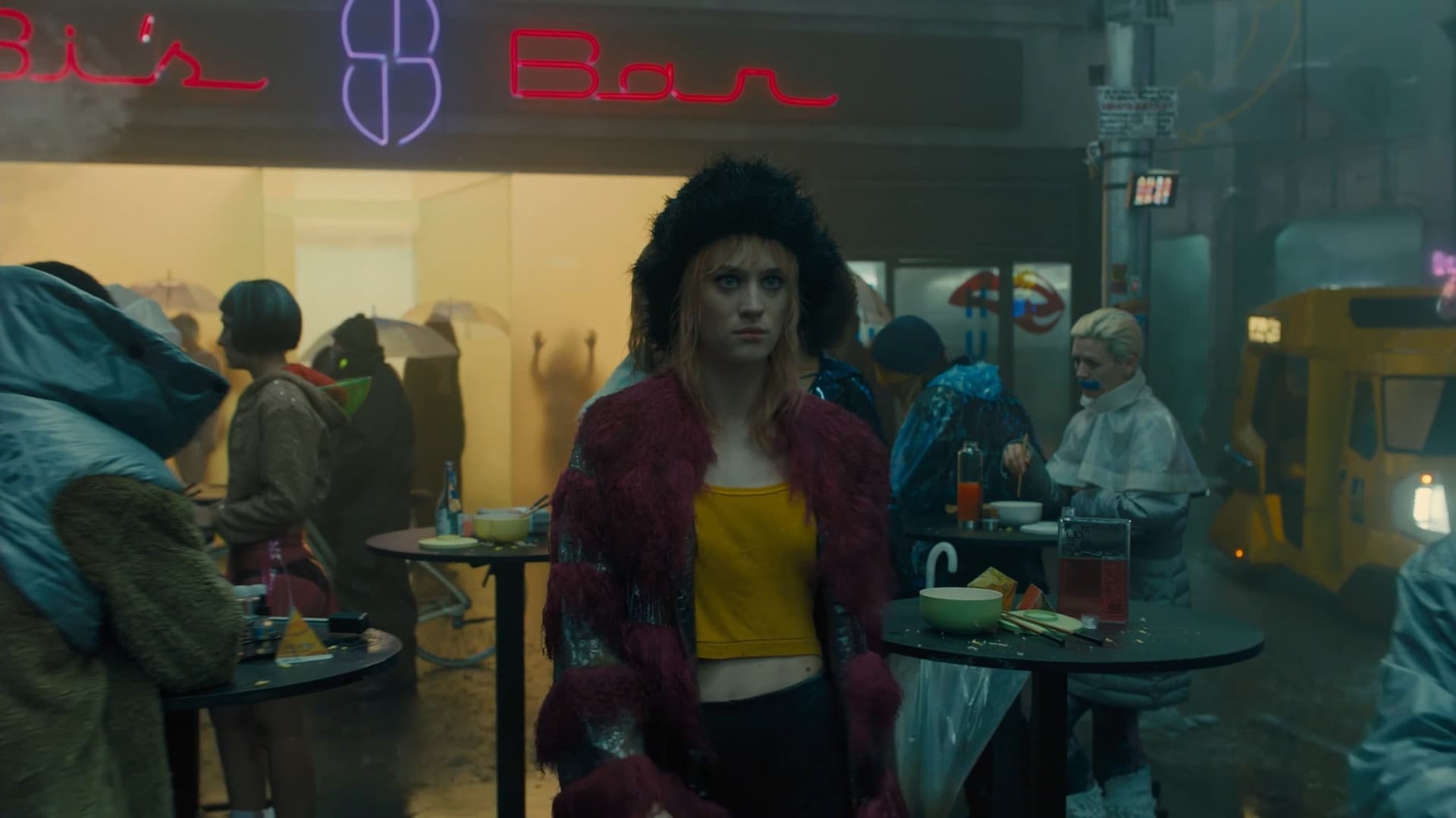
Cinematographic Perfection: With Roger Deakins behind the lens, every frame is a work of art. The film’s use of color—from the neon-soaked streets of Los Angeles to the haunting, orange-haze of a ruined Las Vegas—creates an atmosphere unlike anything else in cinema.
Deep Philosophical Themes: Beyond the action, the film dives into complex questions about artificial intelligence, the soul, and the importance of memories, whether they are real or manufactured.
Powerful Performances: Ryan Gosling delivers a masterful, restrained performance as K, while Harrison Ford provides a deeply emotional return as Deckard. The supporting cast, including Ana de Armas and Sylvia Hoeks, adds layers of tension and heart to the narrative.
For fans of slow-burn sci-fi and breathtaking cinematography, Blade Runner 2049 is a rare cinematic achievement that demands to be seen on the biggest screen possible.

Mastered the Frame?
Test your visual memory and see if you can guess this movie in 6 frames.
Solve Today's Puzzle