Better Call Saul: The Tragic and Brilliant Transformation of Jimmy McGill
If you are looking for a television masterpiece that defines character-driven storytelling, Better Call Saul is essential viewing. As a prequel to the legendary Breaking Bad, this series achieves the impossible by matching its predecessor's quality while carving out its own unique identity as a legal drama and a slow-burn tragedy.

The Plot: From Hustler to Criminal Lawyer
The story follows Jimmy McGill (Bob Odenkirk), a small-time public defender and former con artist struggling to make a name for himself in Albuquerque. Driven by a desire to prove his worth to his successful brother Chuck and supported by his brilliant partner Kim Wexler, Jimmy’s journey is one of moral erosion.
Over six seasons, we witness the gradual and heartbreaking transformation of the well-meaning Jimmy McGill into the flamboyant, morally bankrupt "criminal" lawyer, Saul Goodman.

Why Better Call Saul Stands Out
Masterful Character Development: Bob Odenkirk delivers a powerhouse performance, making Jimmy’s descent feel both inevitable and deeply sympathetic. Rhea Seehorn’s portrayal of Kim Wexler provides the show with its moral and emotional anchor.
Intricate Cinematography: The series is famous for its visual storytelling, using unconventional camera angles and a meticulous color palette to reflect the internal states of its characters.
High-Stakes Legal and Cartel Drama: The show perfectly balances the quiet intensity of courtroom battles with the lethal, high-tension world of the Salamanca drug cartel and the enigmatic Mike Ehrmantraut.
For fans of crime dramas and complex character studies, Better Call Saul is a rare triumph that explores how a man’s virtues can ultimately become his downfall.

Mastered the Frame?
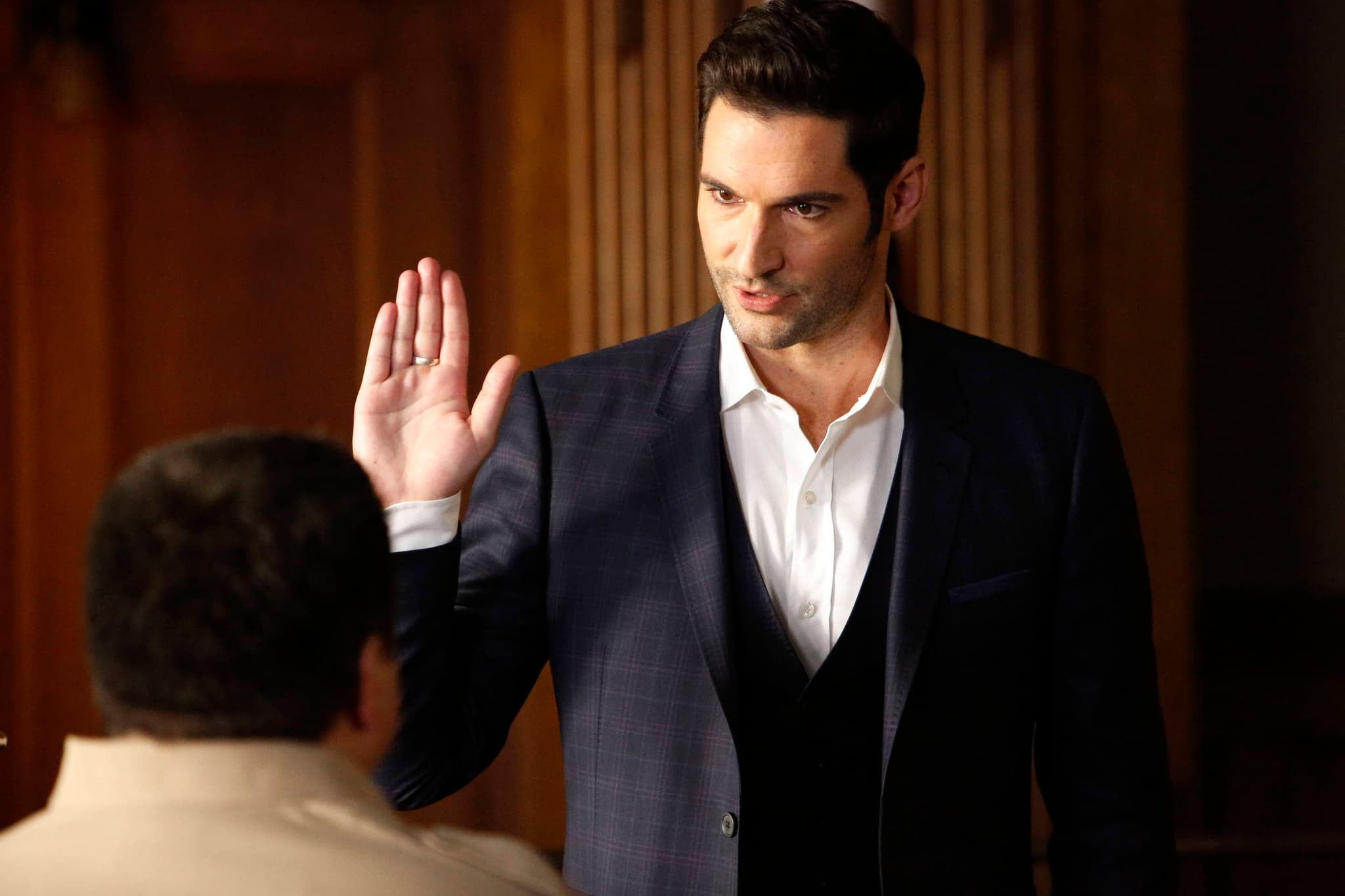
Test your visual memory and see if you can guess this movie in 6 frames.
Solve Today's Puzzle