Donnie Darko: The Architecture of a Tangent Universe
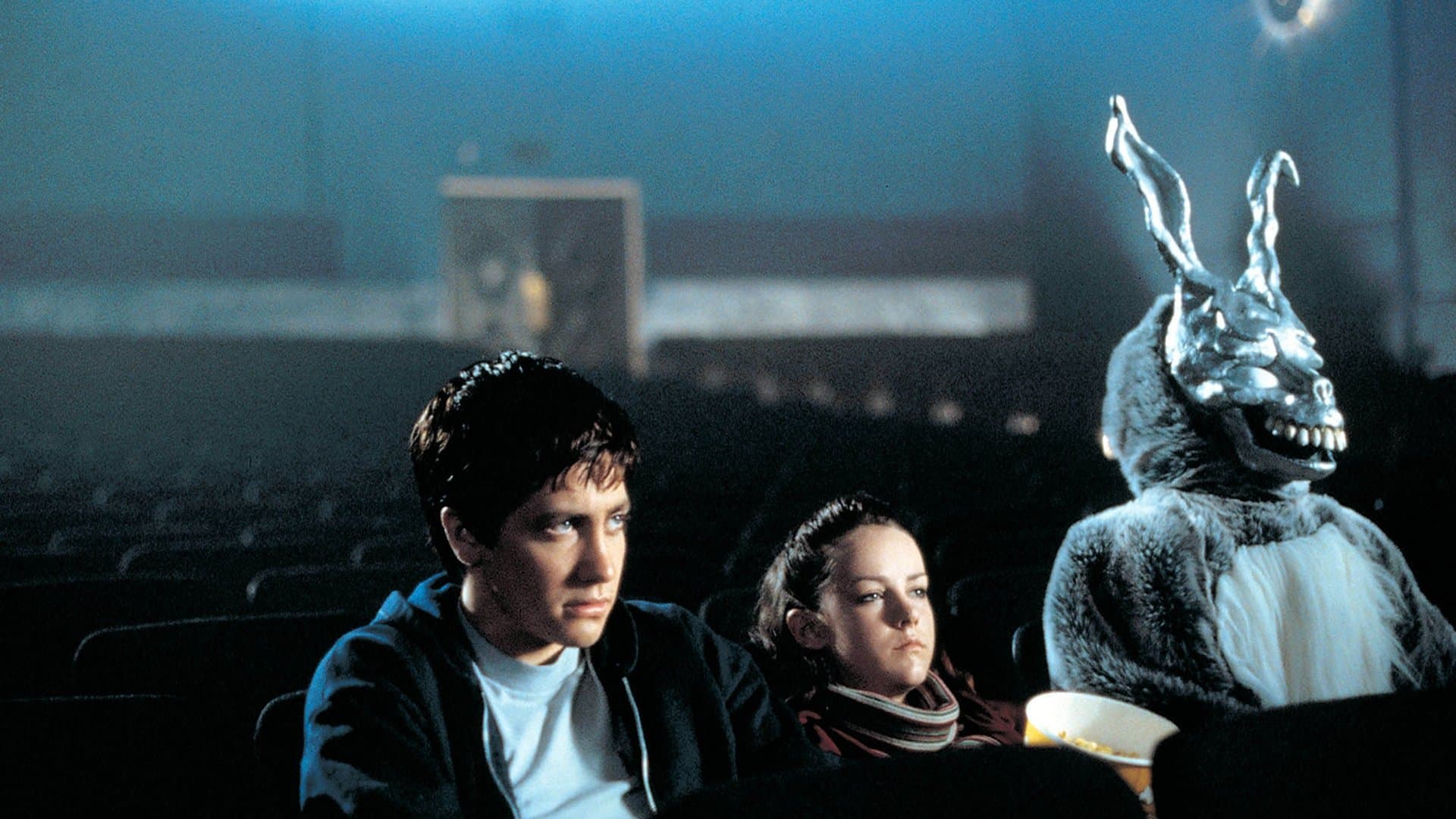
I recall being completely baffled when I first saw Donnie Darko in a crowded theater back in 2001 but a recent viewing revealed that the confusion was entirely intentional. While most teen movies from that era relied on bright lighting and pop punk soundtracks I noticed that director Richard Kelly treats the suburbs like a haunted house. My analysis suggests that the film uses specific lens distortions to mirror the collapsing mental state of the protagonist. It creates a feeling of dread that lingers long after the credits roll.
The Head Over Heels Sequence and Speed Ramping
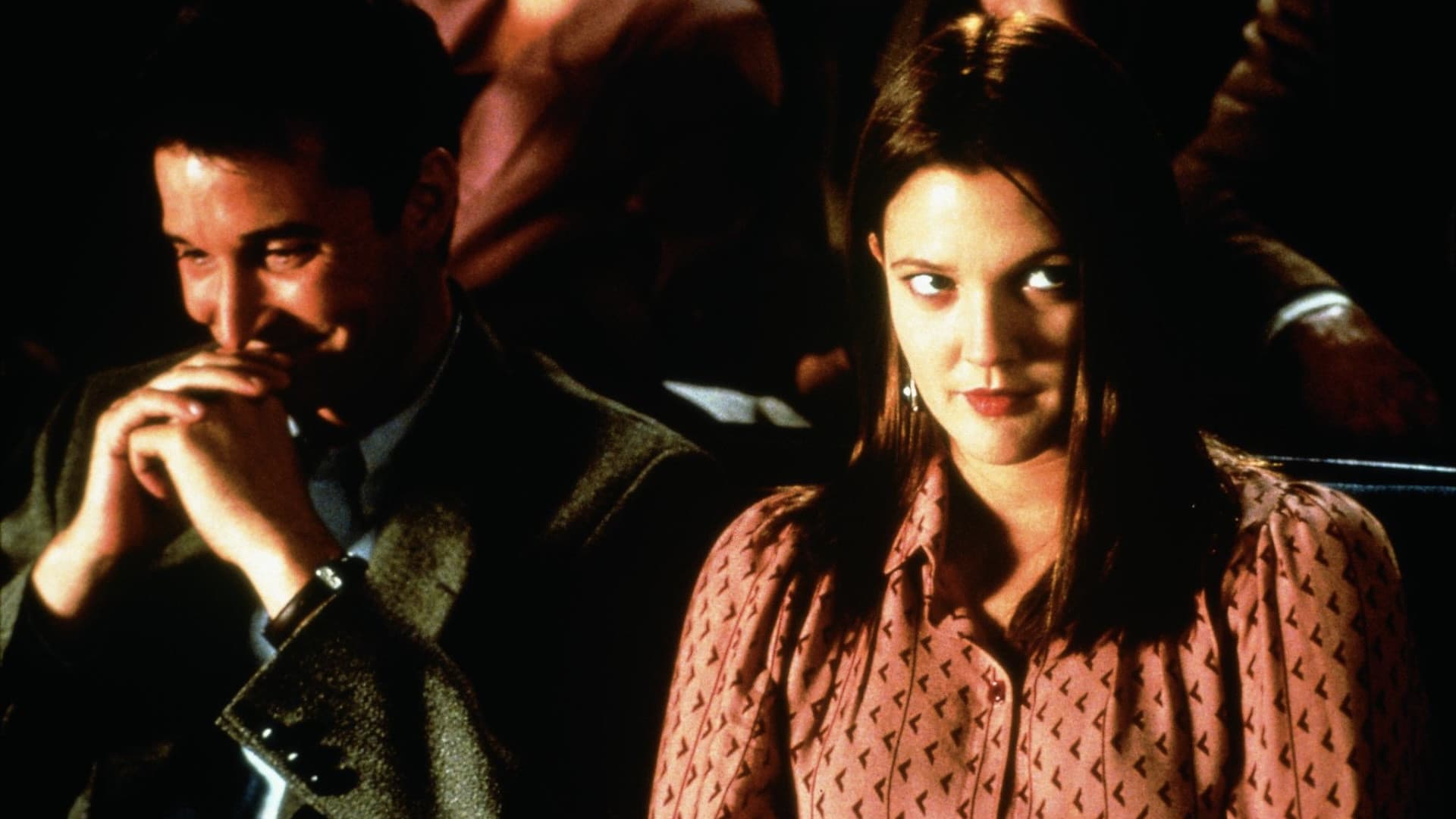
The most technically impressive moment for me is undoubtedly the "Head Over Heels" school introduction sequence. I analyzed the cinematography here and it is a masterclass in blocking and timing. The camera glides through the corridors in one long continuous take that utilizes speed ramping to accelerate and decelerate the action. This technique allows us to see the social hierarchy of the school in a fluid motion. The visual storytelling establishes the relationships between the bullies and the teachers and the outcasts without a single word of exposition. It creates a dreamlike quality that suggests the narrative structure is already beginning to unravel.
Practical Surrealism and The Mirror
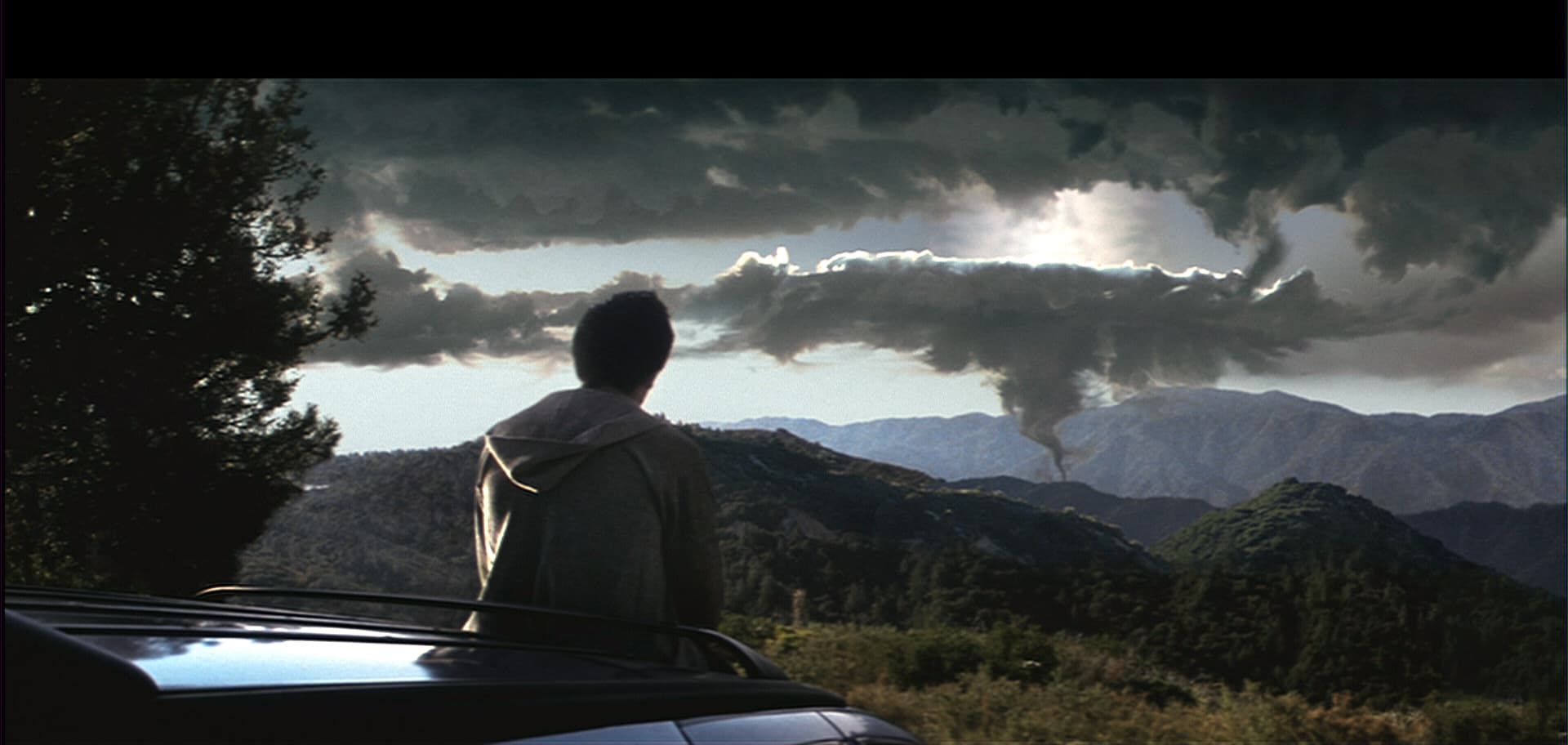
I was genuinely impressed by the use of practical effects over CGI in the mirror sequence where Donnie interacts with Frank. The production design team built a physical set that allowed the camera to move through the glass which creates a seamless transition between reality and hallucination. I noticed that the visual aesthetics of the "liquid spears" emerging from the chests of characters were clearly designed to look biological rather than digital. This adds a layer of symbolism regarding fate and free will because these liquid paths visually guide the characters like puppets on a string. It turns a standard character study into a philosophical debate about determinism.

Lighting the Tangent Universe
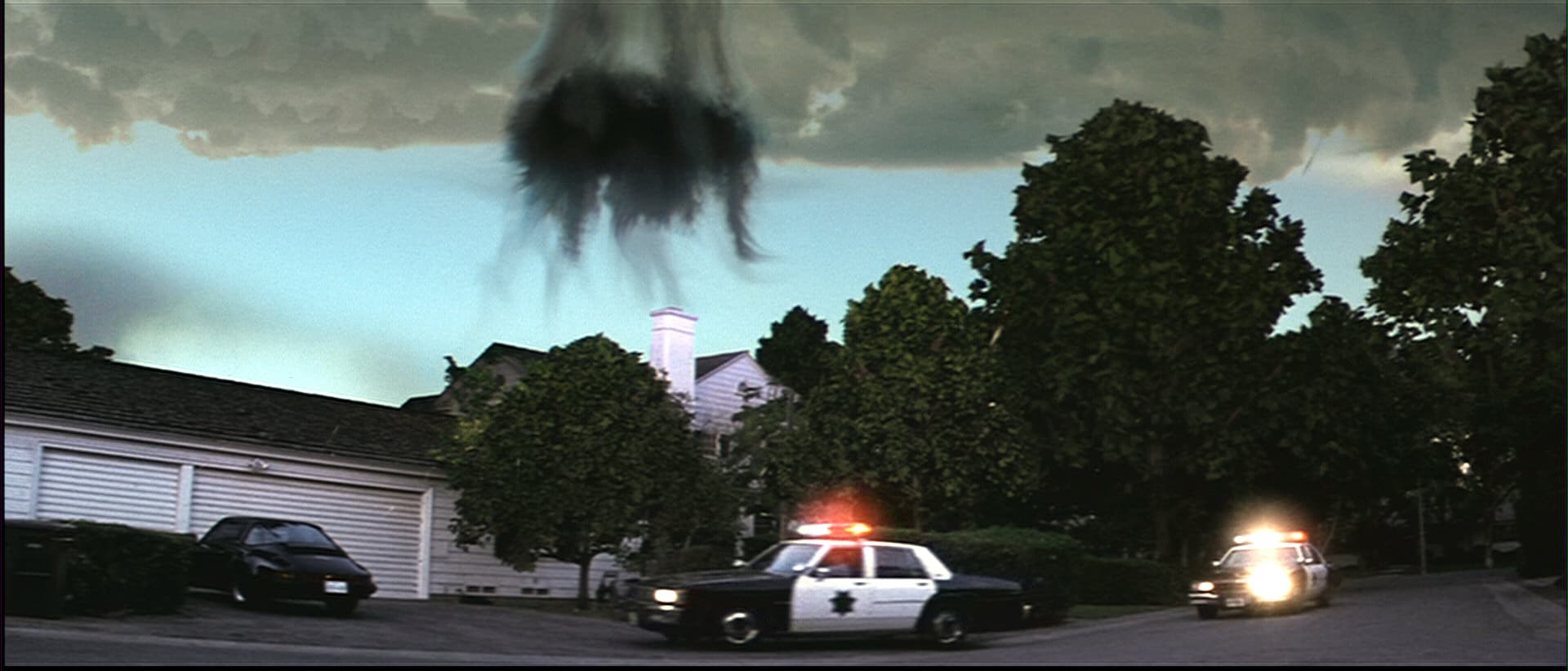
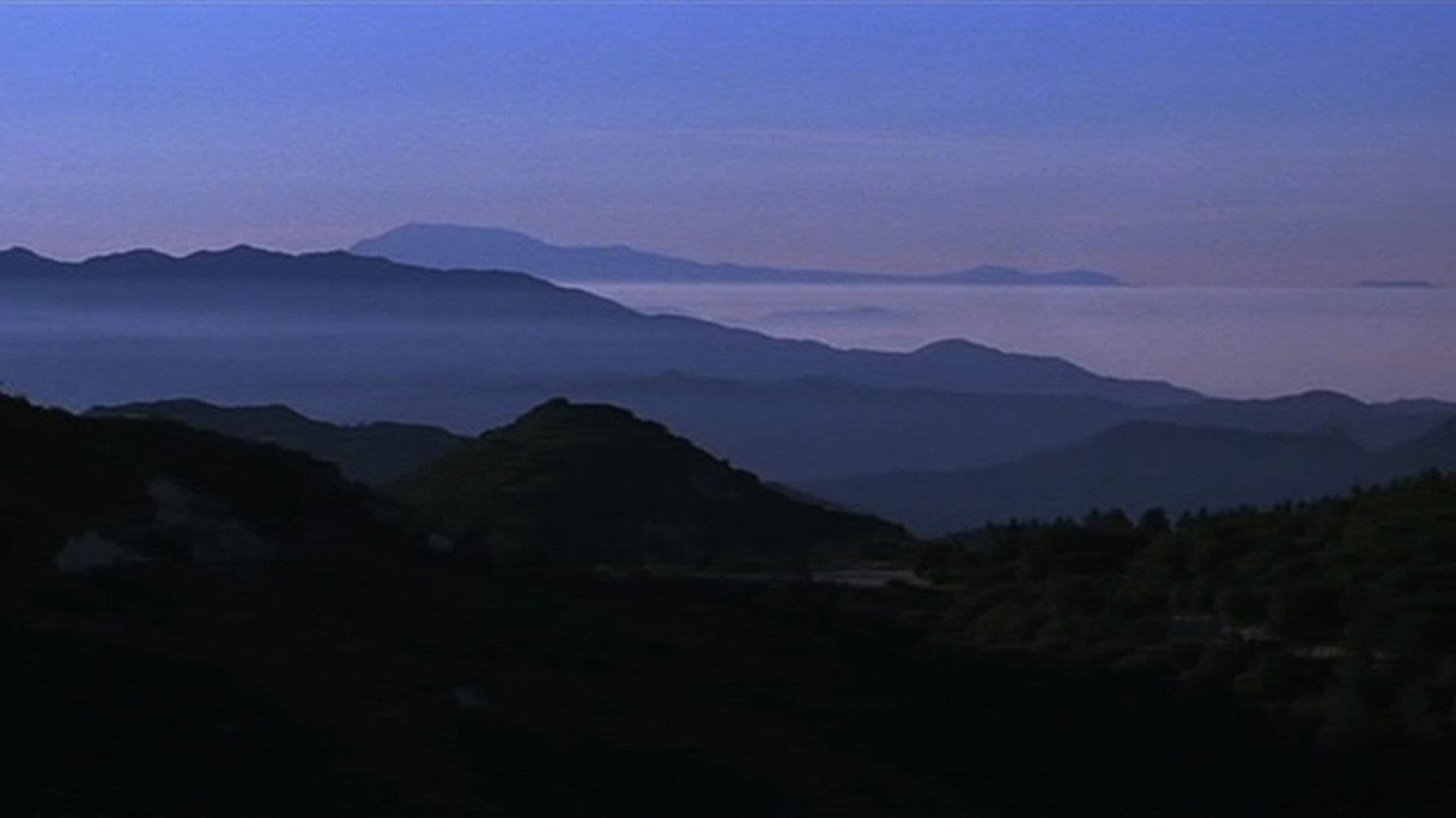
A critical review of the lighting reveals a deliberate shift as the countdown to the apocalypse progresses. In the early scenes I observed a fairly naturalistic approach to the lighting but as the plot analysis deepens the shadows become longer and harder. The filmmakers use low-key lighting and blue gels to bathe the screen in a cold and unnatural glow. I found hidden details in the background of the dark family home where shadows seem to loom over Donnie like the jet engine that eventually crushes him. This constant visual pressure emphasizes his isolation and makes the suburban setting feel claustrophobic rather than comforting.
The Flickle Visual Score
8.8/10 – I am awarding this score for the innovative use of variable frame rates in the school montage which perfectly captures the surreal and detached atmosphere of the tangent universe without relying on heavy post-production effects.
If you think you have the eye to spot these subtle camera tricks then test your skills in our daily movie puzzle game at https://www.flickle.co
Mastered the Frame?
Test your visual memory and see if you can guess this movie in 6 frames.
Solve Today's Puzzle