The Umbrella Academy: A Symphony of Symmetrical Chaos
I must confess that I usually find modern superhero adaptations visually exhausting but The Umbrella Academy grabbed my attention immediately because it looks like Wes Anderson decided to direct an X-Men movie. My analysis focuses on how the show uses precise geometry to mask the messy emotional lives of its protagonists. It is a rare example where the style is not just decoration but serves as the primary method of storytelling.
Center Framing and The Geometry of Loneliness
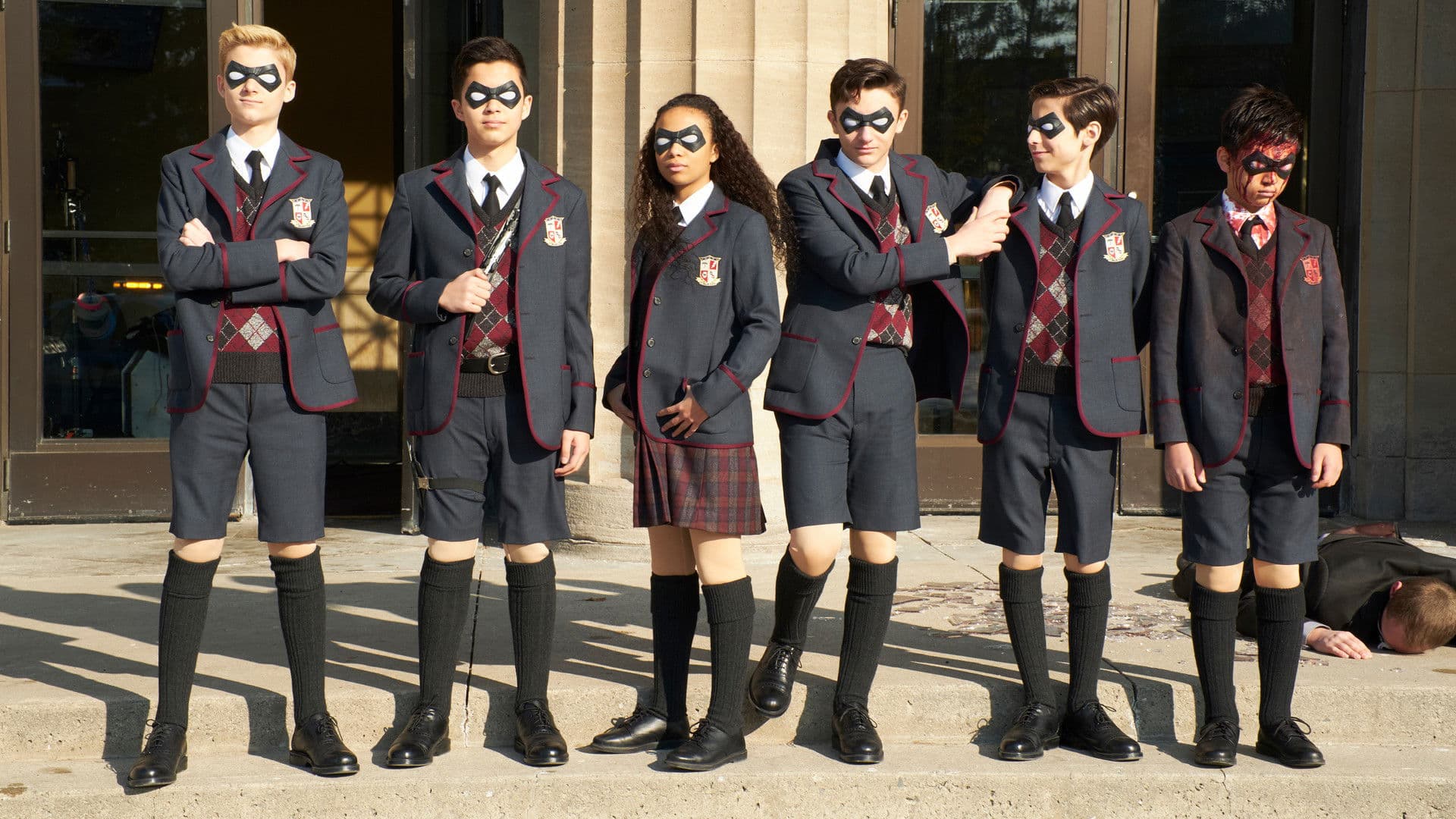
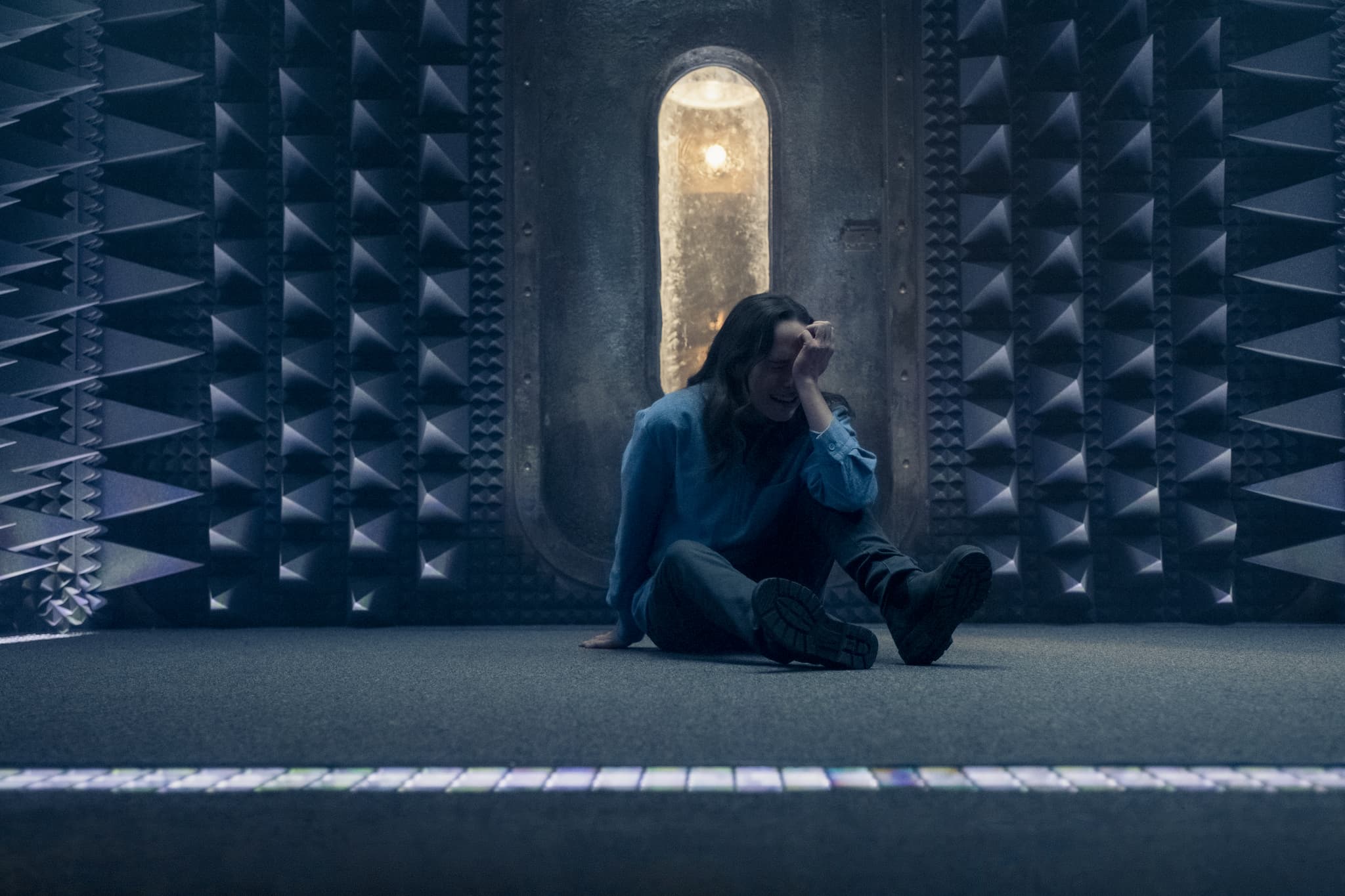
When I studied the cinematography throughout the first season I noticed an obsessive reliance on center framing. The directors frequently place each sibling exactly in the middle of the frame with a wide-angle lens. This specific use of visual aesthetics creates a feeling of isolation even when they are in the same room. I found that this composition technique effectively communicates the character study of a dysfunctional family where everyone is the protagonist of their own tragedy but no one knows how to connect with the person next to them. The rigid symmetry of the mansion visually traps them in their father's strict expectations.
Anachronistic Production Design
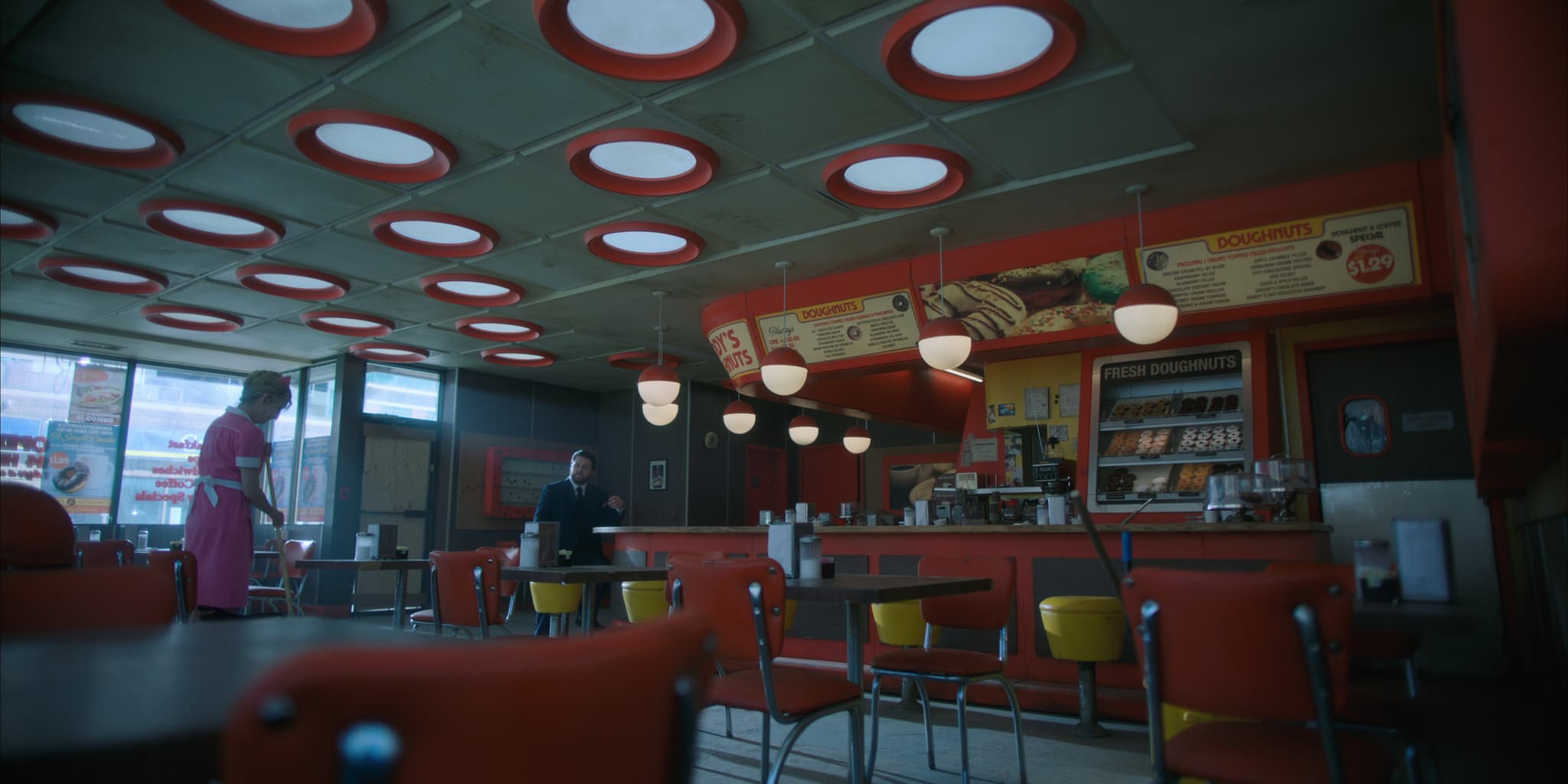
The production design fascinated me because it deliberately refuses to anchor the story in a specific time period. I noticed the complete absence of cell phones and the presence of 1950s technology mixed with modern clothing. This creates a unique narrative structure where the characters feel unstuck in time. I observed hidden details in the background of the Hargreeves mansion that hint at decades of suppressed history. The clutter of the house serves as symbolism for the emotional baggage they carry. It creates a texture that is rich and lived-in rather than the sterile environments we often see in genre television.
Musicality in Visual Storytelling
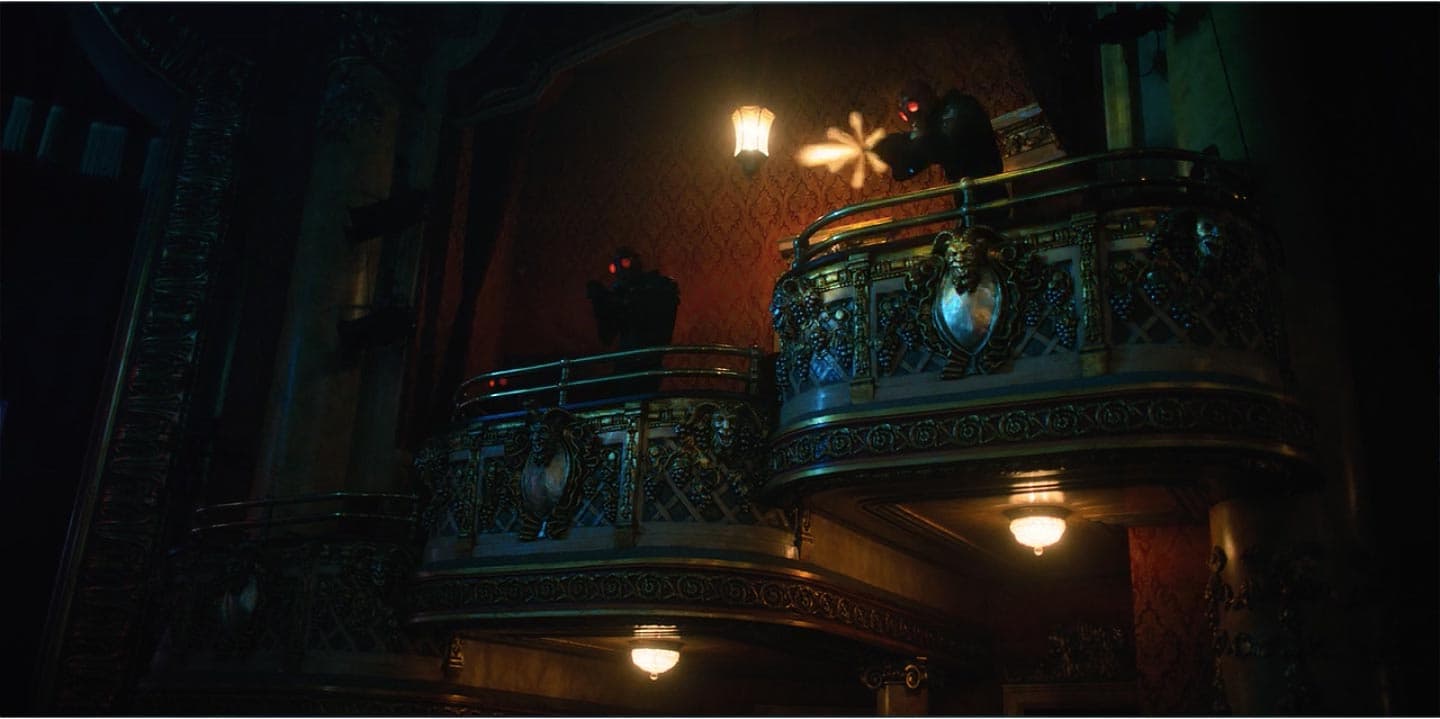
A critical review of the editing reveals that the show treats action sequences like dance numbers. I was particularly impressed by the "I Think We're Alone Now" sequence in the pilot. The visual storytelling here relies on rhythmic editing that matches the beat of the music to the movements of the characters in separate rooms. This plot analysis through movement shows us their shared heritage and their individual loneliness simultaneously. The camera tracks through walls and connects these isolated spaces in a way that dialogue never could. It is a brilliant example of how sound and image can work together to build a world.
The Flickle Visual Score
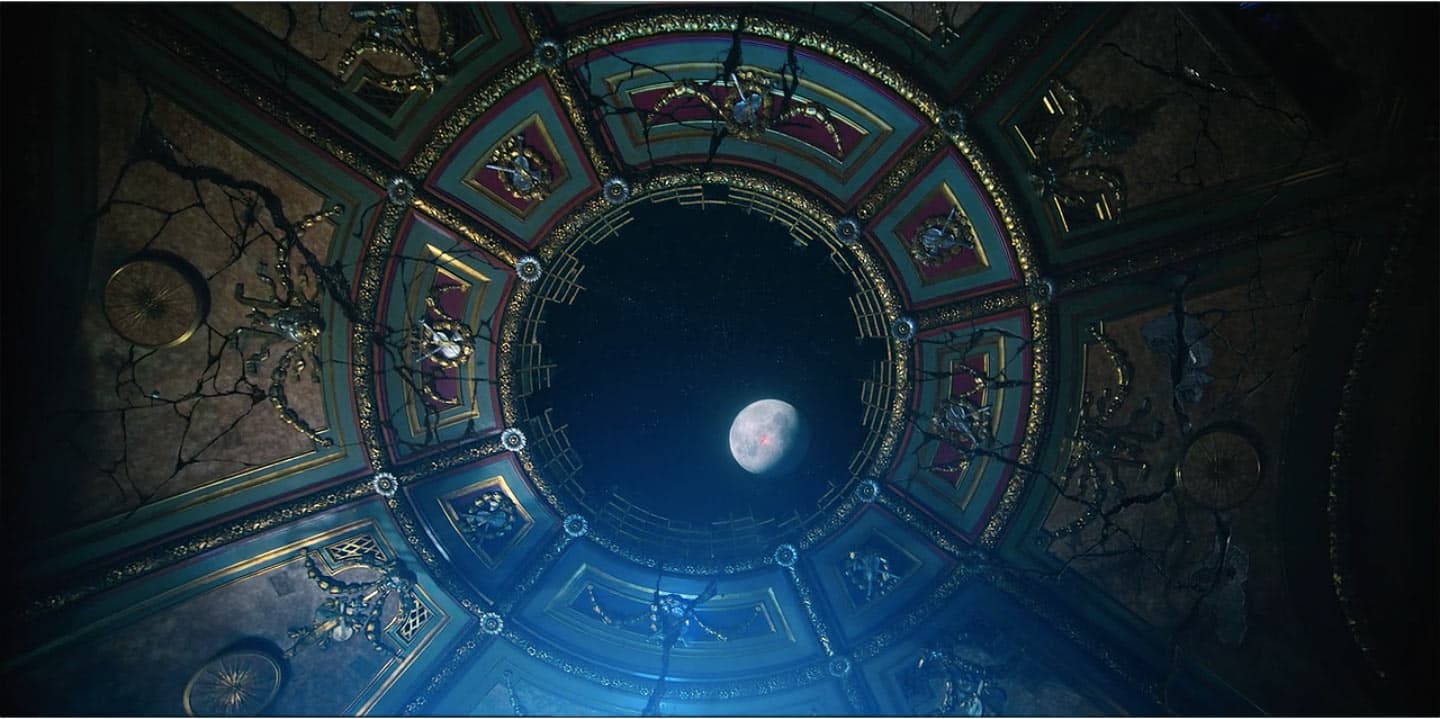
9.1/10 – I am awarding this score for the bold use of rectilinear lenses and symmetrical composition that creates a distinct graphic novel aesthetic while visually reinforcing the themes of emotional isolation.
If you think you have the eye to spot these stylistic references then test your skills in our daily tv show guessing game at https://www.flickle.co
Mastered the Frame?
Test your visual memory and see if you can guess this movie in 6 frames.
Solve Today's Puzzle