A Clockwork Orange: A Symphony of Stylized Violence
If you are looking for a visceral challenge in our daily movie puzzle, Stanley Kubrick’s A Clockwork Orange is an unforgettable entry. As a visually distinct framed alternative to standard cinema, it forces the viewer to confront the disturbing intersection of high art and primal brutality, making it a masterpiece of dystopian vision.
The Plot: The Ludovico Experiment
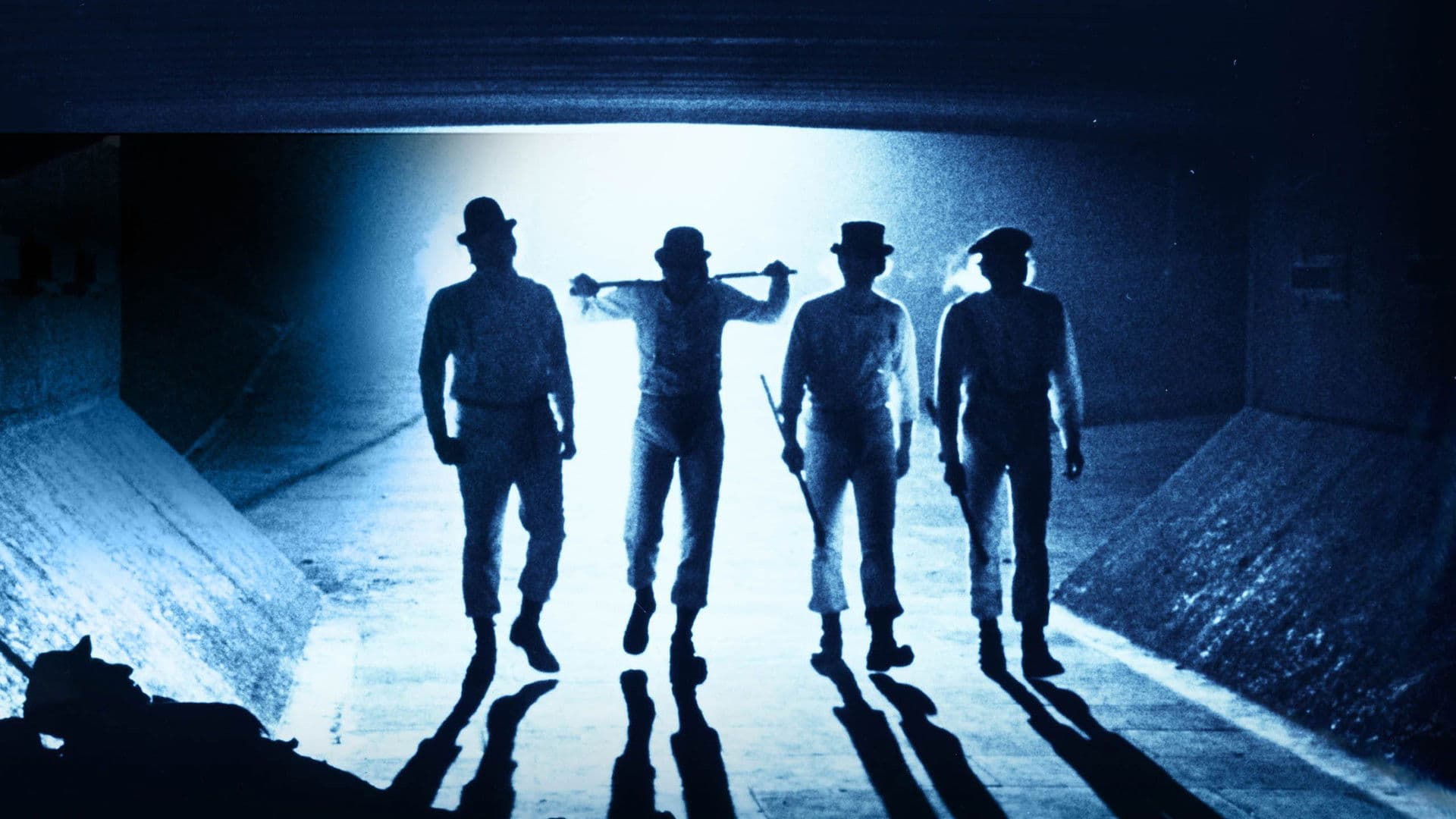
Set in a dystopian near-future Britain, the film follows Alex DeLarge (Malcolm McDowell), a charismatic sociopath who leads his gang of "droogs" on nightly sprees of "ultra-violence." After being incarcerated for murder, Alex volunteers for the controversial Ludovico technique—a behavioral modification therapy designed to "cure" him of his violent impulses. The treatment succeeds in stripping him of his free will, rendering him physically sick at the mere thought of aggression or his beloved Beethoven, turning a predator into a victim of the state.
The Pop Art Nightmare
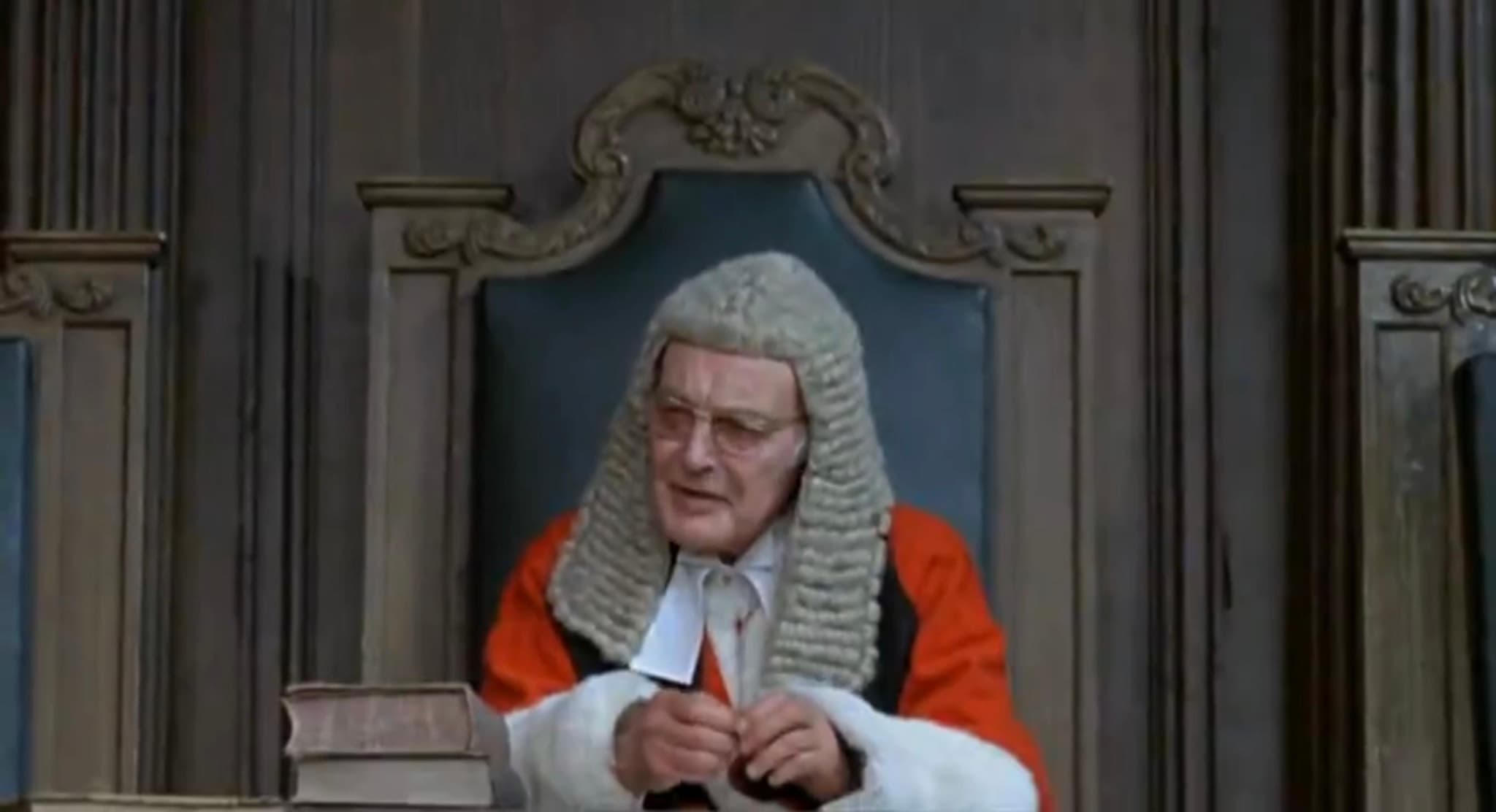
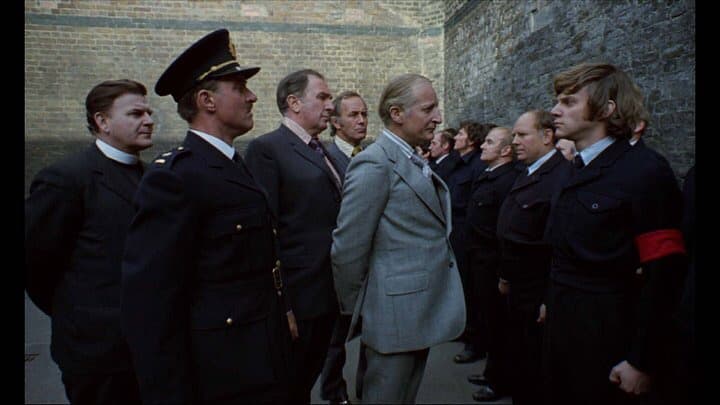
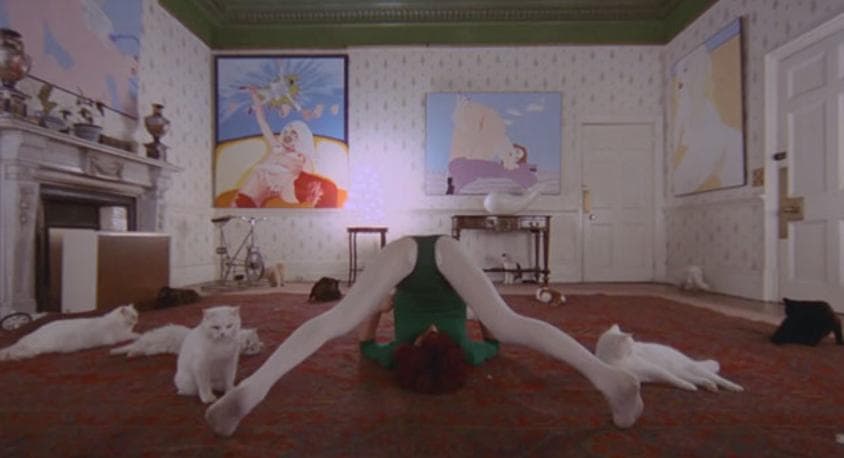
Kubrick constructs a world that looks like a modern art gallery gone wrong. The production design is heavily influenced by the Pop Art movement of the late 60s and 70s, utilizing erotic sculptures (like the famous Korova Milk Bar tables) and stark, futuristic furniture to create an environment that is simultaneously seductive and repulsive. The use of bright, primary colors against clinical whites creates a visual dissonance, suggesting that in this future, violence has become just another consumable aesthetic commodity.
The Distorted Gaze
The cinematography is famously aggressive. Kubrick and cinematographer John Alcott utilize extreme wide-angle lenses (specifically the 9.8mm Kinoptik Tegea) to distort the edges of the frame. This technique elongates the corridors and warps the faces of the characters, visually trapping the audience in Alex’s twisted perspective. The famous opening shot—a slow reverse zoom from Alex’s unblinking stare—immediately establishes a confrontational relationship between the protagonist and the viewer, breaking the safety of the fourth wall without a word being spoken.
Choreographed Chaos
Violence in A Clockwork Orange is rarely chaotic; it is terrifyingly rhythmic. The brutality is choreographed like a ballet, most notably in the home invasion scene set to "Singin' in the Rain." By juxtaposing heinous acts with joyous music and precise camera movements, Kubrick creates a cognitive dissonance that prevents the audience from looking away. The editing matches the tempo of the classical score, reinforcing the film’s central thesis: that civilization’s veneer of culture (Beethoven) is dangerously thin atop our primal instincts.
For those attempting to guess the movie from picture clues, A Clockwork Orange offers images that are burned into cinematic history. It is a masterpiece that remains a controversial staple of any movie guessing game, proving that cinema can be as dangerous as it is beautiful.
Mastered the Frame?
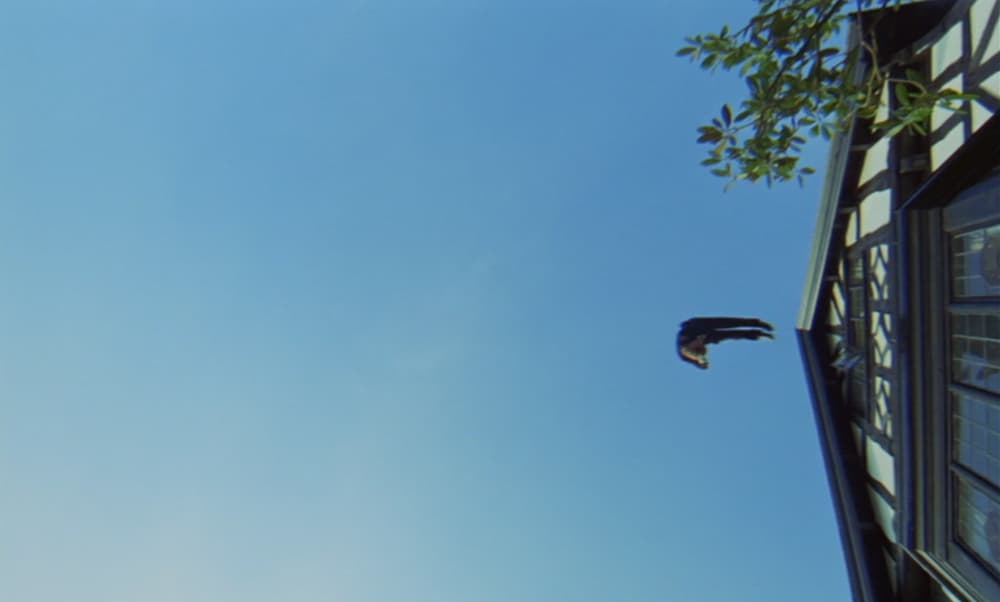
Test your visual memory and see if you can guess this movie in 6 frames.
Solve Today's Puzzle