Se7en: The Anatomy of a Rain-Drenched Purgatory
If the gloomy atmosphere of today’s daily movie puzzle felt suffocating, you have undoubtedly stepped into the world of Se7en. David Fincher’s 1995 masterpiece is more than a crime thriller; it is a visual endurance test. For enthusiasts of the framed alternative genre, the film offers a masterclass in texture and tone, presenting a city that is not just a backdrop, but a decaying organism actively hostile to its inhabitants.
The Plot: A Sermon in Blood
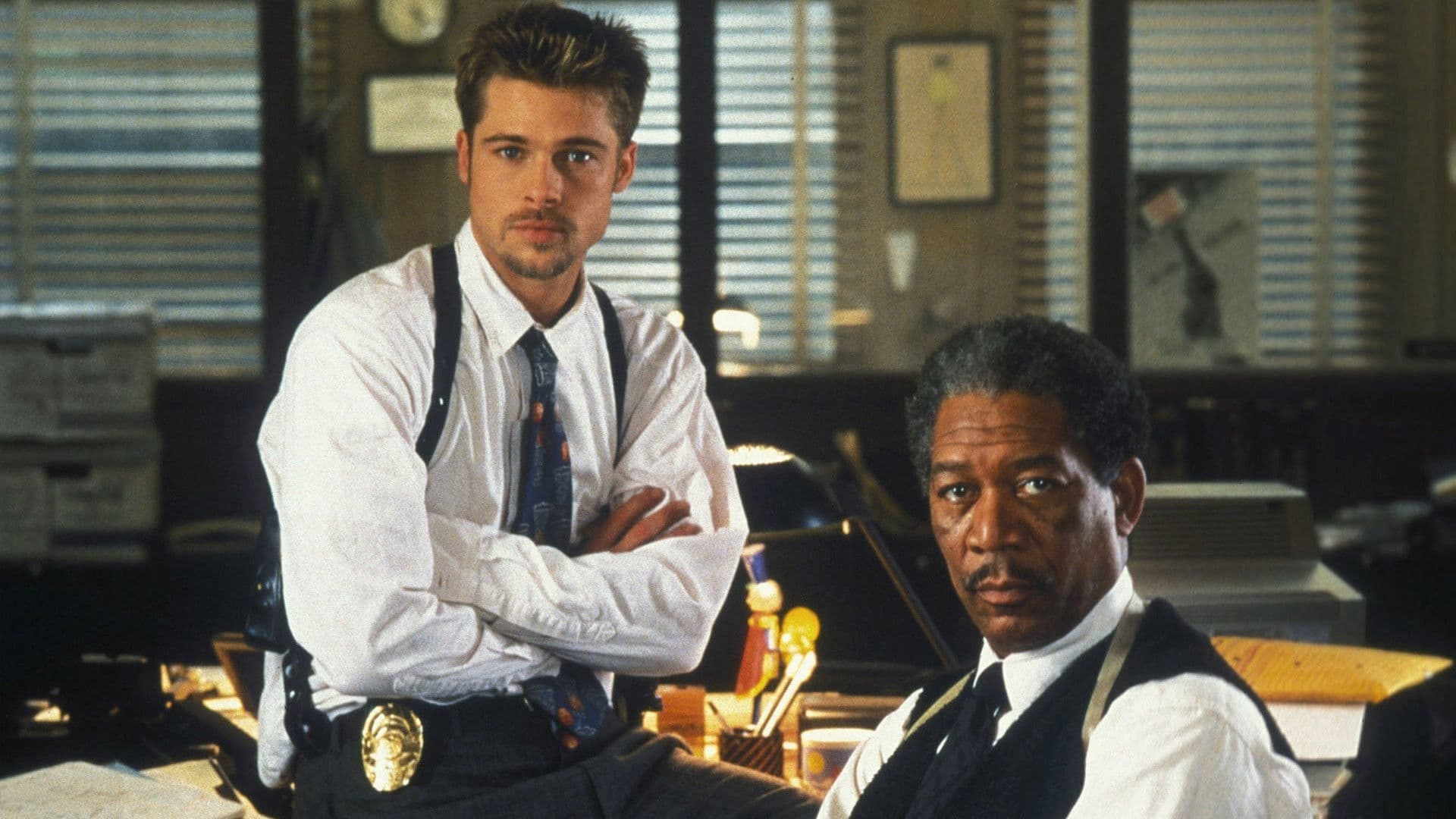
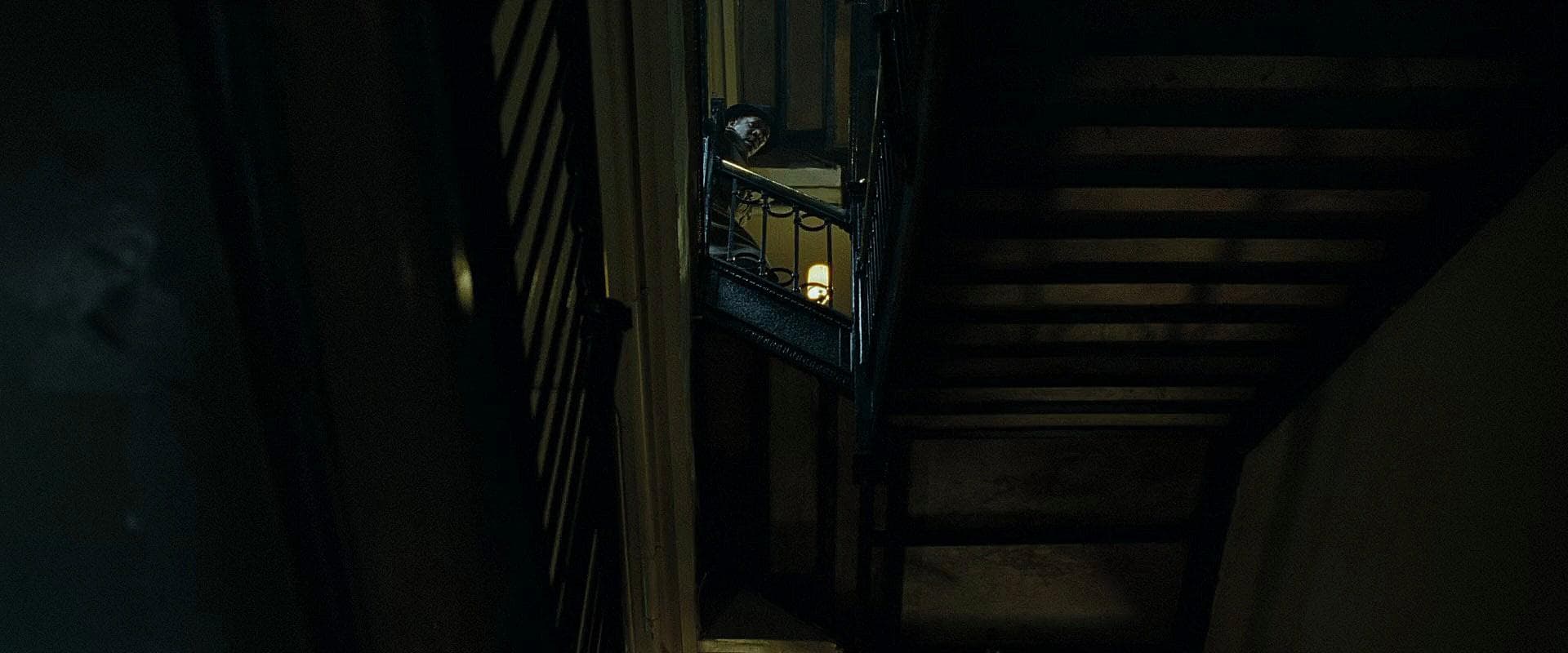
In an unnamed, rain-slicked city teeming with urban blight, two homicide detectives form an uneasy partnership. William Somerset (Morgan Freeman), a weary veteran on the brink of retirement, and David Mills (Brad Pitt), an impulsive transfer with a naive belief in heroism, are thrust into a hunt for a serial killer known only as John Doe. Doe does not merely kill; he preaches, turning each crime scene into a grotesque tableau representing one of the Seven Deadly Sins. As the detectives descend deeper into Doe’s labyrinth, they realize they are not solving a murder case, but participating in a horrific moral lesson.
The Architecture of Decay
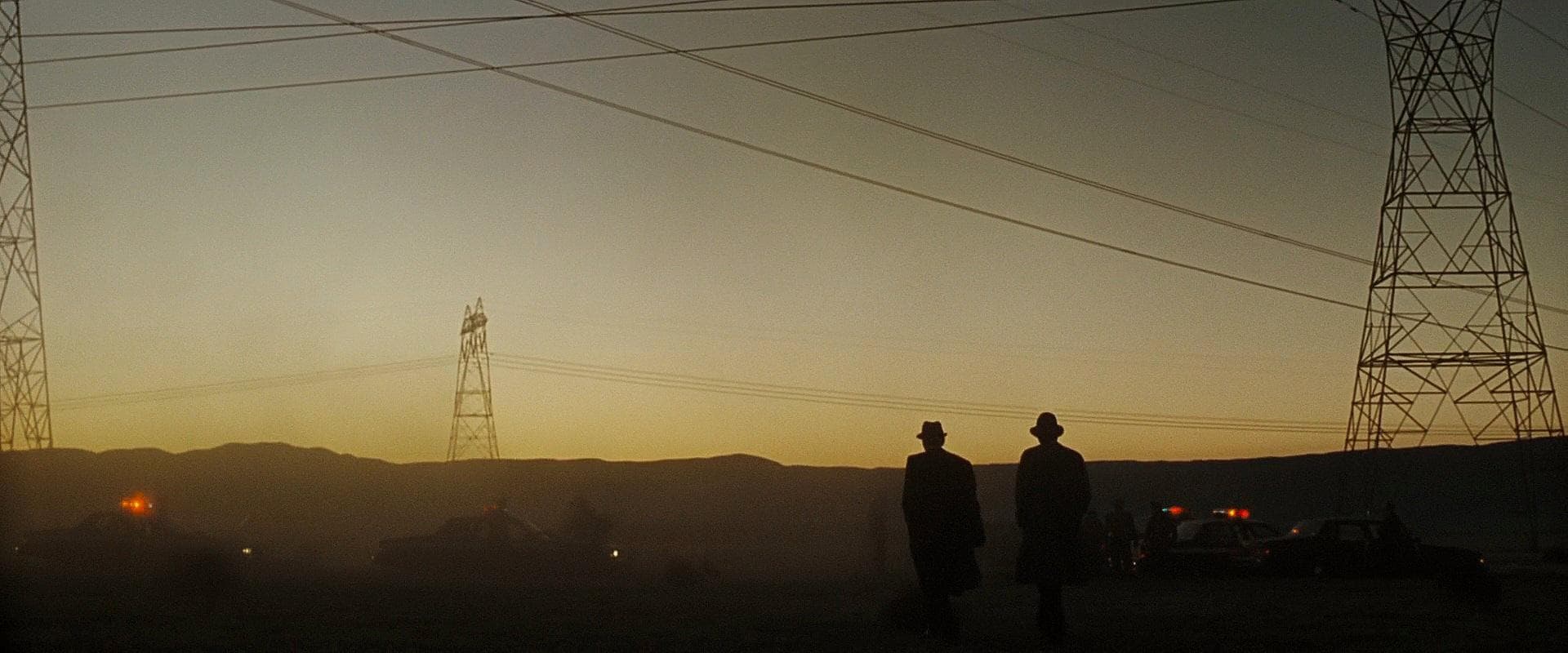
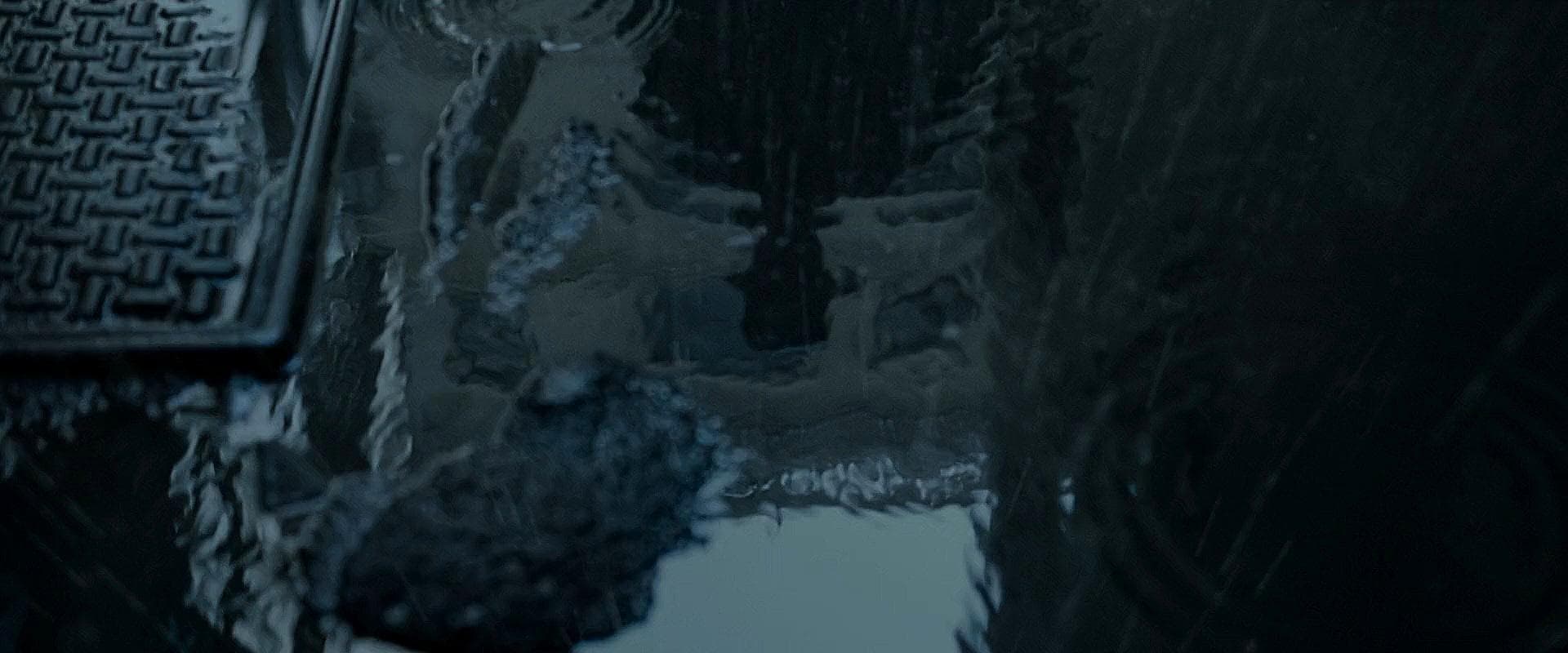
Production designer Arthur Max and Fincher created a world that feels physically tactile and repulsive. The city is never named, allowing it to function as a universal representation of urban purgatory. Every surface in the film appears to be rotting; paint peels from the walls like dead skin, books are damp, and the relentless rain turns the streets into rivers of filth. This "texture of decay" is meticulous—from the grease-stained walls of the police station to the moldering intricate chaos of John Doe’s apartment—visually reinforcing the narrative theme that the moral rot of society has manifested physically in the environment.
Silver Retention and the Abyss
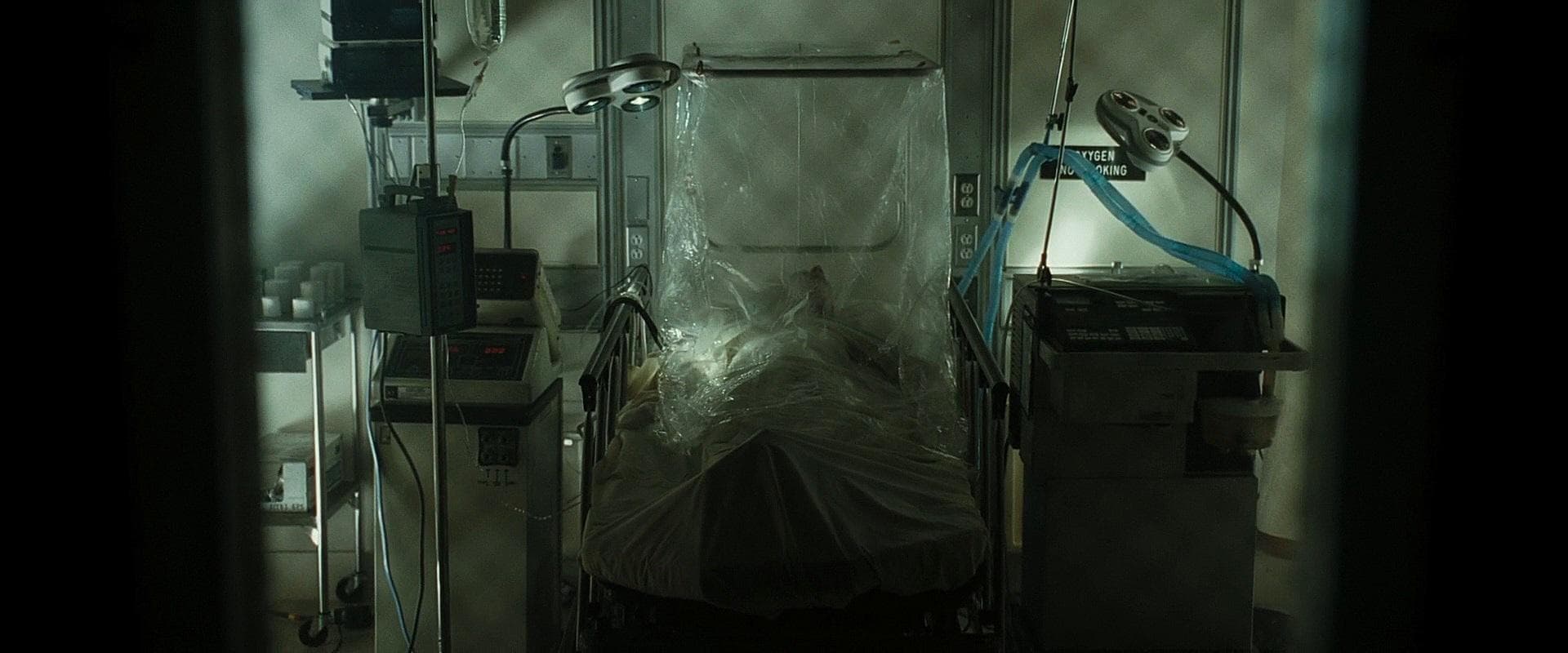
Cinematographer Darius Khondji utilized a chemical process known as "bleach bypass" (or silver retention) to achieve the film’s distinctive look. By skipping the bleaching stage in developing the film stock, silver was left in the emulsion, resulting in crushed, inky blacks and desaturated colors that seem drained of life. The lighting is often motivated by practical sources—flashlights cutting through the gloom, murky desk lamps, or the harsh gray light of a rainy window. This technique creates high-contrast imagery where the darkness is not just an absence of light, but a consuming force that threatens to swallow the characters whole.
The Horror of the Unseen
Visually, Se7en is famous for what it chooses not to show. The violence of the murders is almost entirely off-screen; what the audience sees are the aftermaths—the forensic details, the police photos, and the terrified reactions of the detectives. This restraint forces the viewer to construct the horror in their own minds, making the experience significantly more disturbing. The camera often lingers on objects—a metronome, a library card, thousands of composition notebooks filled with insanity—imbuing inanimate objects with a sense of dread and history.
For those attempting to guess the movie from picture clues, Se7en remains a definitive challenge. Its grim aesthetic is instantly recognizable, setting a high bar for any movie guessing game and proving that sometimes, the most terrifying monsters are the ones we create ourselves.
Mastered the Frame?
Test your visual memory and see if you can guess this movie in 6 frames.
Solve Today's Puzzle