Andor: The Geometry of Oppression
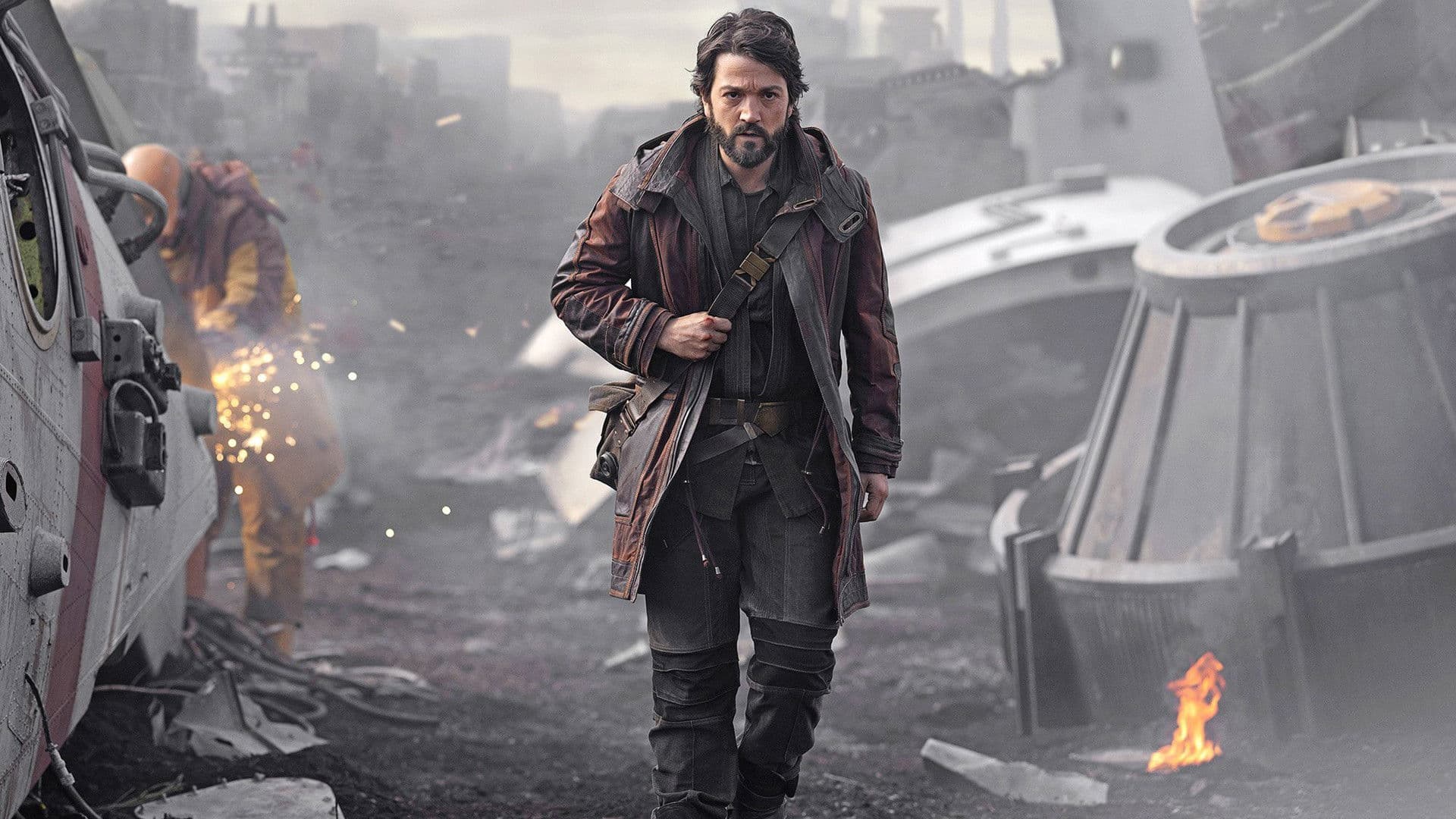
If you found yourself hesitating over today’s daily tv guessing game, it is likely because Andor sheds the glossy, space-opera aesthetic of its franchise for something far more tactile and gritty. It serves as a sophisticated puzzle for the framed alternative player, presenting a galaxy that looks less like a fantasy and more like a Cold War thriller. It is a show where the visual language is defined not by lightsabers, but by the oppressive weight of concrete and bureaucracy.
The Plot: The Spark of Rebellion
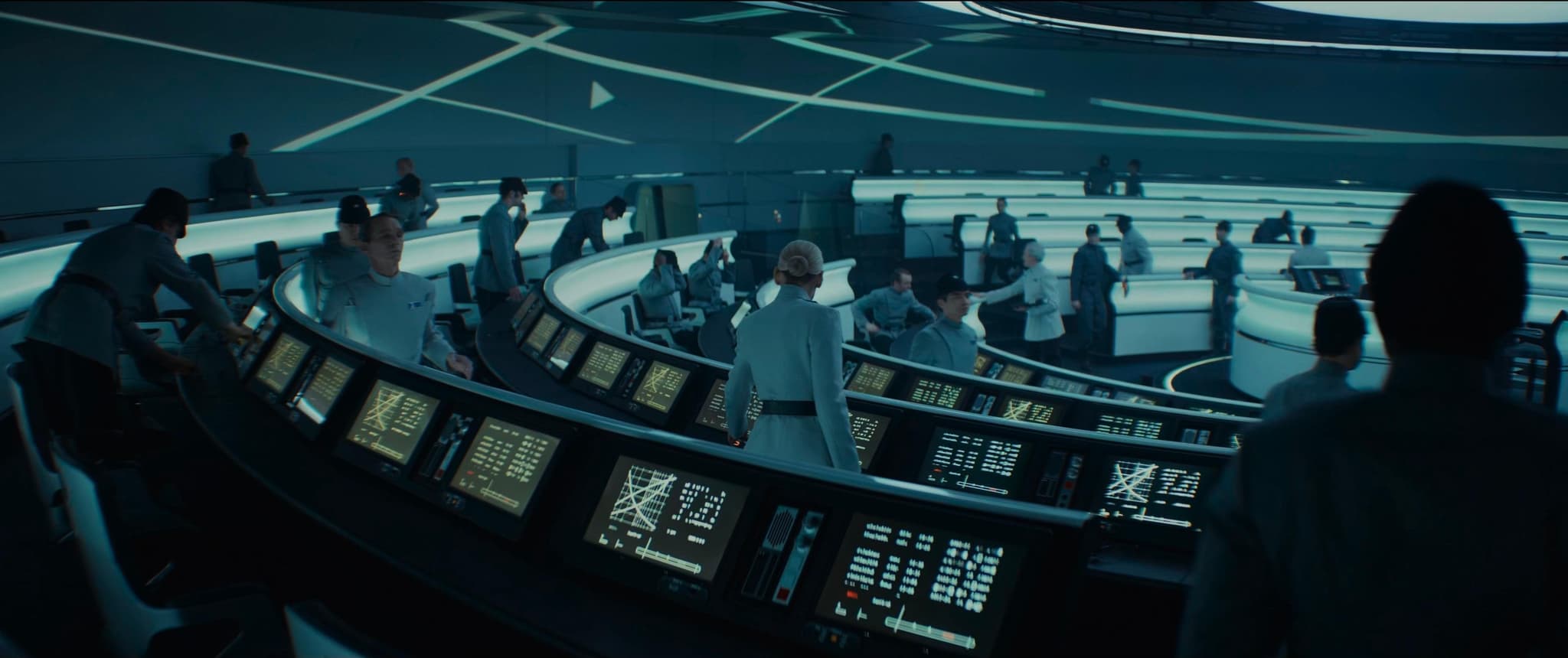
Set five years before the events of Rogue One, the series charts the transformation of Cassian Andor (Diego Luna) from a cynical thief into a revolutionary leader. However, the narrative scope is vast, juxtaposing Cassian’s journey with the high-stakes political maneuvering of Mon Mothma in the Senate and the terrifyingly efficient rise of the Imperial Security Bureau (ISB). It is a story about the slow, agonizing cost of freedom, exploring how a rebellion is built not just on hope, but on sacrifice, dirty money, and moral compromise.
The Brutalism of Empire
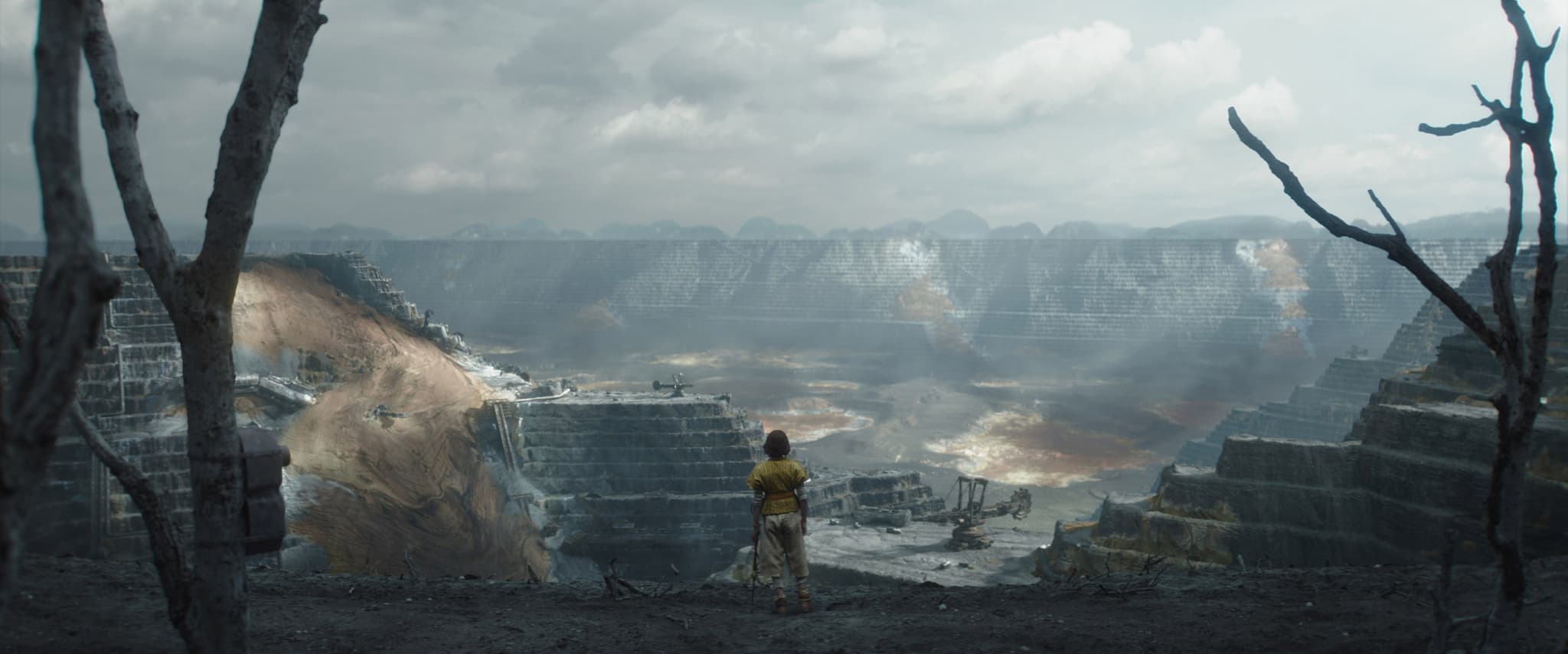
Unlike other entries in the saga, Andor leans heavily into the architectural style of Brutalism to visualize the Empire’s power. The ISB headquarters on Coruscant is a masterpiece of oppressive design—cold, white stone, sharp angles, and vast, echoing spaces that dwarf the individuals within them. The cinematography emphasizes this scale, frequently framing characters as tiny specks against massive, monolithic structures. This visual choice strips the Empire of its cartoonish villainy and replaces it with a terrifying, sterile banality; evil here looks like a well-organized office building.
A World Without "The Volume"
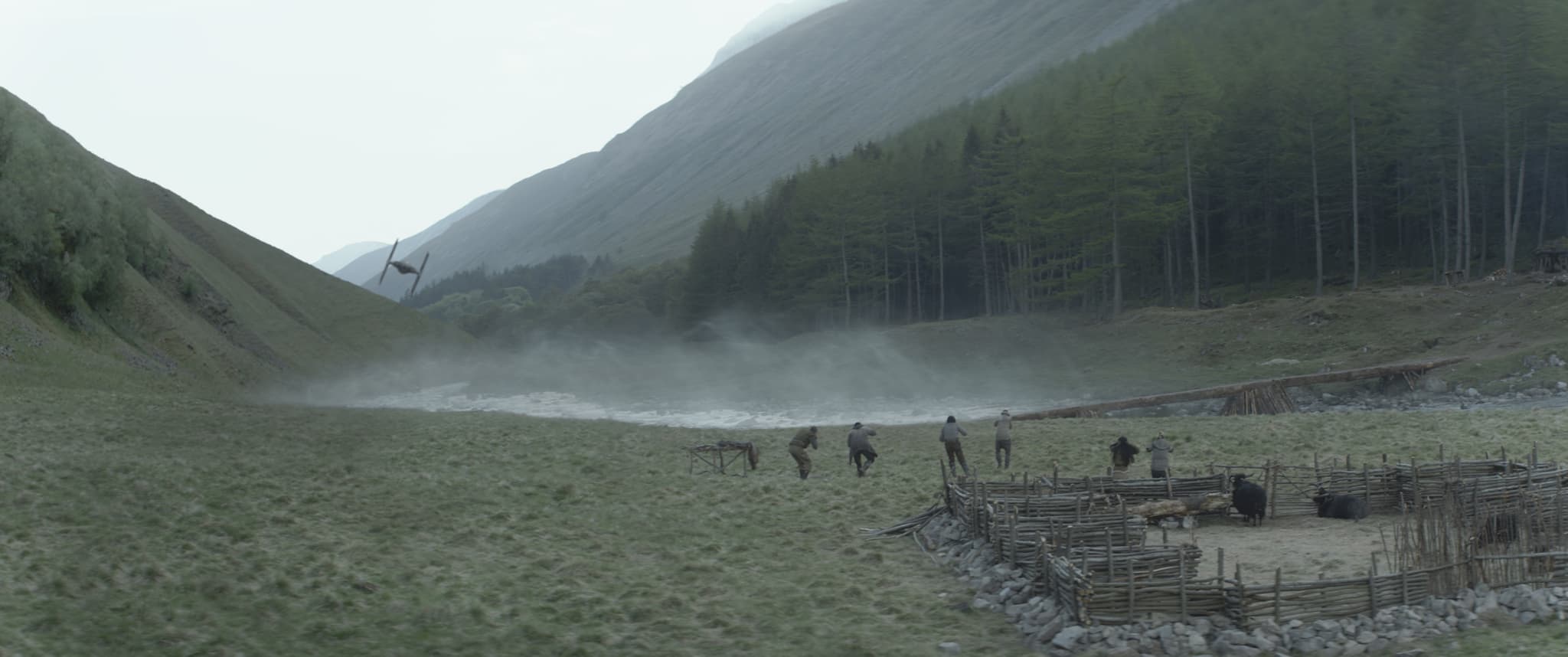
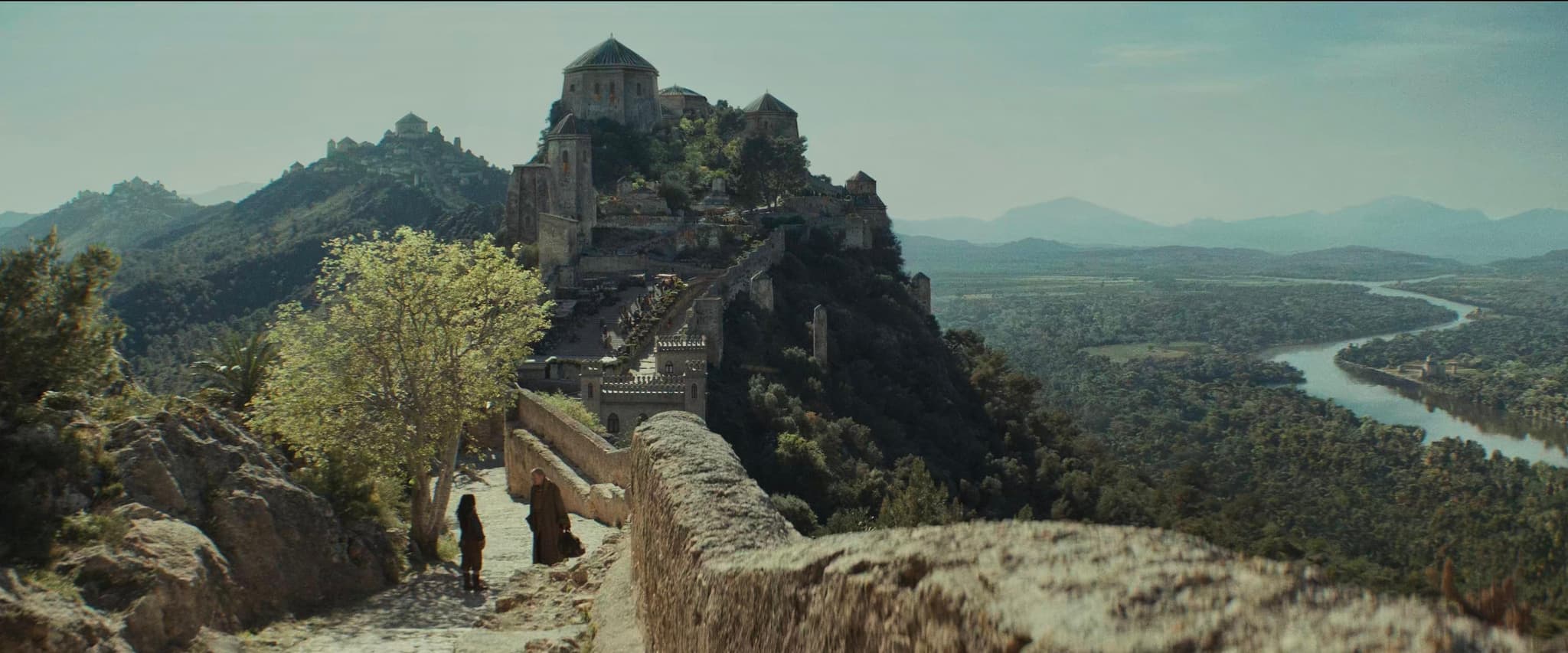
One of the show’s most distinct visual markers is its commitment to on-location shooting and massive practical sets, largely eschewing the digital "Volume" technology used in similar series. The result is a texture that feels undeniably real. When characters are on the rainy, industrial planet of Ferrix, the mud feels heavy, the brick walls look weathered, and the light behaves naturally. This reliance on tangible environments grounds the sci-fi elements in a grimy reality, making the stakes feel physical and immediate rather than digitally constructed.
The Terror of Sanitation
Perhaps the most striking visual sequence occurs in the Narkina 5 prison arc. Here, the show trades grit for a horrifying cleanliness. The set design is entirely white, sterile, and symmetrical, functioning as a visual representation of the Empire’s desire for absolute order. The prisoners move in synchronized loops on electrified floors, their humanity stripped away by the sheer perfection of the environment. The cinematography mirrors this mechanical precision, using static, geometric framing to convey a sense of entrapment that is far more frightening than any dark dungeon.
For those attempting to guess tv series from picture clues, Andor offers a rich, cinematic palette that stands apart from its peers. It is a standout entry in any tv show guessing game, proving that sometimes the most compelling sci-fi is the kind that feels uncomfortably close to our own history.
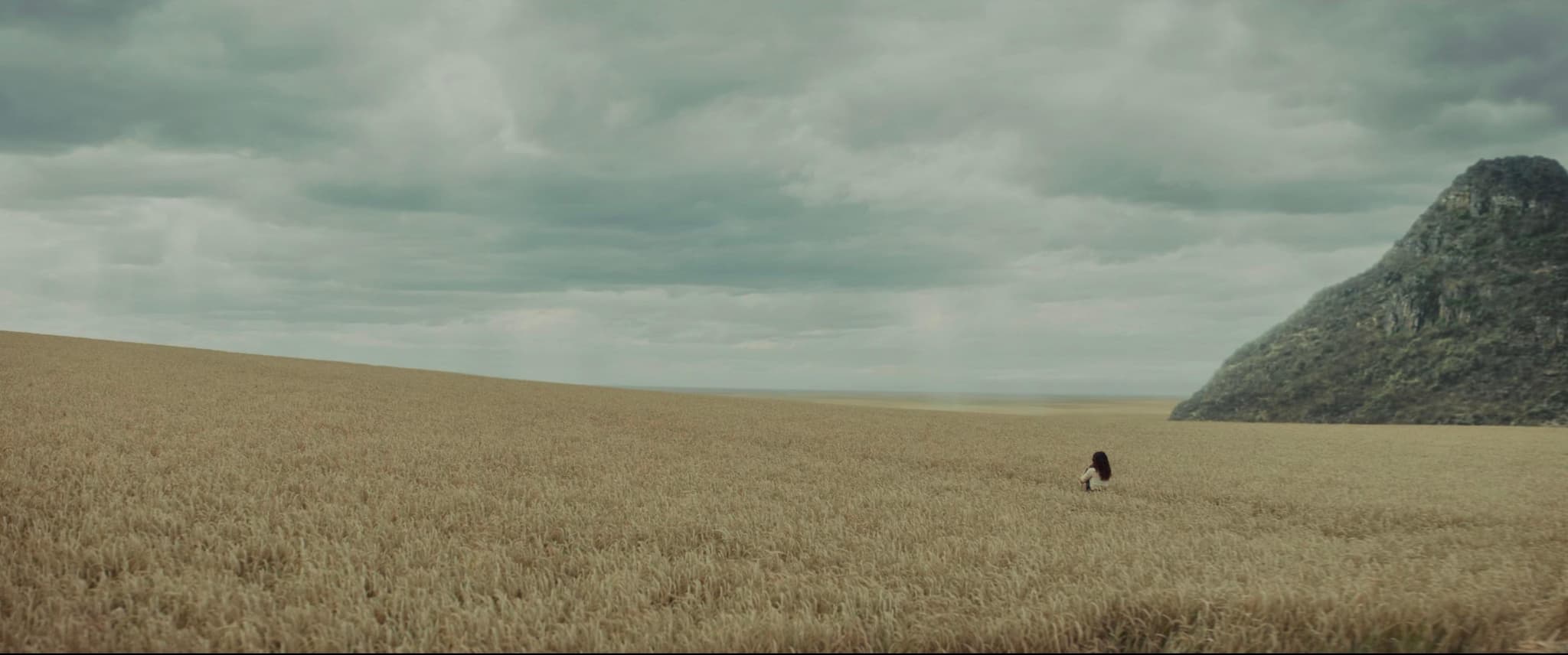
Mastered the Frame?
Test your visual memory and see if you can guess this movie in 6 frames.
Solve Today's Puzzle