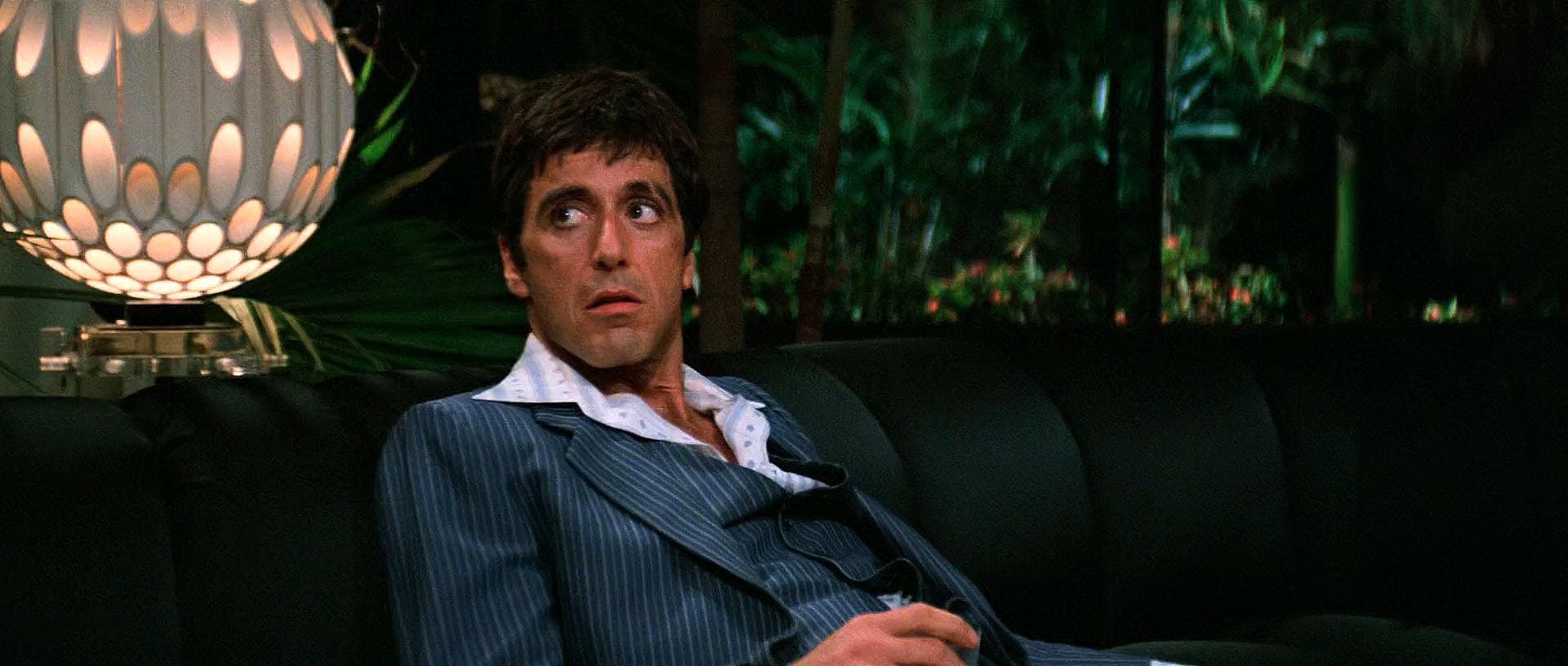
The Matrix: Waking Up from the Digital Dream
The Matrix is not merely a science fiction film; it is a watershed moment in visual storytelling that redefined the boundaries of the genre. By blending cyberpunk aesthetics with deep philosophical inquiry, directors Lana and Lilly Wachowski created a narrative structure that challenges the audience to question the very nature of reality. It stands as a timeless piece of cinema where high-concept action meets intellectual depth.
Plot Analysis: The Desert of the Real
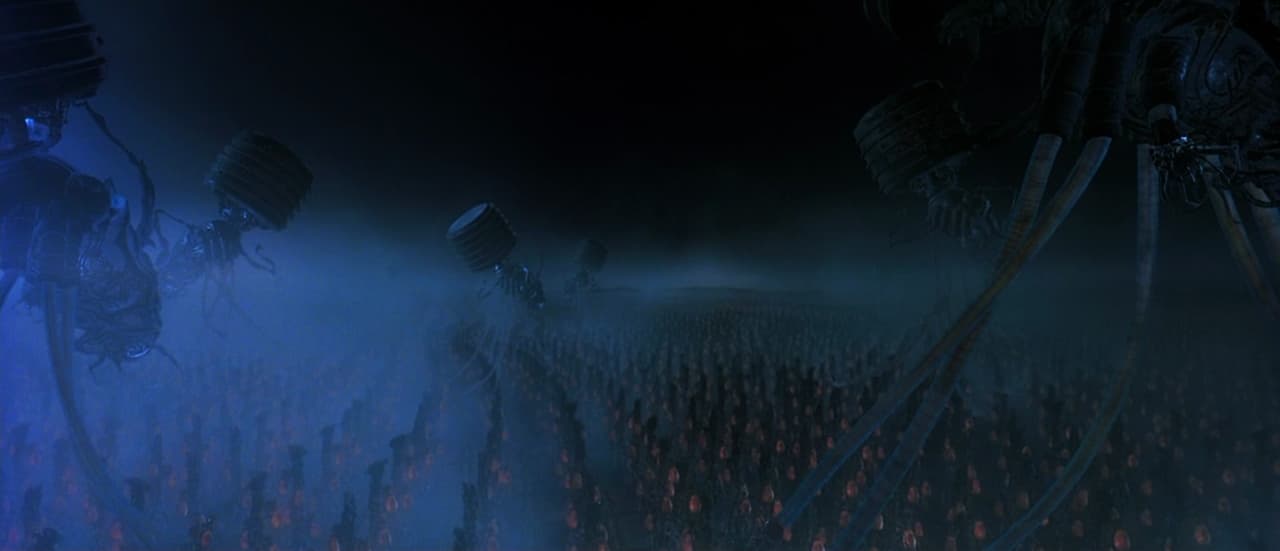
At the heart of the film is a compelling character study of Thomas Anderson (Keanu Reeves), a software engineer by day and a hacker named Neo by night. His journey begins with a feeling of displacement and a sense that the world around him is wrong. This culminates in the iconic choice offered by Morpheus: the blue pill to remain in blissful ignorance, or the red pill to embrace the painful truth. This plot analysis reveals a classic hero's journey recontextualized for the digital age, where the protagonist must wake up from a simulation to lead a rebellion against the very machines that enslave humanity.
Production Design and The Tint of Reality
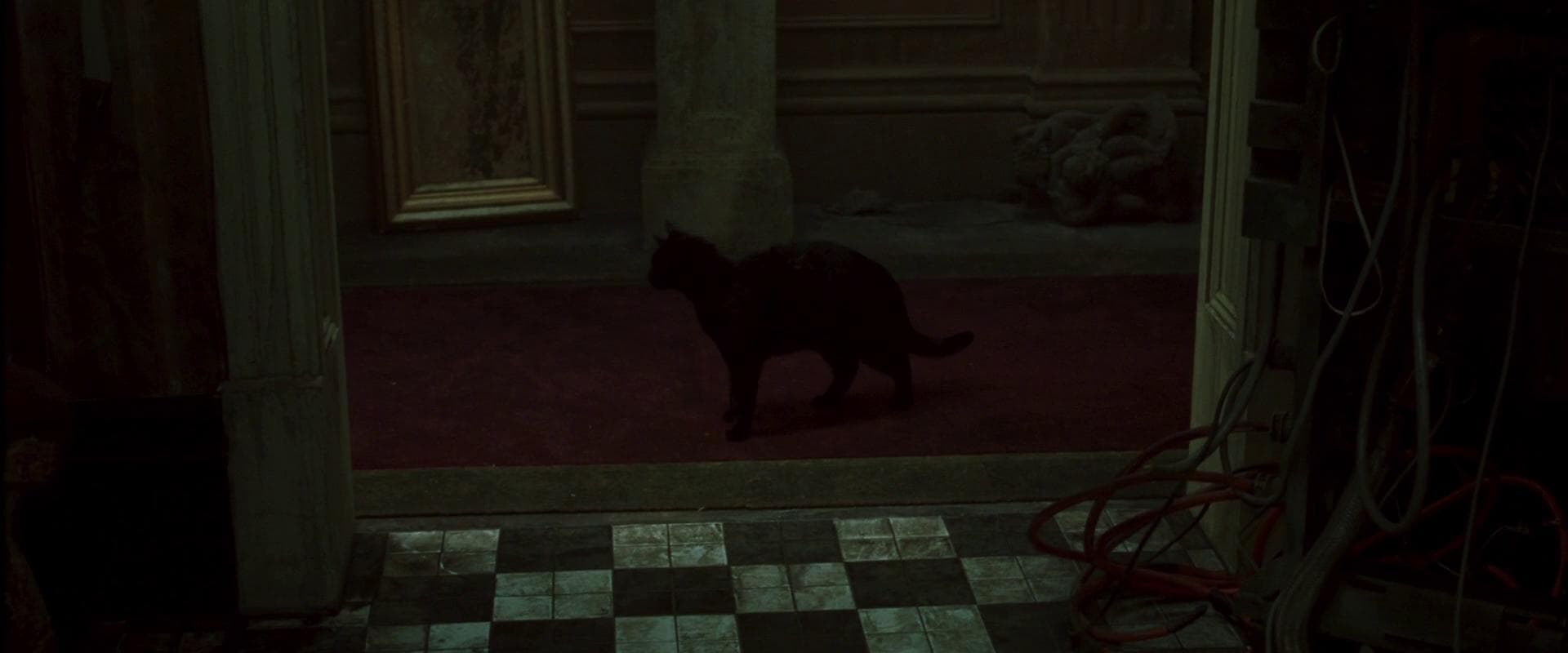
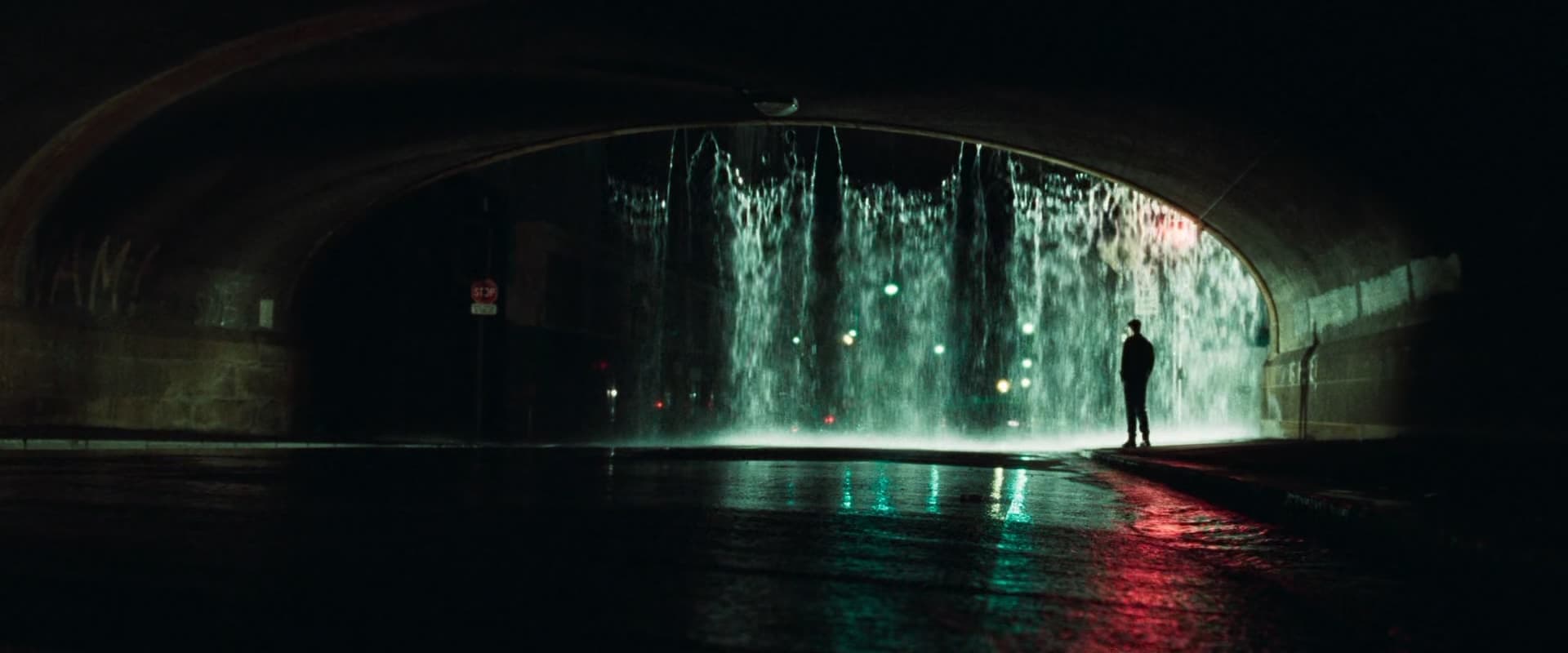
The film’s visual aesthetics are rigorously controlled through its innovative production design. The directors, alongside cinematographer Bill Pope, utilized a distinct color palette to differentiate the two worlds. The scenes inside the Matrix are washed in a sickly green hue intended to mimic the monochrome phosphor of early computer monitors. This cinematography choice creates a subconscious unease while signaling that the world is artificial. In contrast, the "real world" is bathed in cold blues and grays, emphasizing a harsh, industrial reality stripped of comfort but grounded in truth.
Cinematography: Sculpting Time
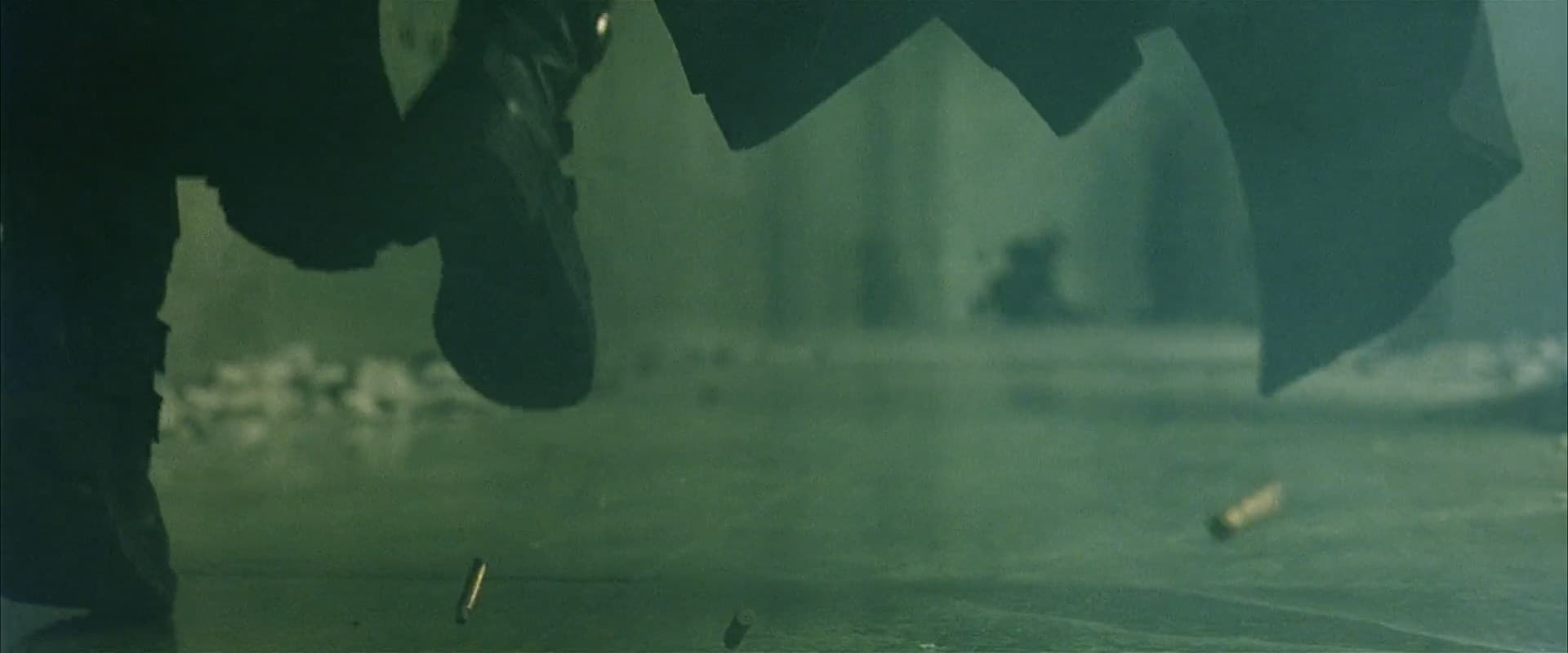
The Matrix introduced a new vocabulary to cinema, most notably with "Bullet Time." This technique allowed the camera to detach from the temporal flow of the scene and move around frozen characters to capture action from every angle. This was not just a spectacle; it was a crucial element of the film's symbolism, illustrating Neo’s transcending perception of time and space within the simulation. The camera work reinforces the idea that reality is code, and code can be manipulated.
Hidden Details and Critical Review
A closer look reveals numerous hidden details that enrich the viewing experience. Mirrors and reflective surfaces appear constantly in sunglasses, spoons, and skyscrapers, serving as visual metaphors for the duality of identity and the "residual self-image." In a critical review, these elements elevate the film from a standard action blockbuster to a dense, layered text. The visual storytelling ensures that every frame serves the central thesis: that the world we see is merely a facade pulled over our eyes.
If you think you know this world, test your knowledge in our daily movie puzzle game. https://www.flickle.co
Mastered the Frame?
Test your visual memory and see if you can guess this movie in 6 frames.
Solve Today's Puzzle