City of God: The Kinetic Pulse of the Favela
City of God is a tour de force that exploded onto the global stage and forever changed the landscape of international cinema. It is a masterpiece of visual storytelling that refuses to look away from the brutal reality of life in the slums of Rio de Janeiro. The film utilizes a circular narrative structure that disorients and captivates the viewer while proving that style and substance can coexist even in the grittiest of settings.
Plot Analysis: Two Paths in the Slums
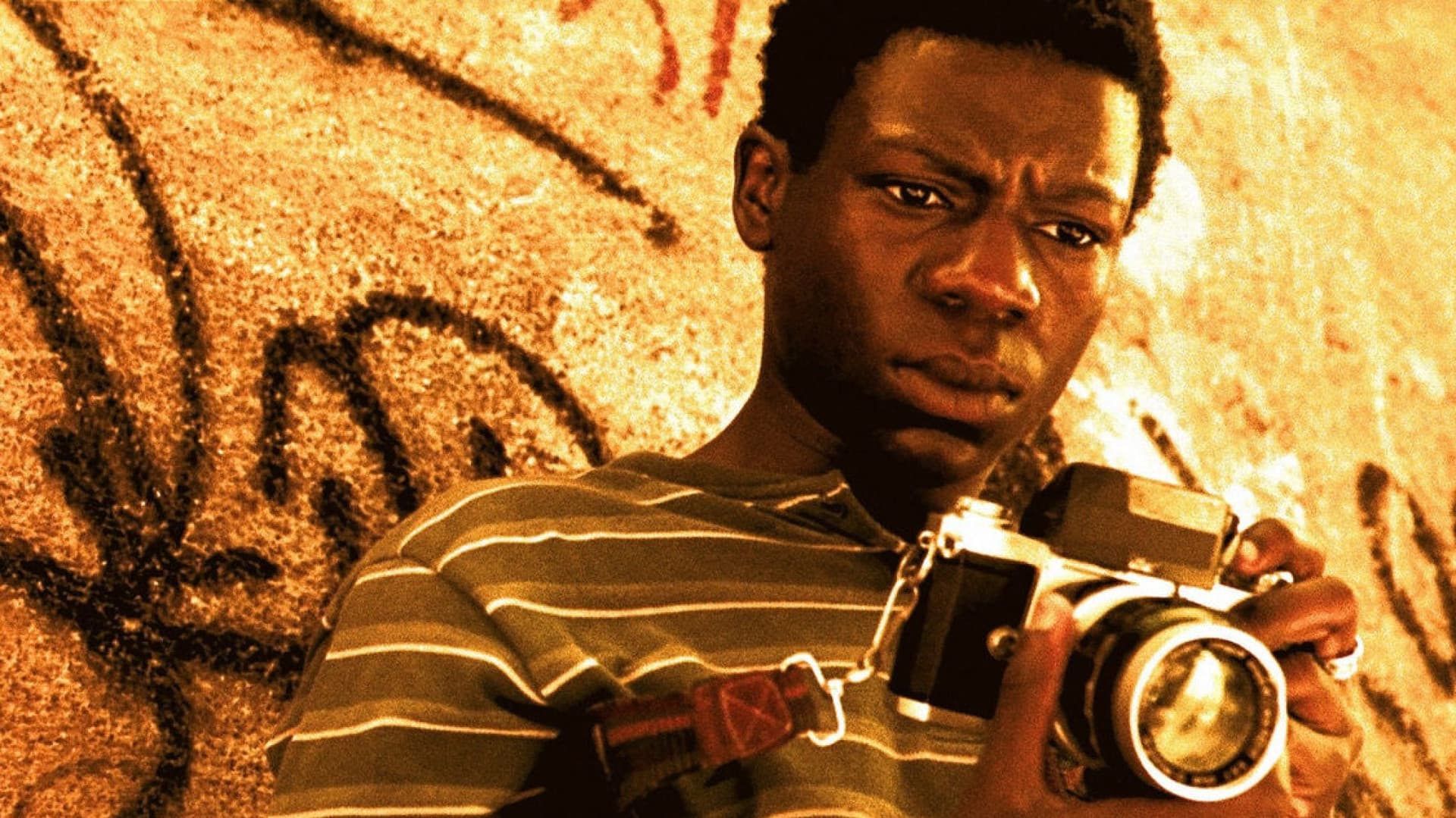
The film spans three decades and offers a dense plot analysis of the divergence between two young men growing up in the same volatile environment. Rocket is a budding photographer who seeks to document the world around him while Li'l Zé is a sociopathic gang leader who seeks to own it. This contrasting character study highlights the role of choice and circumstance. Rocket uses his camera as a shield and a passport to a better life but Li'l Zé is consumed by the very violence he perpetuates.
Cinematography: The Camera as a Participant
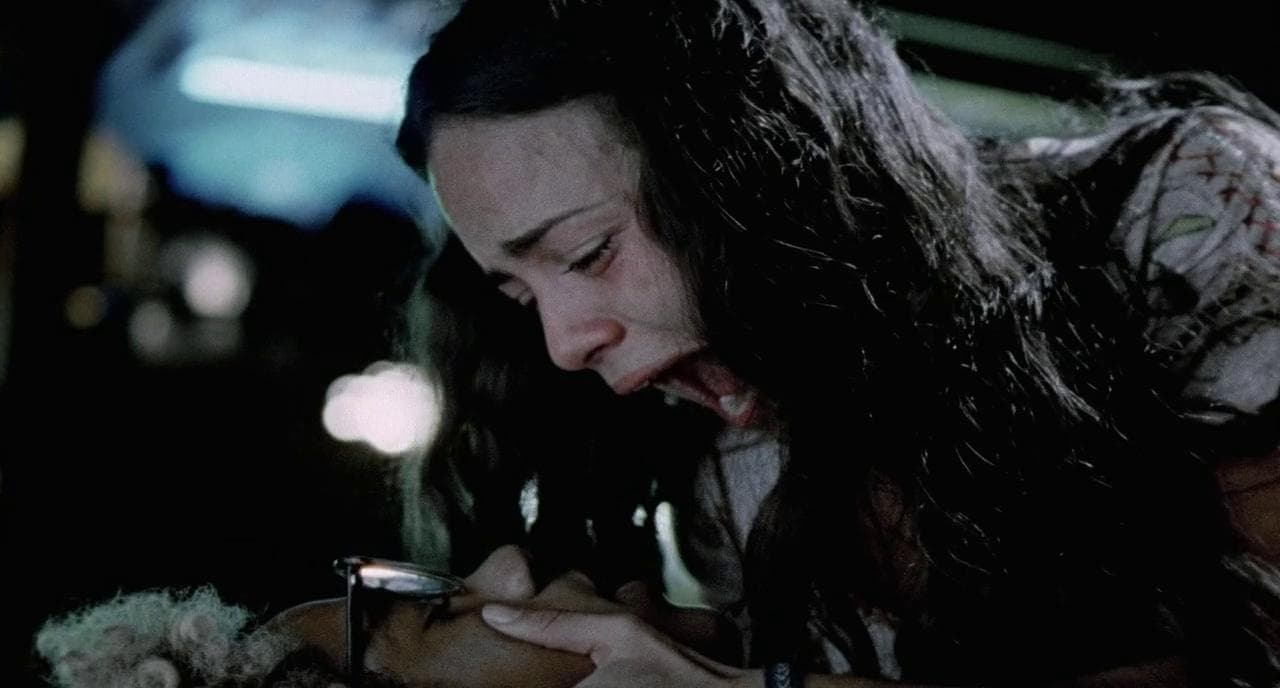
The cinematography by César Charlone is not merely observational; it is an active participant in the chaos. The camera shakes and runs alongside the characters to create a sense of frantic immersion that few films have ever matched. This approach defines the film's visual aesthetics as the lens captures the sweat and dust of the streets with a raw immediacy. The editing matches this frenetic pace and turns gunfights into rhythmic montages that are as terrifying as they are mesmerizing.
Production Design and The Evolution of Decay
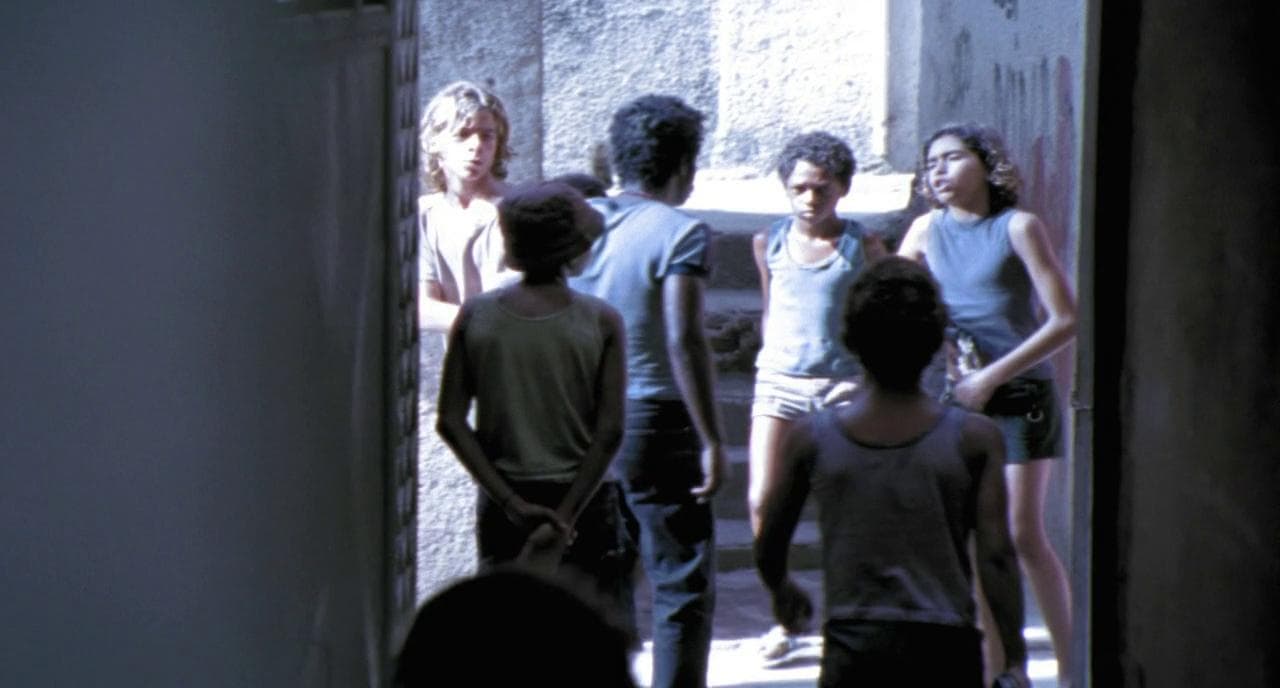
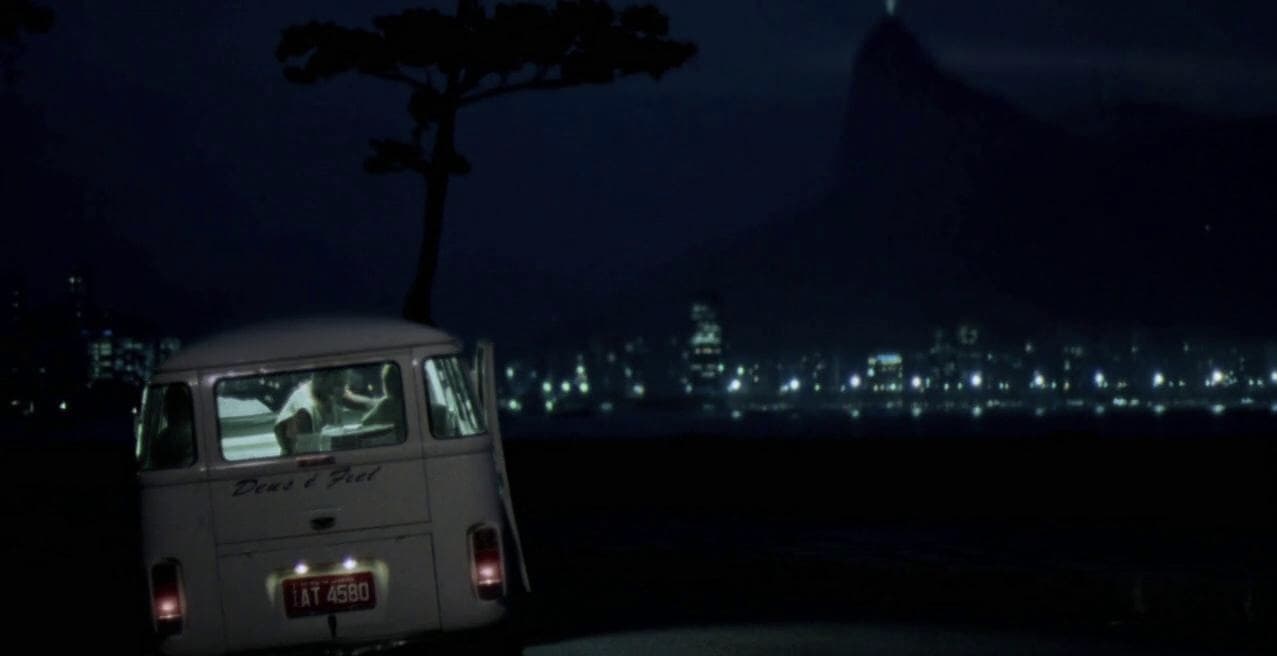
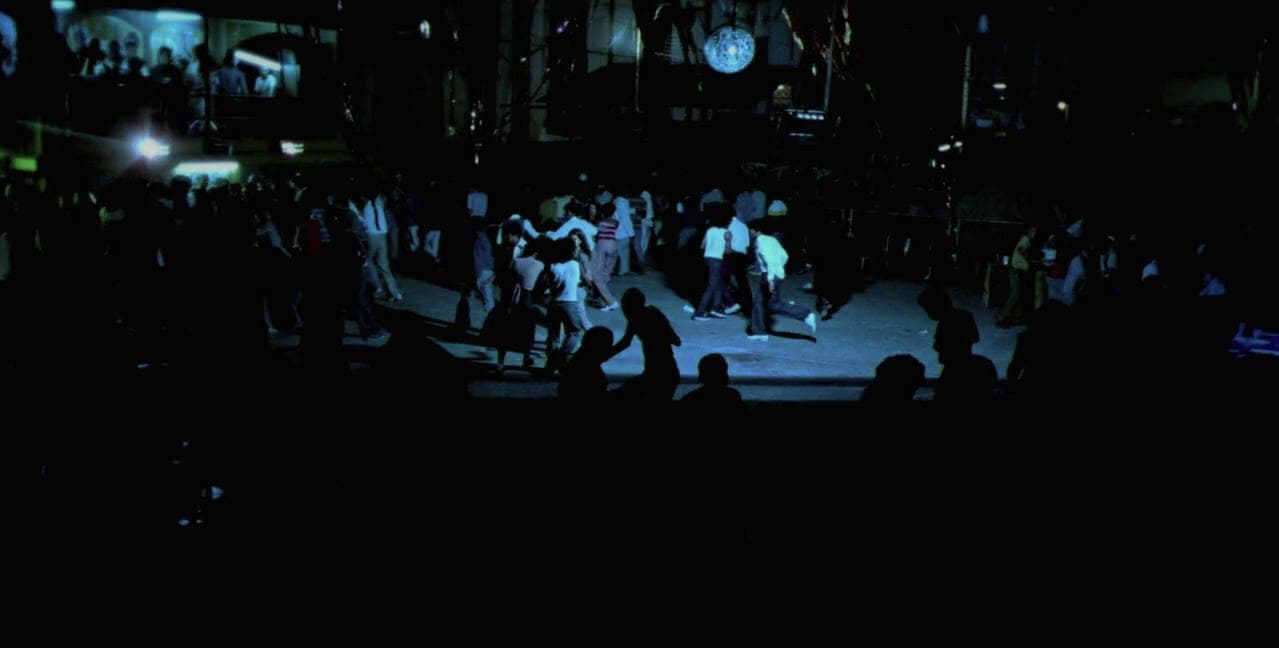
The production design meticulously tracks the transformation of the City of God housing project over time. The symbolism is embedded directly into the color palette of each era. The 1960s are bathed in golden hues and warm sunlight to represent a time of relative innocence and hope. As the timeline progresses into the 1970s and 80s the colors shift to cold blues and greys. This transition signals the arrival of harder drugs and the loss of the community's soul to endless warfare.
Hidden Details and Critical Review
A critical review of the film often points to its authenticity which is bolstered by the use of non-professional actors from actual favelas. These hidden details in the casting bring a layer of truth that Hollywood productions simply cannot replicate. The opening scene involving a chicken chase perfectly encapsulates the themes of entrapment and the desperate struggle for survival. It establishes a tone where humor and horror exist side by side in a precarious balance.
If you think you know this world, test your knowledge in our daily movie puzzle game. https://www.flickle.co

Mastered the Frame?
Test your visual memory and see if you can guess this movie in 6 frames.
Solve Today's Puzzle