The Revenant Analysis: Alejandro Gonzalez Inarritu and the Brutality of Nature
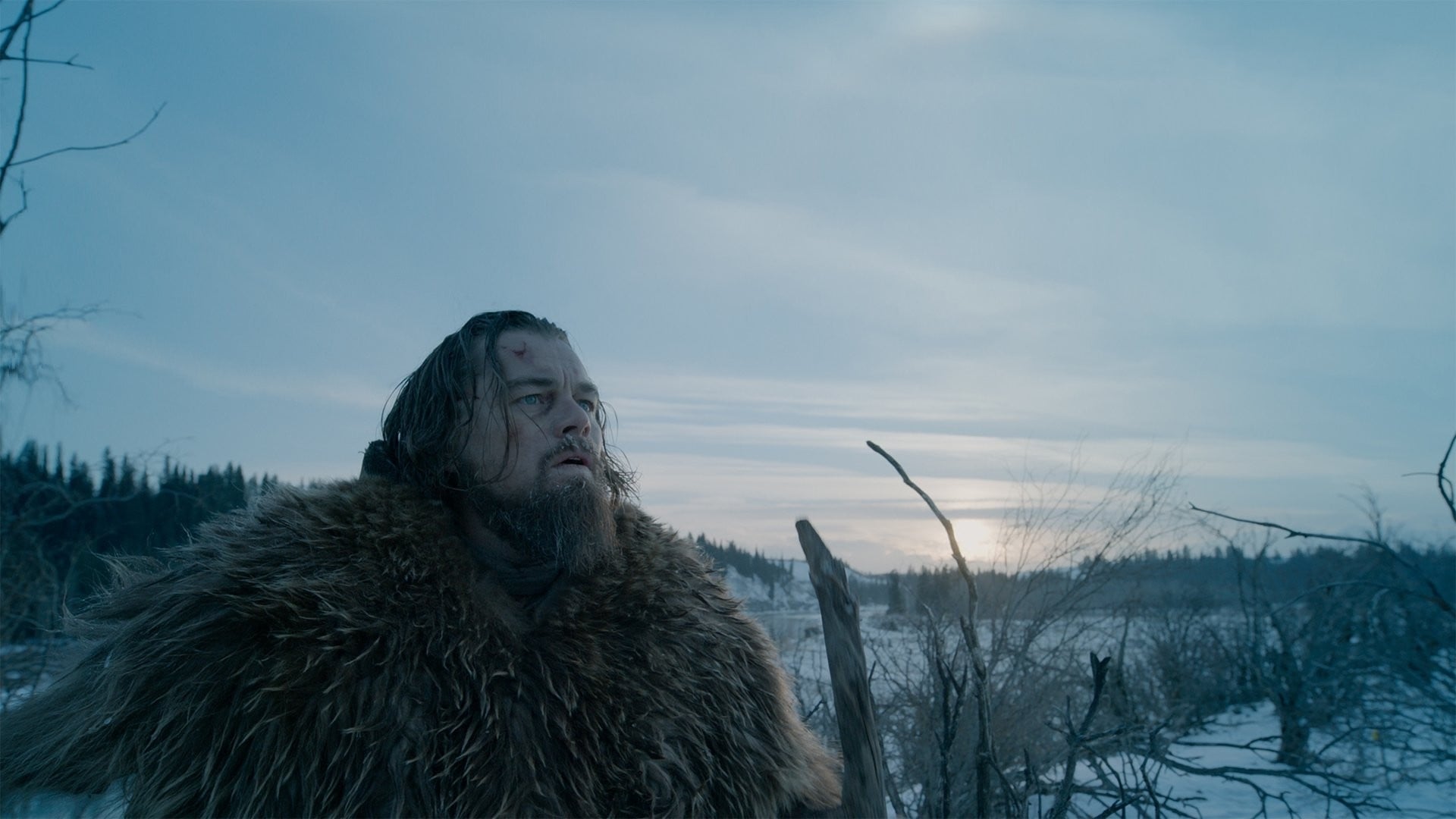
Director Alejandro Gonzalez Inarritu pushed his cast to the absolute limit back in 2015 to create a brutal story about survival and revenge. You watch Leonardo DiCaprio endure freezing rivers and a terrifying bear attack as the real life fur trapper Hugh Glass. We also get an incredible performance from Tom Hardy playing the selfish and ruthless John Fitzgerald, the man who leaves him behind to die in the wilderness. I constantly recommend this movie to my friends who want to experience the absolute harshest side of nature. The story drops you right into the snowy mountains of the 1820s American frontier. A closer look beneath the bloody injuries and freezing blizzards reveals a deeply spiritual story about letting go of hate. A structural analysis shows that every painful step Glass takes toward his enemy actually mirrors a journey toward his own spiritual rebirth.

The Visual Style and Cinematography of the American Frontier
Cinematographer Emmanuel Lubezki pulled off a massive technical achievement by shooting this entire movie using only natural sunlight. You immediately notice how the cold blue light makes the freezing forests look both beautiful and completely terrifying. I do get a little annoyed when the camera lens literally fogs up with the breath of the actors during close up shots. That specific camera trick feels a bit too much like a modern documentary rather than a historical epic. A quick transition back to the massive wide shots of the snowy mountains thankfully restores a much better visual balance. The costume department wraps the trappers in heavy and dirty animal furs to completely blur the line between the humans and the wild animals they hunt.

Production Design and the Architecture of Survival
Pay attention to the set design and you will see how the physical environments completely dominate the fragile human characters. The muddy interior of the wooden trapper fort feels very authentic because the crowded sleeping quarters and dirty walls match a group of men desperate for shelter. A trip out into the vast wilderness of the Dakota territory offers a totally different vibe entirely. The massive pine trees and icy rivers look like a beautiful but completely uncaring monster ready to swallow them whole. My main complaint involves the ruined church inside the dream sequences. The perfect symmetry of those crumbling stone walls looks a bit too theatrical and staged for a movie grounded in such extreme realism. The choice to abandon warm soundstages for real frozen forests forces a natural misery that jumps right off the screen.

Sound Design and the Editing Pacing
You really have to listen to the brutal sound effects to understand the physical pain in this movie. My ears constantly catch the heavy breathing and wet crunching sounds right before a violent fight ends. The editing moves at a very slow and deliberate pace to make you feel the exhausting length of this survival journey. We hear a deeply haunting and atmospheric score composed by Ryuichi Sakamoto, and that choice makes the quiet moments of starvation feel incredibly spiritual. The sudden loud crack of a musket firing in the silent woods actually makes the vast emptiness feel terrifyingly dangerous.

Frequently Asked Questions About The Revenant
Let us clear up some common mysteries about this brutal historical drama.
- Did Leonardo DiCaprio actually eat a real raw bison liver? Yes, he chose to eat the real raw meat on camera to get a genuine physical reaction, even though the props department made a fake one out of jelly.
- Was the bear attack scene done with a real animal? No, the production team used a massive stuntman in a blue suit to physically throw the actor around before adding a highly realistic digital bear later on a computer.
- Where did they film all those snowy mountain scenes? The crew started filming in the freezing wilderness of Canada but had to move the entire production to Argentina because the snow melted too early in the year.

The Flickle Visual Score: 9.3/10
The incredible camera work and the pure physical dedication of the actors keep me coming back, but I cannot deny that the running time feels a bit punishing. Certain crawling sequences go on for so long that you almost lose your patience waiting for the actual revenge plot to resume.
Fans of intense survival stories will definitely love finding the hidden historical details in these frozen camps. If you think you have the eye to spot the hidden canteen in our daily movie guessing game or just want a fun break from work, test your skills at Flickle. You can also play our popular movie wordle to prove your ultimate pop culture knowledge.
Read Next


Mastered the Frame?
Test your visual memory and see if you can guess this movie in 6 frames.
Solve Today's Puzzle