Timeless Analysis: Eric Kripke and the Rules of History
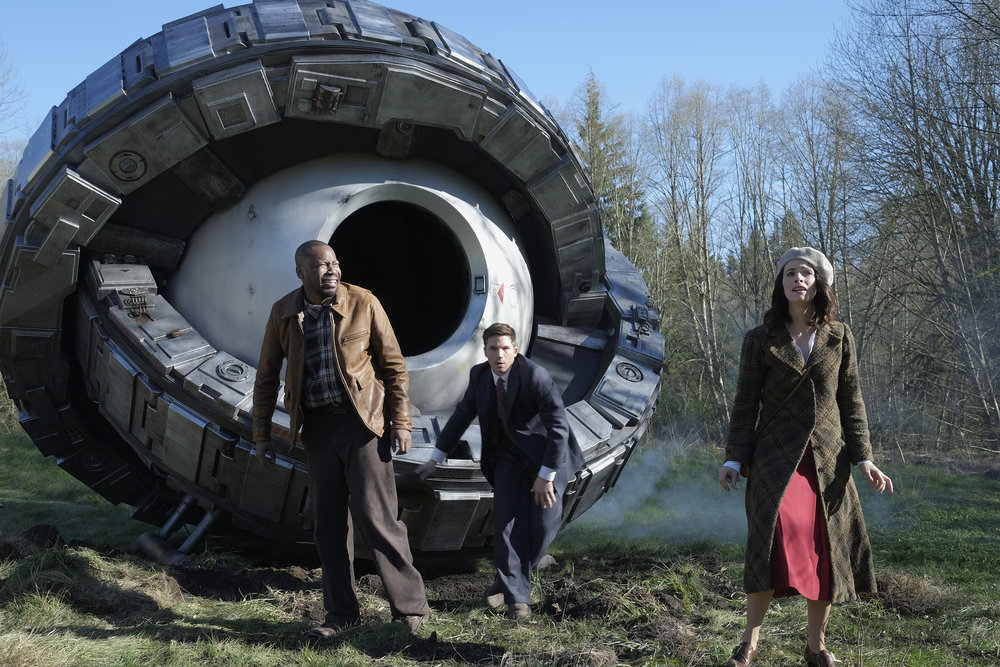
NBC delivered a highly addictive time travel adventure back in 2016 that actually makes learning history incredibly fun. You watch Abigail Spencer as the brilliant historian Lucy Preston, who teams up with a tough soldier named Wyatt Logan, played by Matt Lanter, and a nervous pilot named Rufus Carlin, played by Malcolm Barrett. They chase a mysterious terrorist named Garcia Flynn, played by Goran Visnjic, across different decades to stop him from destroying America. I always recommend this series to my friends because it completely avoids the confusing paradoxes you usually see in this genre. The story drops you right into the middle of massive historical events like the Hindenburg disaster or the assassination of Abraham Lincoln. A closer look beneath the vintage clothes and action scenes reveals a very emotional story about grief. A structural analysis shows that every change they make to the timeline directly mirrors their own personal desires to fix their past mistakes.

The Visual Style and Cinematography of the Past
Cinematographer Sam McCurdy gives every single time period a completely unique look and color palette. You immediately notice how the early episodes set in the 1930s look slightly faded and dusty, perfectly capturing the grim mood of the Great Depression. I do get a little annoyed when the camera uses too much bright lighting during the nighttime action scenes. The bright studio lights sometimes make those dangerous historical streets feel a bit too safe and artificial. A quick jump back to the cold modern day bunker thankfully restores a much better visual tension. The costume department deserves massive praise for creating hundreds of period accurate outfits that completely ground the crazy science fiction premise.

Production Design and the Architecture of Time
Pay attention to the set design and you will see how the two time machines completely reflect their different purposes. The tight interior of the Lifeboat feels very authentic because the exposed wires and cramped seats match a desperate prototype built in a total rush. A trip over to the villain using the massive Mothership offers a totally different vibe entirely. The clean metal walls and huge doors look like a highly advanced vehicle designed for absolute control. My main complaint involves the modern day secret base hidden inside an abandoned warehouse. The giant concrete rooms look a bit too much like a generic superhero headquarters instead of a real government facility. The choice to trap these modern characters in tiny historical spaces forces a natural comedy that jumps right off the screen.

Sound Design and the Editing Pacing
You really have to listen to the spinning sound of the time machine to understand the chaotic energy of this show. My ears constantly catch the loud mechanical whirring right before the characters violently drop into a new decade. The editing moves at a very fast pace to keep the action flowing across different centuries without confusing the audience. We hear a thrilling and adventurous musical score composed by Robert Duncan, and that choice makes the narrow historical escapes feel incredibly exciting. The sudden absolute silence when they return home and realize history just changed actually makes the butterfly effect feel terrifyingly real.

Frequently Asked Questions About Timeless
Let us clear up some common mysteries about this beloved historical adventure.
- Did the network actually cancel the series twice? Yes, NBC canceled the show after the first season but renewed it three days later due to massive fan outrage, and then canceled it again before finally greenlighting a two part finale movie.
- Are the historical figures based on real people? The writers strictly used real historical figures and incredibly accurate facts for every single episode to make the educational aspect totally genuine.
- Who built the actual time machines in the story? A brilliant scientist named Anthony Bruhl designed both the prototype and the main ship under the funding of a massive secret organization called Rittenhouse.

The Flickle Visual Score: 8.4/10
The incredible chemistry between the three leads and the fun history lessons keep me coming back, but I cannot deny that the overarching conspiracy plot gets a bit messy. Certain secret society reveals happen so quickly that you almost lose your connection to the simple fun of traveling through time.
Fans of history and science fiction will definitely love finding the hidden timeline changes in every episode. If you think you have the eye to spot the vintage clues in our daily tv show guessing game or just want a fun break for your brain, test your skills at Flickle. You can challenge your friends and prove your ultimate pop culture knowledge.


Mastered the Frame?
Test your visual memory and see if you can guess this movie in 6 frames.
Solve Today's Puzzle


