The Grand Budapest Hotel: Tragedies in Pastel Boxes
I used to dismiss Wes Anderson as a director who cared more about dollhouses than human beings but a recent viewing of The Grand Budapest Hotel completely changed my mind. When I look past the confectionery colors I see a deeply melancholic film about the slow decay of civilization. My analysis suggests that the rigid visual control is not just a stylistic quirk but a desperate attempt by the characters to maintain order in a world that is falling apart around them.
Aspect Ratios as Time Machines
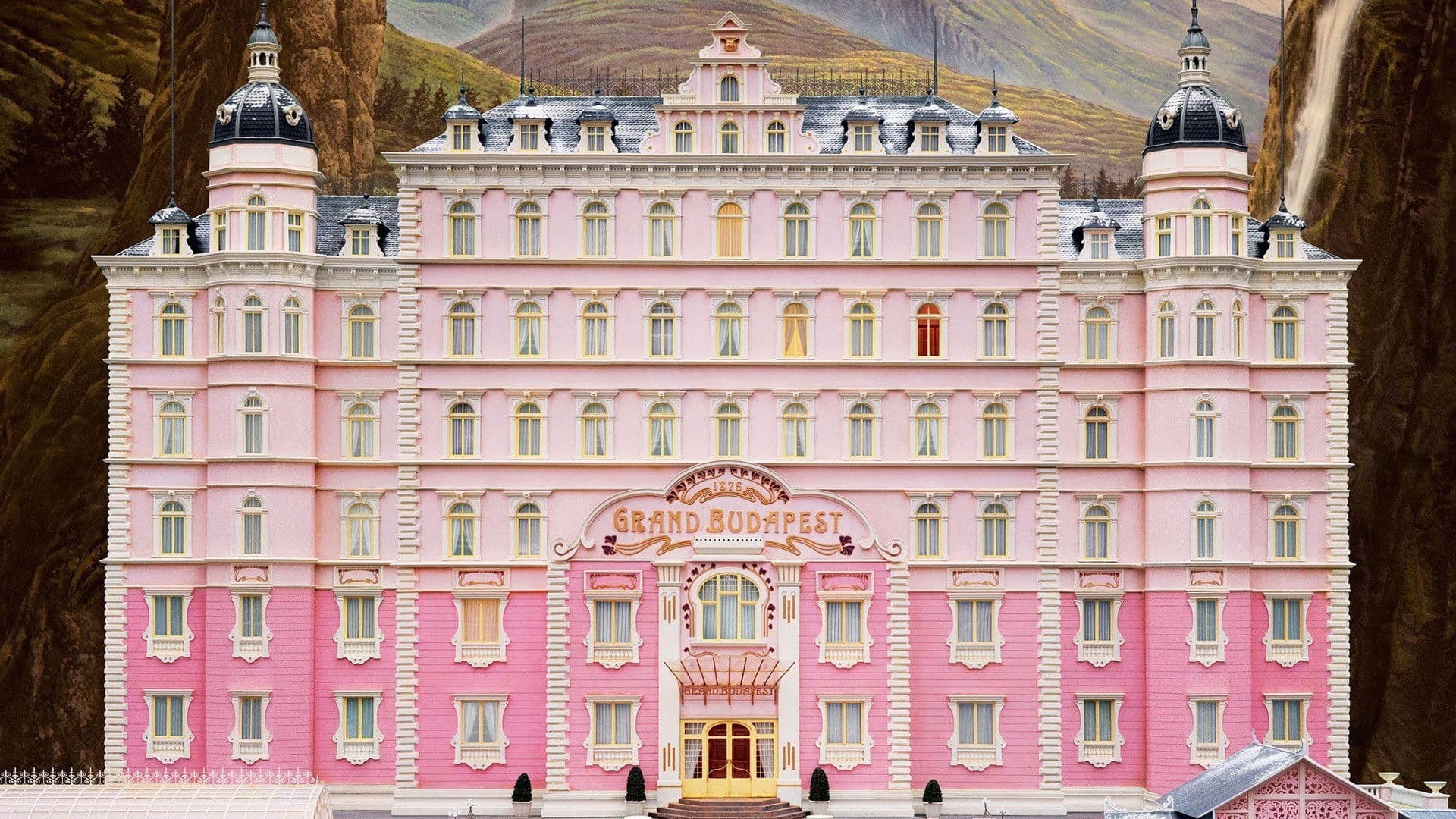
The most brilliant technical choice in my view is how the cinematography utilizes changing aspect ratios to orient the audience in time. I noticed that the 1930s sequences are shot in the 1.37:1 Academy ratio which mimics the cinema of that era. This is not just a gimmick because it vertically elongates the frame and emphasizes the height of the hotel. When the narrative structure jumps to the 1960s the screen widens to 2.35:1 anamorphic which captures the loneliness of the empty lobby perfectly. This use of visual storytelling allows me to know exactly where we are in the timeline without needing a title card. It is a subtle cue that respects the intelligence of the viewer.
Color Theory and The Creeping Grey
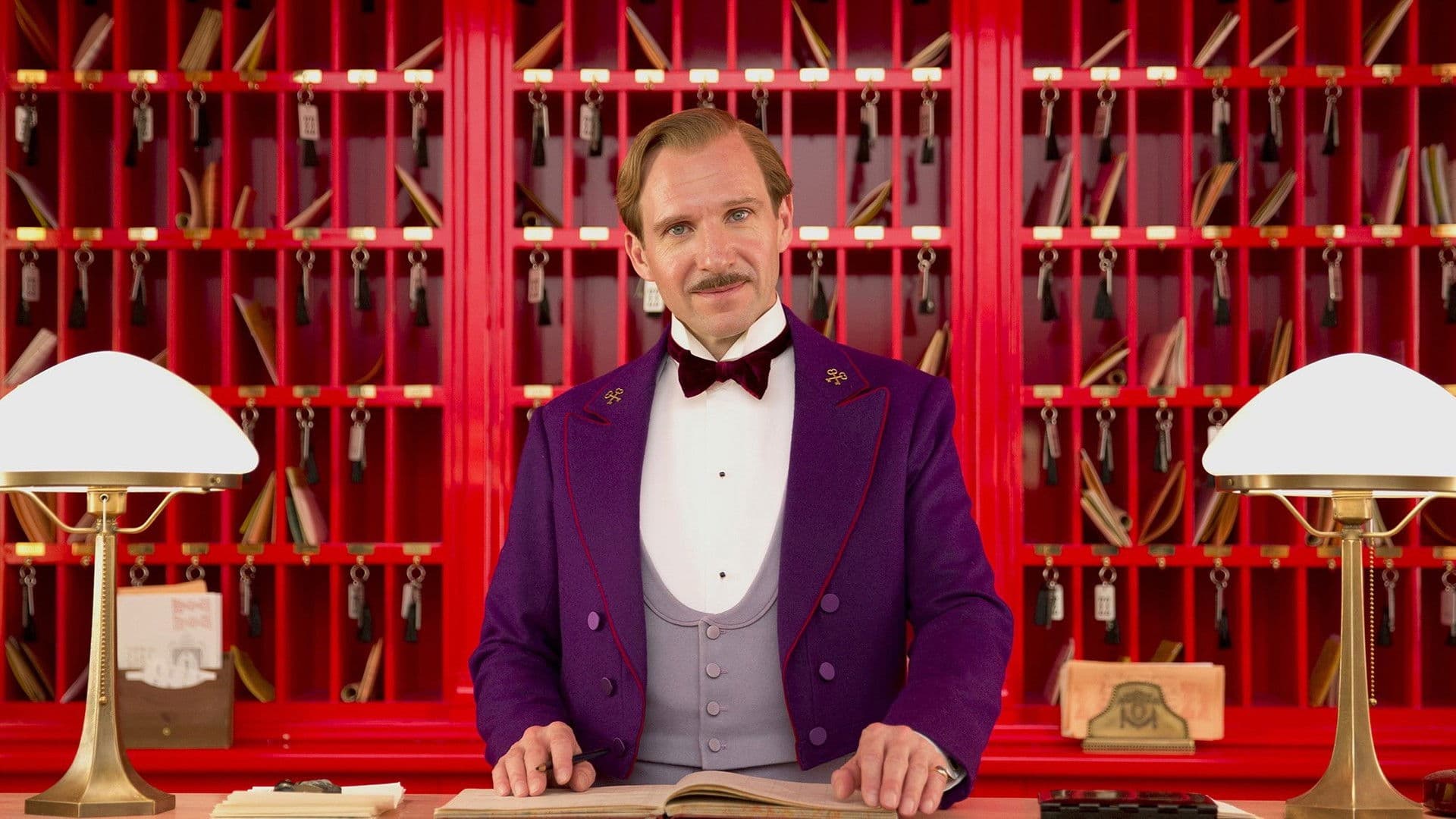
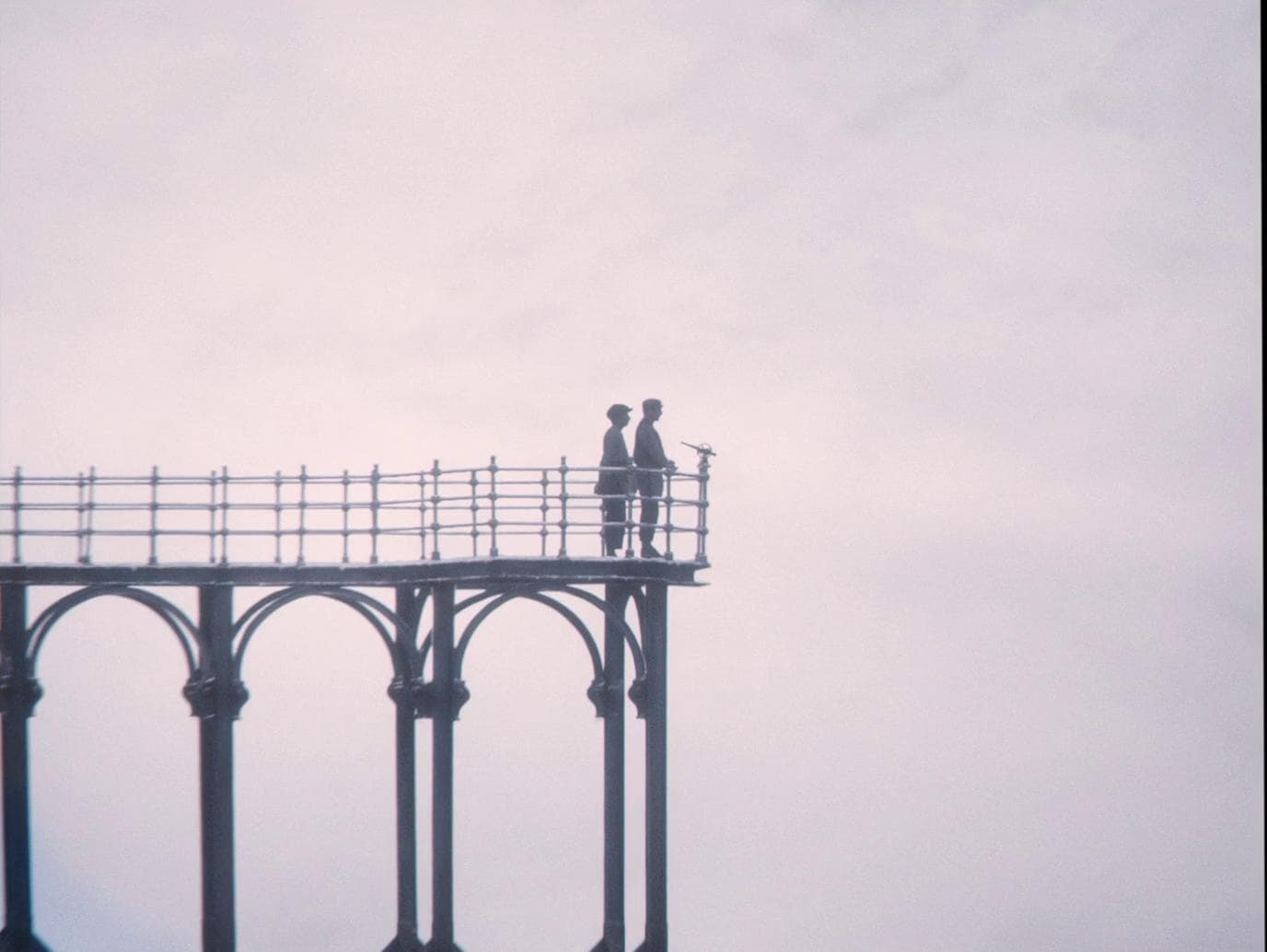
I was struck by how the production design uses color to signal the encroachment of fascism. The hotel begins as a vibrant explosion of pinks and reds and purples which represents the "world of yesterday" and its refined sensibilities. As the plot analysis progresses and the fictional ZZ troops invade I observed that the palette shifts drastically to cold greys and blacks. The visual aesthetics of the brutalist architecture in the 1960s sequences feel lifeless compared to the earlier warmth. I found symbolism in M. Gustave’s purple coat because he stands out like a sore thumb against the monochromatic uniforms of the soldiers. He is a relic of a colorful past trying to survive in a black and white future.
Planimetric Staging and Mechanical Acting
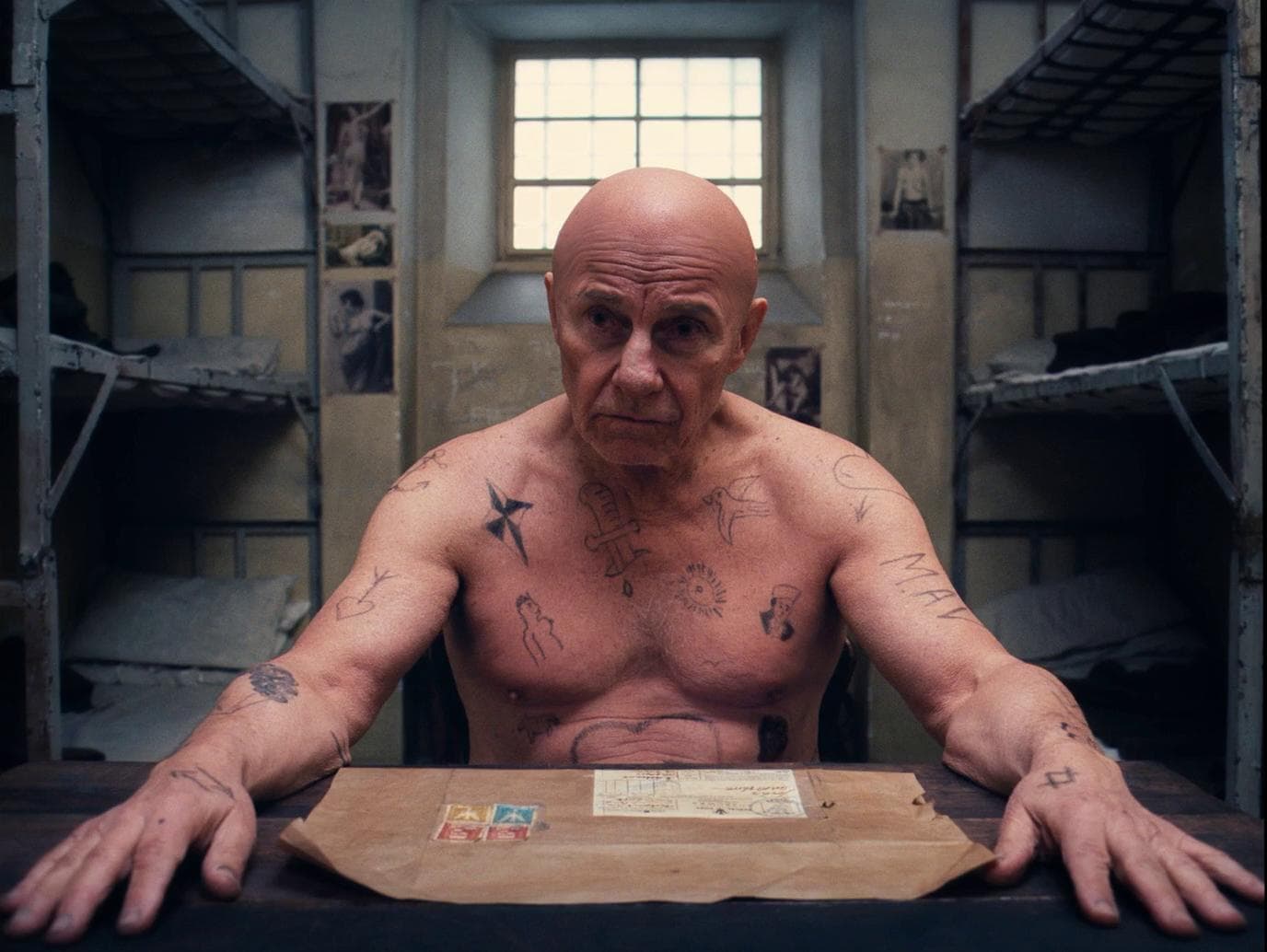
A critical review of the movement in the film reveals a heavy reliance on planimetric staging where the camera is placed at a 90 degree angle to the subject. I noticed that the characters often move horizontally across the screen like figures in a shooting gallery. This creates a fascinating character study because the mechanical movement contrasts sharply with the deep emotional bonds between Gustave and Zero. I found hidden details in the background action where minor characters perform perfectly synchronized loops. This artificiality actually highlights the genuine humanity of the protagonists because they are the only ones who seem to be actually feeling something real inside this clockwork universe.
The Flickle Visual Score
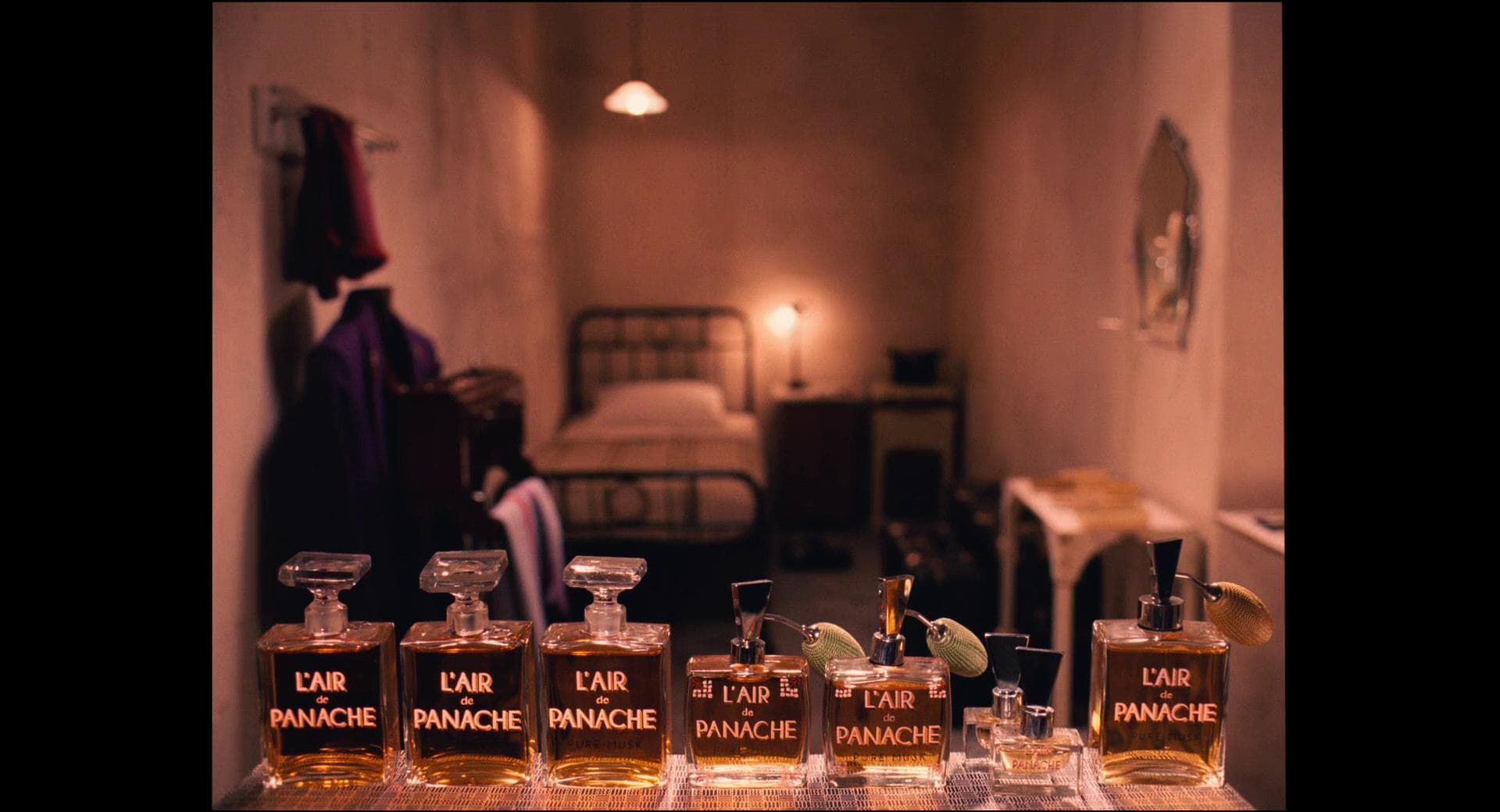
9.9/10 – I am awarding this near-perfect score for the rigorous discipline of using three distinct aspect ratios to define the nested narrative timelines which is a technical feat that requires immense planning in the editing room.
If you think you have the eye to recognize these changing screen dimensions then test your skills in our daily movie puzzle game at https://www.flickle.co
Mastered the Frame?
Test your visual memory and see if you can guess this movie in 6 frames.
Solve Today's Puzzle