Arrival Deep Dive: Denis Villeneuve and the Language of Time
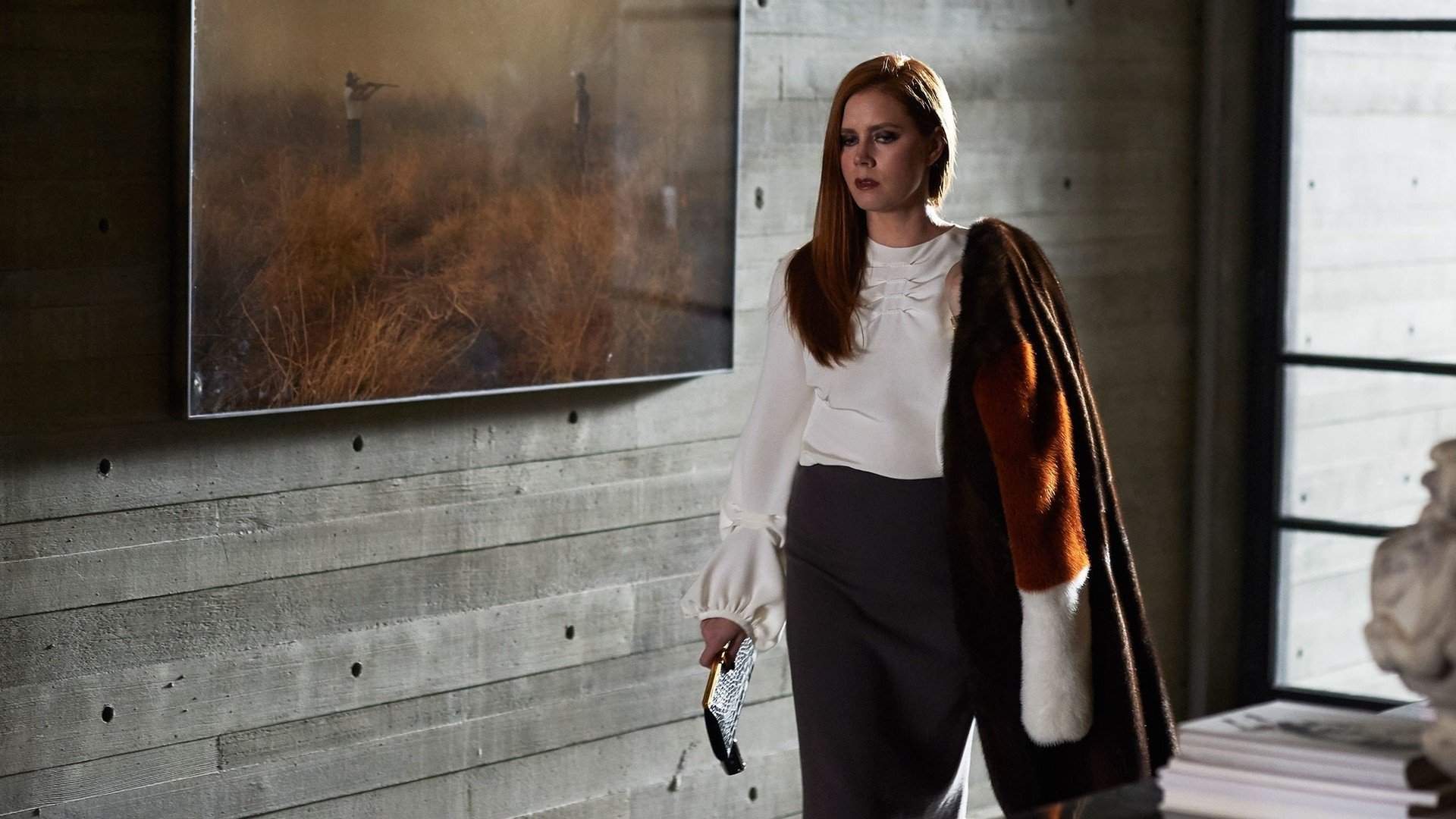
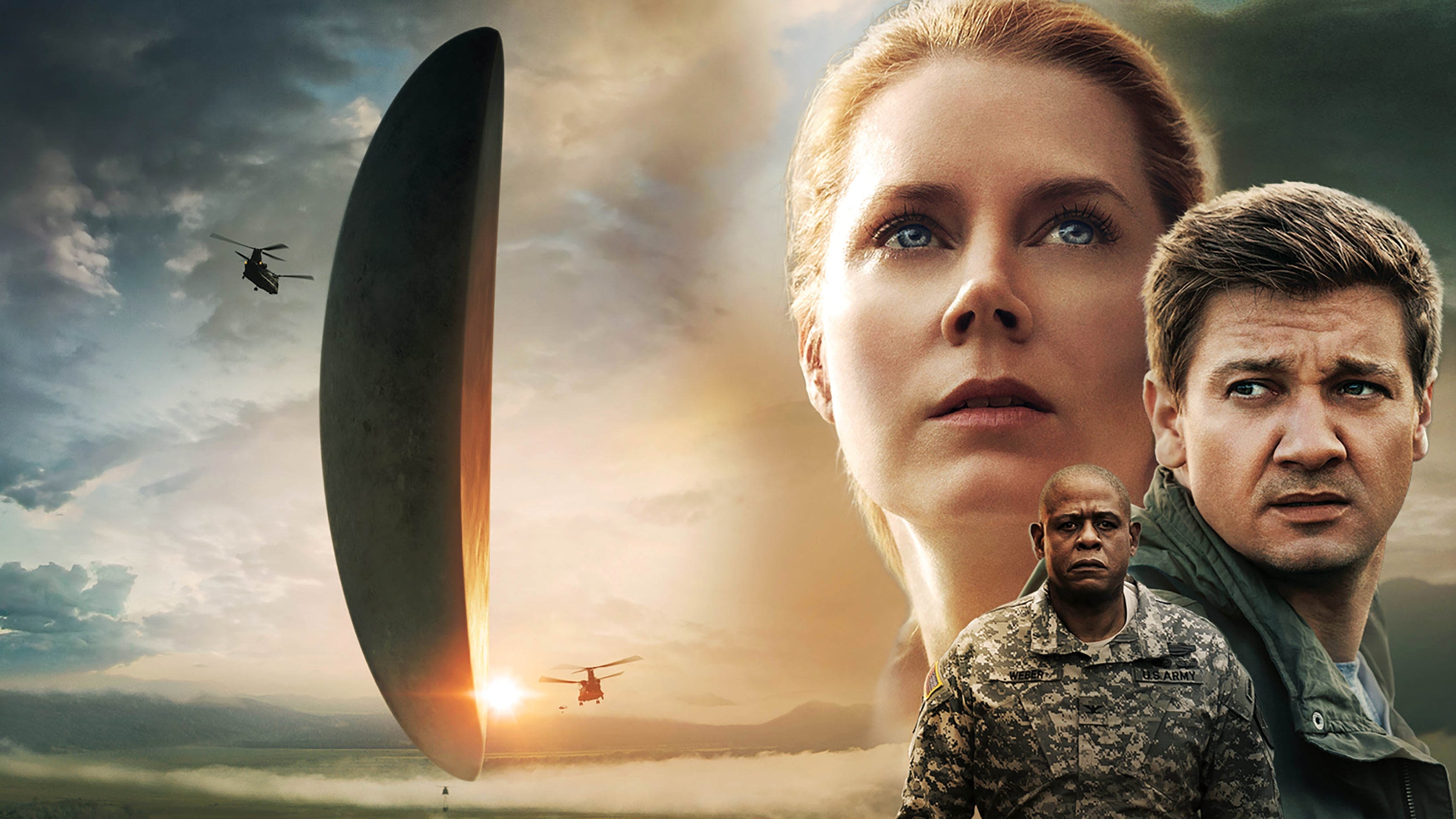
Denis Villeneuve completely revolutionized first contact science fiction back in 2016 with a deeply emotional masterpiece that challenges our basic perception of reality. You follow Louise Banks, played with extraordinary grace and vulnerability by Amy Adams, as an elite linguist recruited by the military after twelve mysterious alien spacecraft hover over different locations around the globe. Co starring Jeremy Renner as theoretical physicist Ian Donnelly and Forest Whitaker as Colonel Weber, I always recommend this brilliant film to anyone seeking a cerebral mystery that balances massive cosmic scale with intimate personal grief. It throws you right into a tense geopolitical standoff while exploring how language shapes human thought and memory. You quickly get swept up in the eerie silence of the alien vessel and the mind bending circular logograms. Looking beneath the military hazmat suits and geopolitical tensions exposes the actual mechanics of the script. A structural analysis reveals that every seemingly spontaneous argument between the determined linguist and the rigid military officials is carefully timed to mirror their deeply rooted, inescapable similarities.
The Visual Style and Cinematography of First Contact
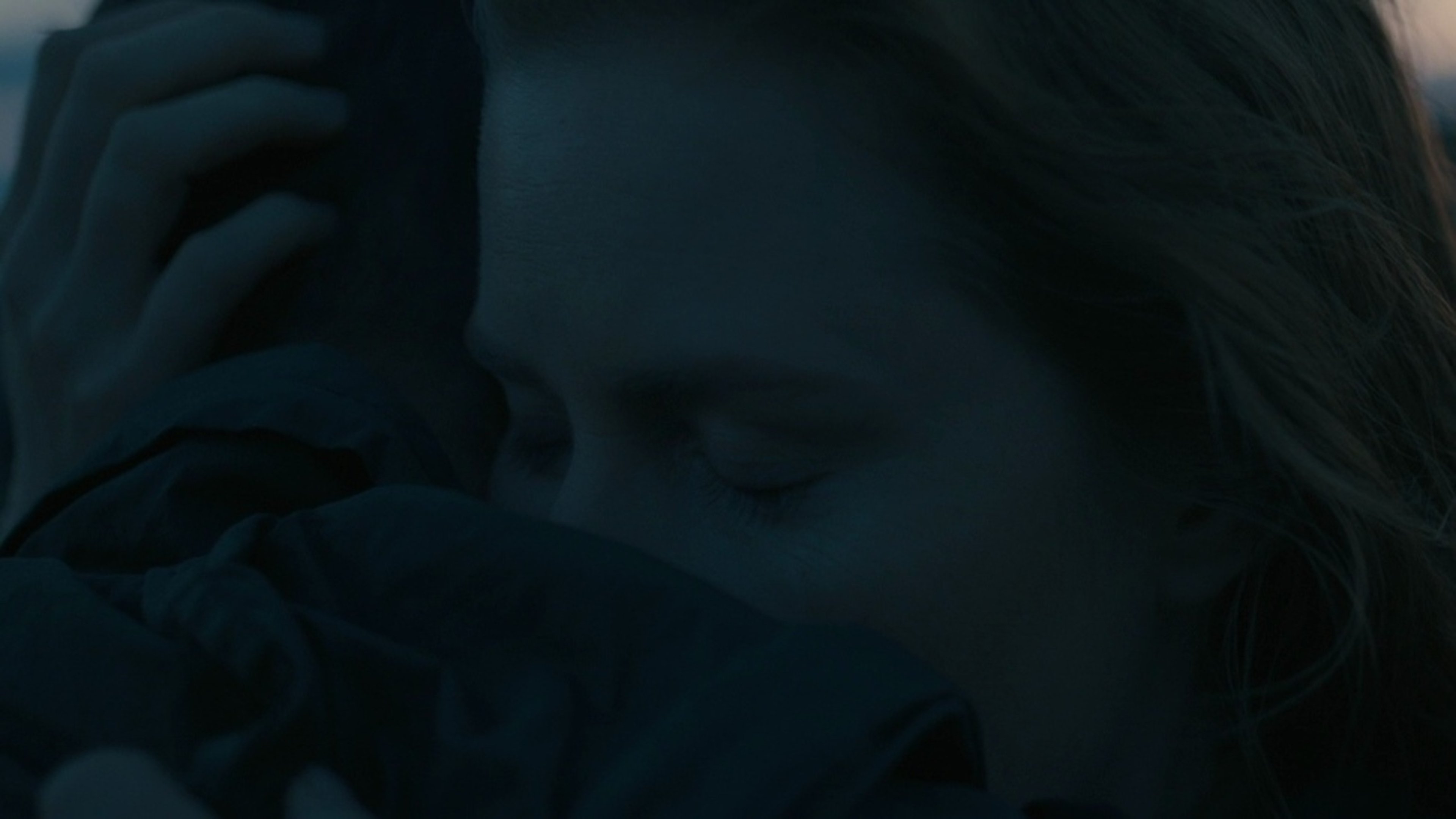
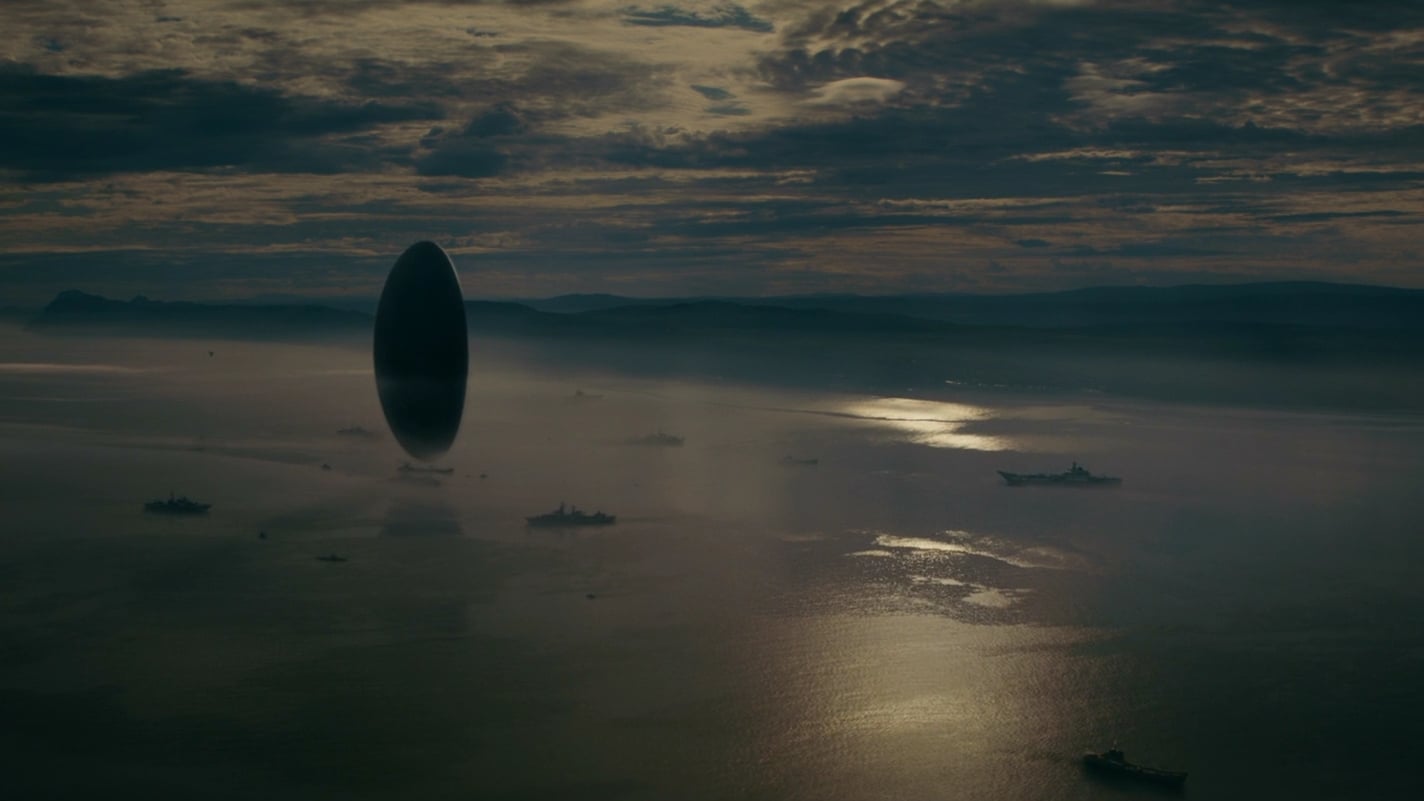
For the visual aesthetic, cinematographer Bradford Young relies entirely on natural lighting and an exceptionally muted, earthy color palette. You instantly notice how the misty Montana valleys and heavy cloud covers make the arrival site feel like an ethereal, quiet dreamscape bathed in pale gray daylight. I do have to admit that the lighting choices become genuinely frustrating whenever the characters conduct communication sessions inside the dark anti gravity chamber. Placing the actors behind thick observation screens in low contrast setups makes certain crucial facial expressions look a bit too murky instead of properly legible. A return to the crisp autumn sunlight outside the military base camp thankfully restores a striking, grounded visual clarity. Visually softening the terrifying reality of an extraterrestrial presence, the gentle analog texture also reflects a desperate wish to find peace in the face of inevitable sorrow.
Production Design and the Architecture of Alien Encounters
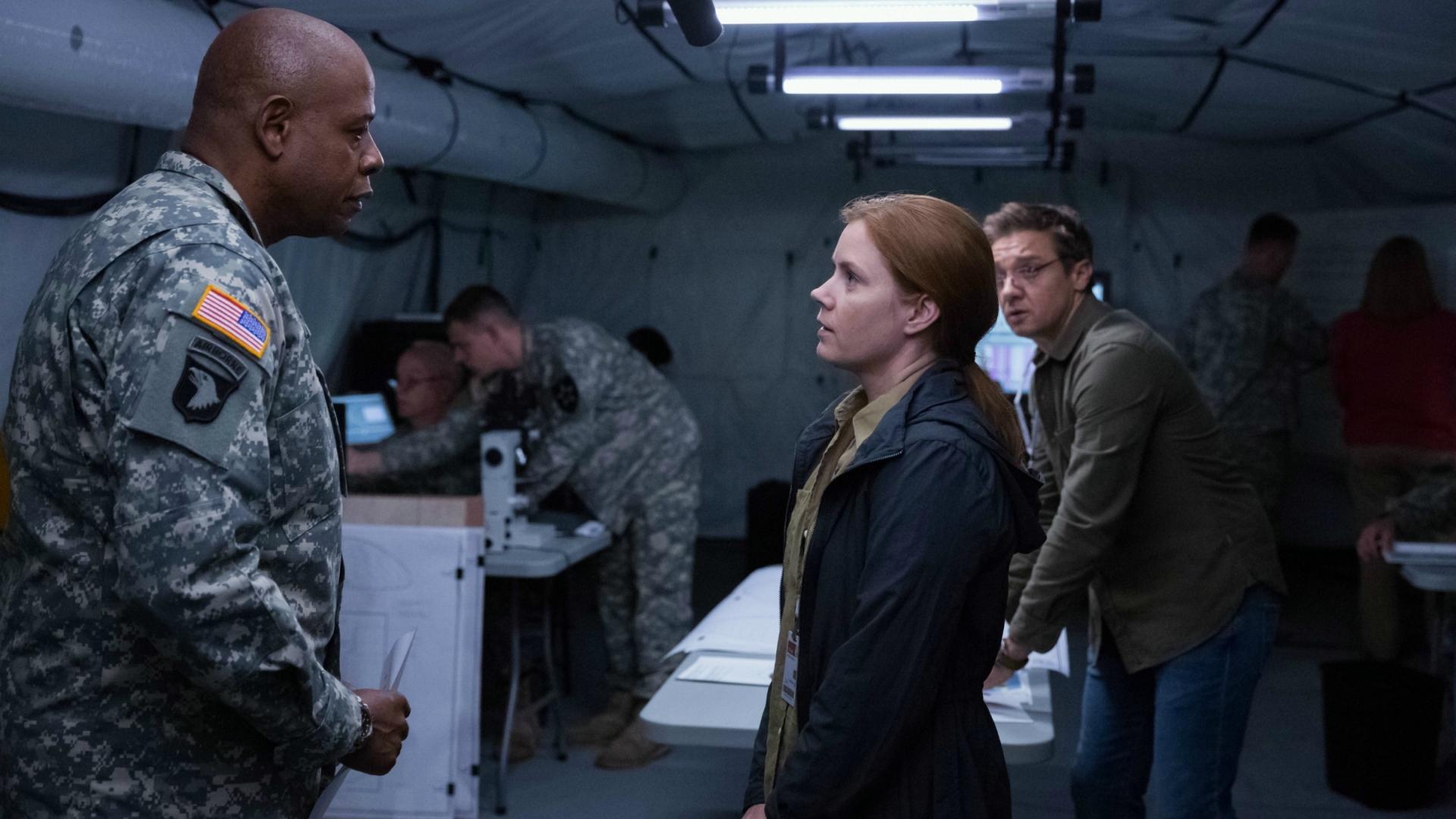
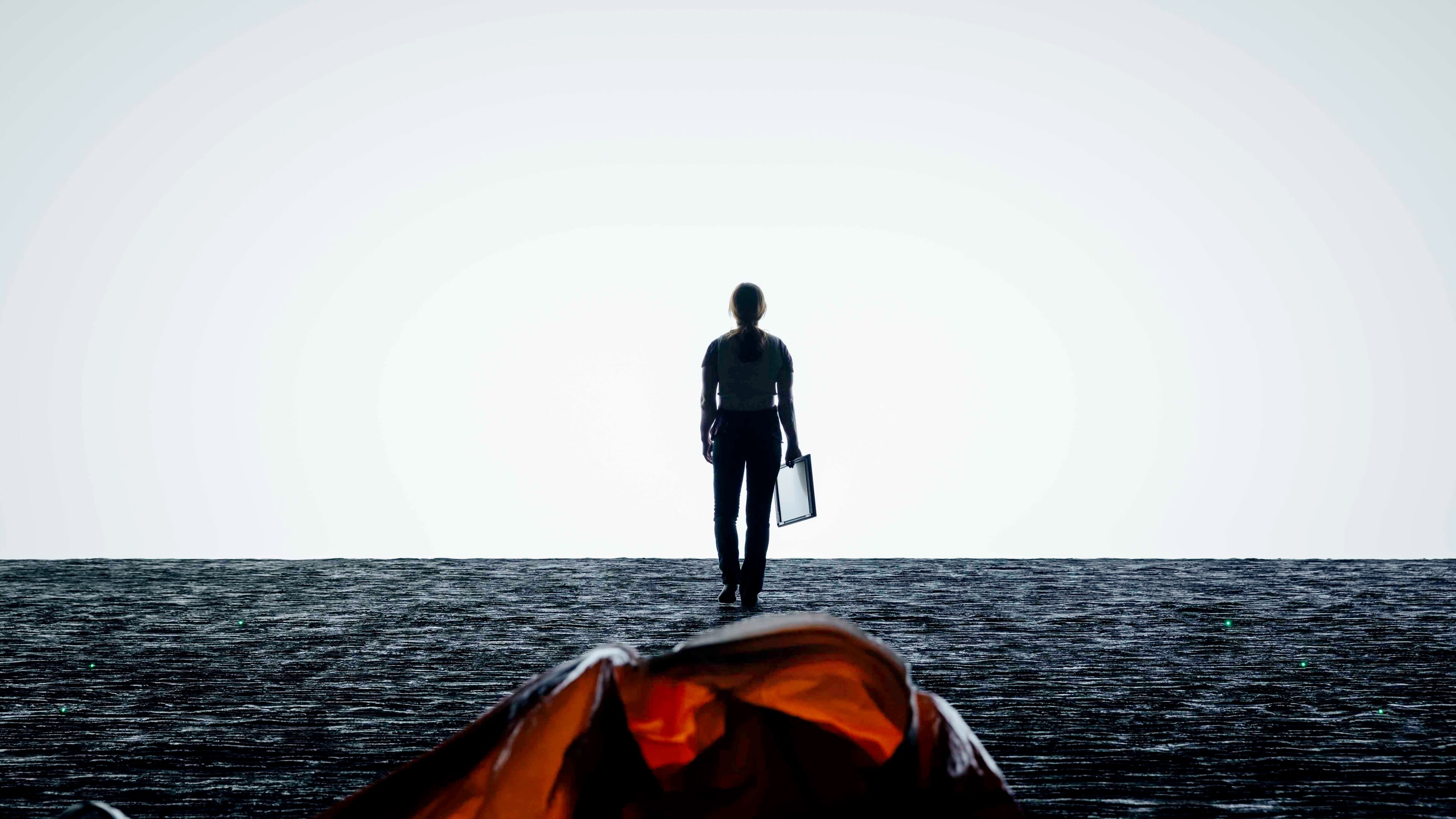
Pay close attention to the set design and you will see how the physical environments are built to completely contrast human clutter with extraterrestrial minimalism. The chaotic interior of the military command tents feels incredibly authentic because the tangled electrical cables, buzzing computer banks, and temporary desks perfectly match a panicked human race scrambling for control. A visit to the interior of the alien shell leaves a completely different impression entirely, as those perfectly smooth stone corridors and massive glass like barriers come off almost like a sacred, ancient sanctuary floating in midair. My biggest complaint actually centers on the overseas military base camps shown on television screens because the generic computer graphics look a bit too basic for such a pristine production. Still, forcing these cautious scientists to constantly bump elbows in tight decontamination units makes their mounting existential dread feel very tangible.
Sound Design and the Editing Pacing
To truly understand the hypnotic atmosphere of this encounter, you have to listen to the incredibly strange, bass heavy vocalizations designed for the alien visitors. My ears constantly pick up the low rumbling vibrations of the spacecraft blending right into the suffocating quiet of the misty valley before a major breakthrough happens. Throughout the most intense deciphering sequences, the editing moves at a remarkably patient pace that seamlessly weaves memories of the past directly into present actions. Jóhann Jóhannsson composed an undeniably haunting and experimental original score, yet it occasionally threatens to make the tense military standoff scenes feel a little too much like an avant garde concert. The loud metallic hiss of an oxygen valve opening inside a protective suit actually grounds the extravagant science fiction premise.
Frequently Asked Questions About Arrival
Before we get to the final rating, let us clear up some common mysteries surrounding this acclaimed sci fi masterpiece.
Is Arrival based on a book or short story? Yes, the entire screenplay is adapted from a renowned novella titled Story of Your Life written by celebrated author Ted Chiang, published originally in 1998.
Where were the scenic valley scenes actually filmed? The production crew captured the breathtaking outdoor landscapes and the military base encampment in Saint Fabien, Quebec, using the dramatic Canadian terrain to stand in for rural Montana.
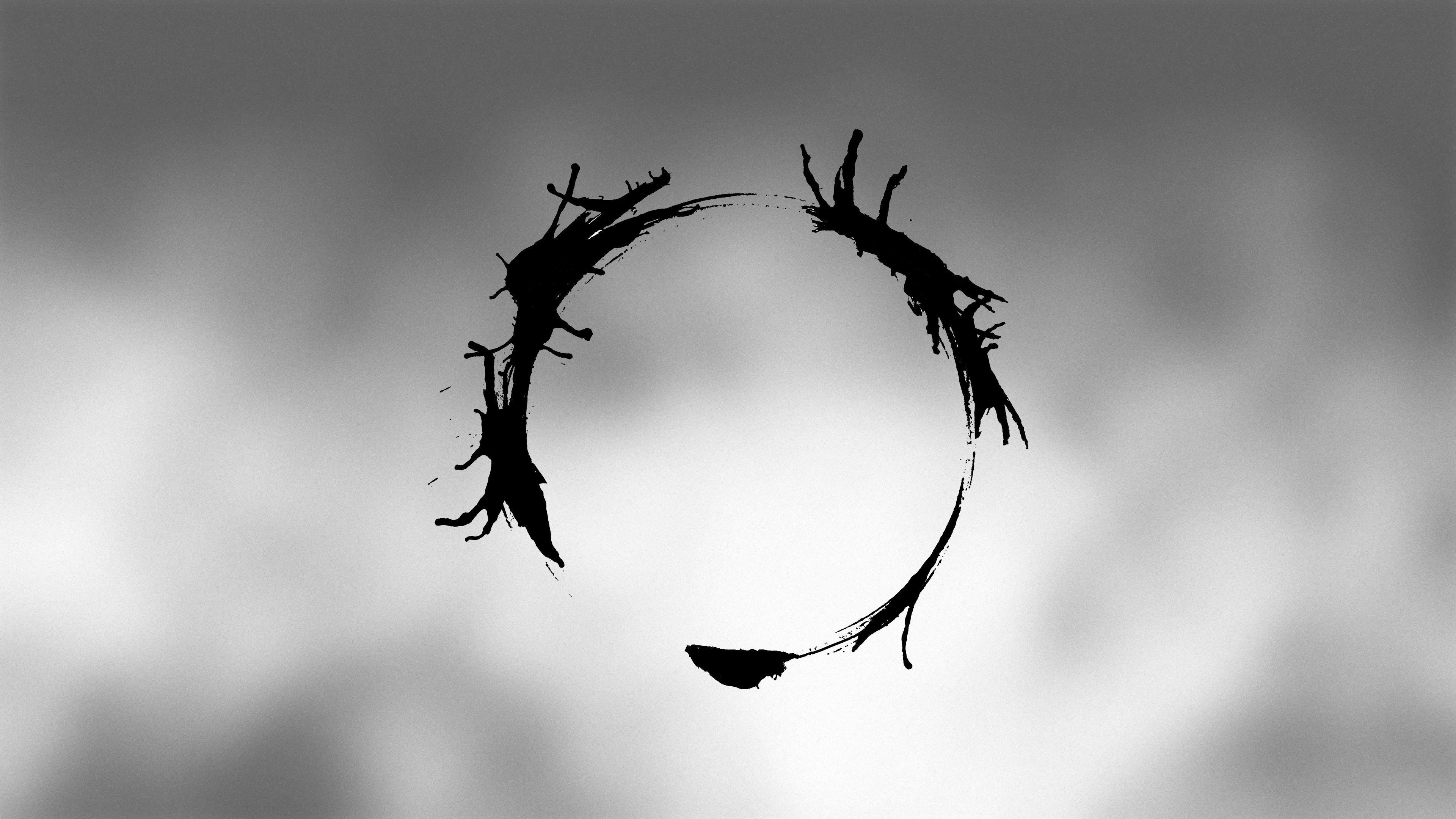
Did the filmmakers actually create a functional alien language? The creative team collaborated directly with real linguists and visual artists to develop a fully realized dictionary of over one hundred unique circular logograms that each carry specific, complex meanings.
The Flickle Visual Score: 9.7/10
The incredible central performance by Amy Adams and the profoundly moving narrative reveal keep me completely captivated, but I cannot ignore how quickly the international military subplot turns into generic geopolitical panic in the third act. Certain phone calls with foreign leaders feel so briskly resolved that you practically have to strain your patience to accept how rapidly global diplomacy shifts.
Fans of an intellectual challenge will definitely appreciate the intricate visual clues and circular symbols scattered throughout this cinematic puzzle. If you think you have the eye to spot the complex alien logogram in our daily movie guessing game or simply want to guess the game based on visual clues then test your skills at Flickle. You can also jump into our daily movie wordle to prove your ultimate cinema knowledge.
Read Next


Mastered the Frame?
Test your visual memory and see if you can guess this movie in 6 frames.
Solve Today's Puzzle