Back to the Future Deep Dive: DeLoreans and Time Travel Mechanics
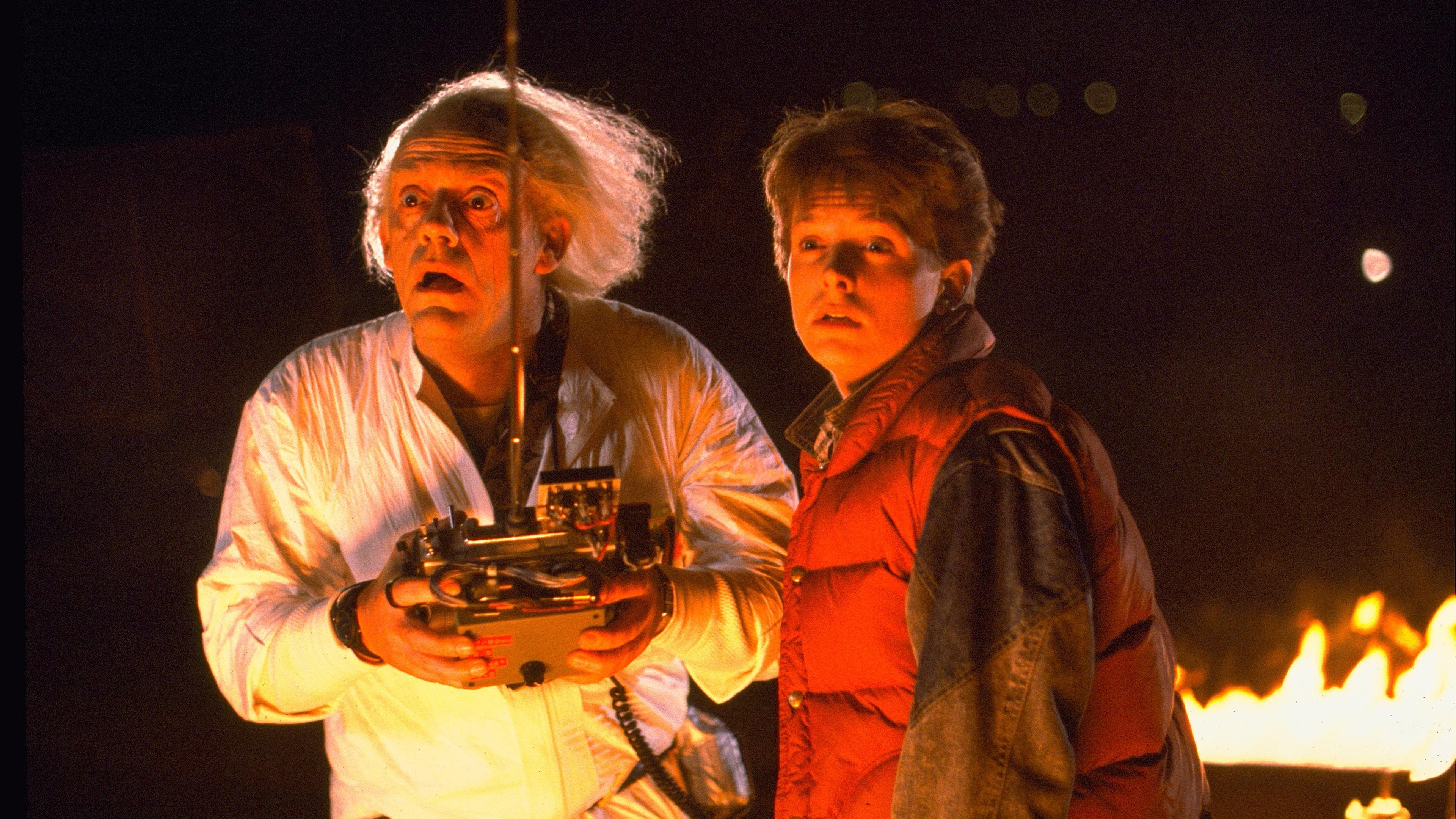
Robert Zemeckis caught lightning in a bottle back in 1985 with a science fiction comedy that completely defined a generation. You follow Marty McFly, played with absolute perfection by Michael J. Fox, as he accidentally travels thirty years into the past and disrupts the fateful meeting of his own teenage parents. Co starring Christopher Lloyd as the wonderfully manic Doc Brown, I always recommend this brilliant adventure to anyone who wants to see the ultimate standard for cinematic pacing. It throws you right into the optimistic nostalgia of the 1950s while asking hilarious questions about fate and family dynamics. Looking beneath the skateboard chases and plutonium deals exposes the actual mechanics of the script. A structural analysis reveals that every seemingly spontaneous argument between the time traveling teenager and his eccentric scientist mentor is carefully timed to mirror their deeply rooted, inescapable similarities.
The Visual Style and Cinematography of Two Eras
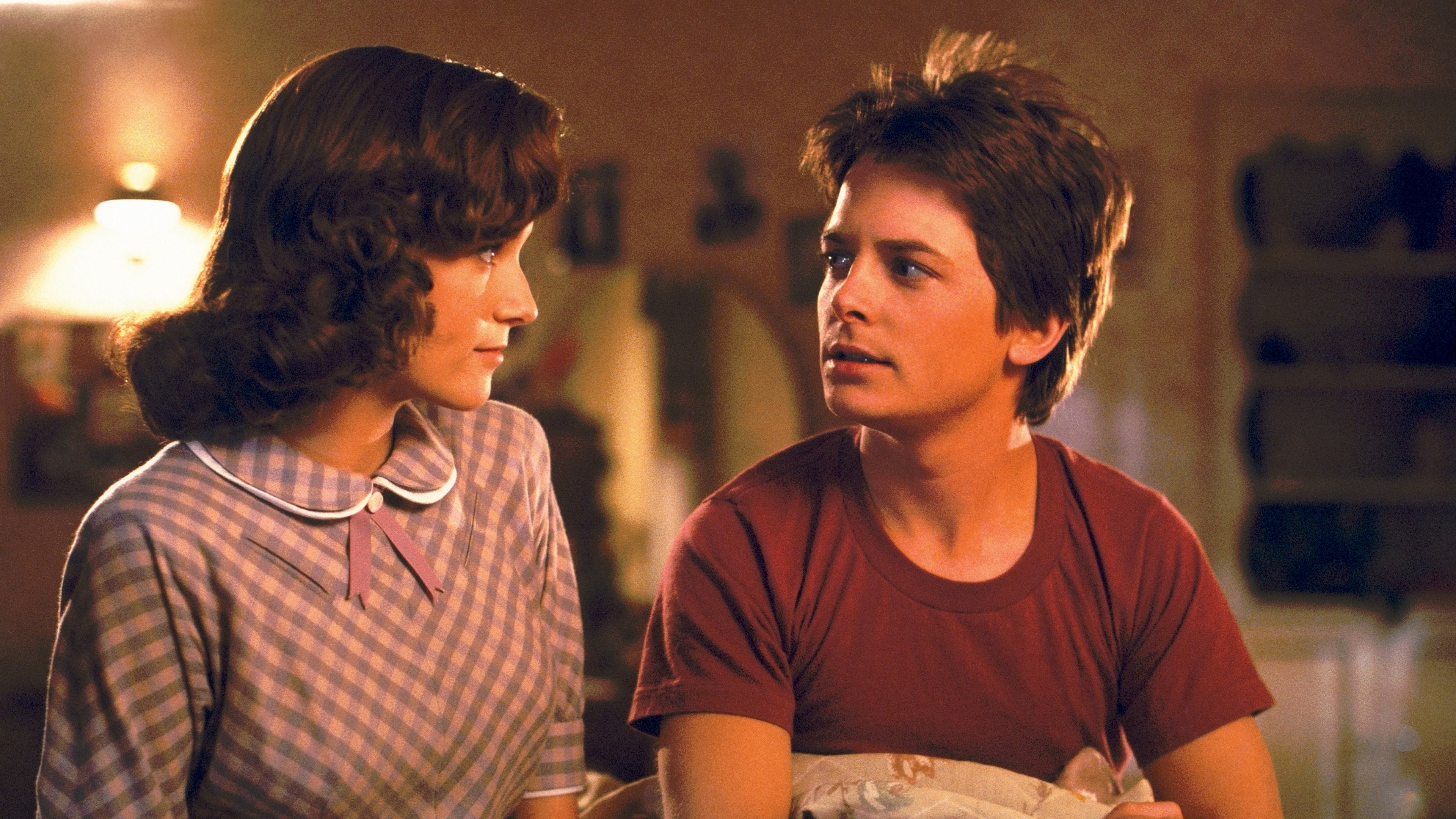
For the visual aesthetic, cinematographer Dean Cundey relies heavily on a deeply contrasting color scheme to separate the different decades. You instantly notice how the gloomy and rundown 1985 town square looks like a depressing concrete maze bathed in harsh fluorescent lights. I do have to admit that the lighting choices become genuinely frustrating whenever the characters enter the high school gymnasium during the evening. Hiding the actors in heavy shadows during the big dance sequence makes those crucial indoor conversations look a bit too muddy instead of properly romantic. Stepping out into the vibrant daylight of 1955 Hill Valley thankfully restores a striking, beautiful visual clarity. Visually softening the brutal reality of the future, the warm golden color grading of the past also reflects a desperate wish to fix broken family histories.

Production Design and the Architecture of Hill Valley
Pay close attention to the set design and you will see how the physical environments are built to completely track the decay of the American dream. The chaotic interior of Doc Brown's garage feels incredibly authentic because the ticking clocks and scattered dog food perfectly match a brilliant but completely disorganized inventor. Visiting the pristine vintage diner leaves a completely different impression entirely, as those perfectly aligned vinyl booths come off almost like a sterile museum display of youth culture. My biggest complaint actually centers on the Libyan terrorist van sequence because the abandoned mall parking lot looks a bit too empty and theatrical for a supposedly random shootout. Still, forcing these opposing personalities to constantly bump elbows inside a cramped sports car makes their mounting friendship feel very tangible.

Sound Design and the Editing Pacing
To truly understand the urgency of this temporal crisis, you have to listen to the incredibly tense pockets of ticking clocks echoing in the background. My ears constantly pick up the heavy mechanical whirring of the time circuits blending right into the squealing tires of a skateboard. Throughout the most intense chase sequences, the editing moves at a bizarrely perfect pace that heavily relies on comedic timing rather than pure adrenaline. Alan Silvestri composed an undeniably iconic orchestral score, yet it occasionally threatens to make the dramatic lightning storm climax feel like an overwhelming theme park ride. Hearing the heavy metallic clunk of the gullwing doors shutting actually grounds the extravagant science fiction premise.

Frequently Asked Questions About Back to the Future
Before we get to the final rating, let us clear up some common mysteries surrounding this beloved time travel classic.
Who was originally cast as Marty McFly? Actor Eric Stoltz actually filmed several weeks of footage as the main character before the director realized he brought a tone that was far too serious for a comedy, leading them to bring in Michael J. Fox to save the picture.
Where was the fictional town of Hill Valley filmed? The entire production shot the town square scenes on the massive Courthouse Square backlot at Universal Studios, meticulously redressing the exact same buildings to represent the two different time periods.
Was the time machine always supposed to be a car? Early drafts of the script originally featured a time machine made out of an old refrigerator, but the creators wisely changed it to a DeLorean because they worried children might accidentally trap themselves inside household appliances.

The Flickle Visual Score: 9.8/10
The incredible chemistry and the perfectly structured screenplay keep me completely hooked, but I cannot ignore how awkwardly the aging makeup looks on the adult actors during the alternate future scenes. Certain prosthetic faces look so artificially rubbery that you practically have to strain your suspension of disbelief.
Fans of a challenging trivia game will definitely appreciate the hidden visual easter eggs scattered throughout the different eras. If you think you have the eye to spot the broken clock tower ledge in our daily movie guessing game or simply want to guess the game based on visual clues then test your skills at Flickle.


Mastered the Frame?
Test your visual memory and see if you can guess this movie in 6 frames.
Solve Today's Puzzle