Blade Runner Analysis: Ridley Scott and the Neon Rain
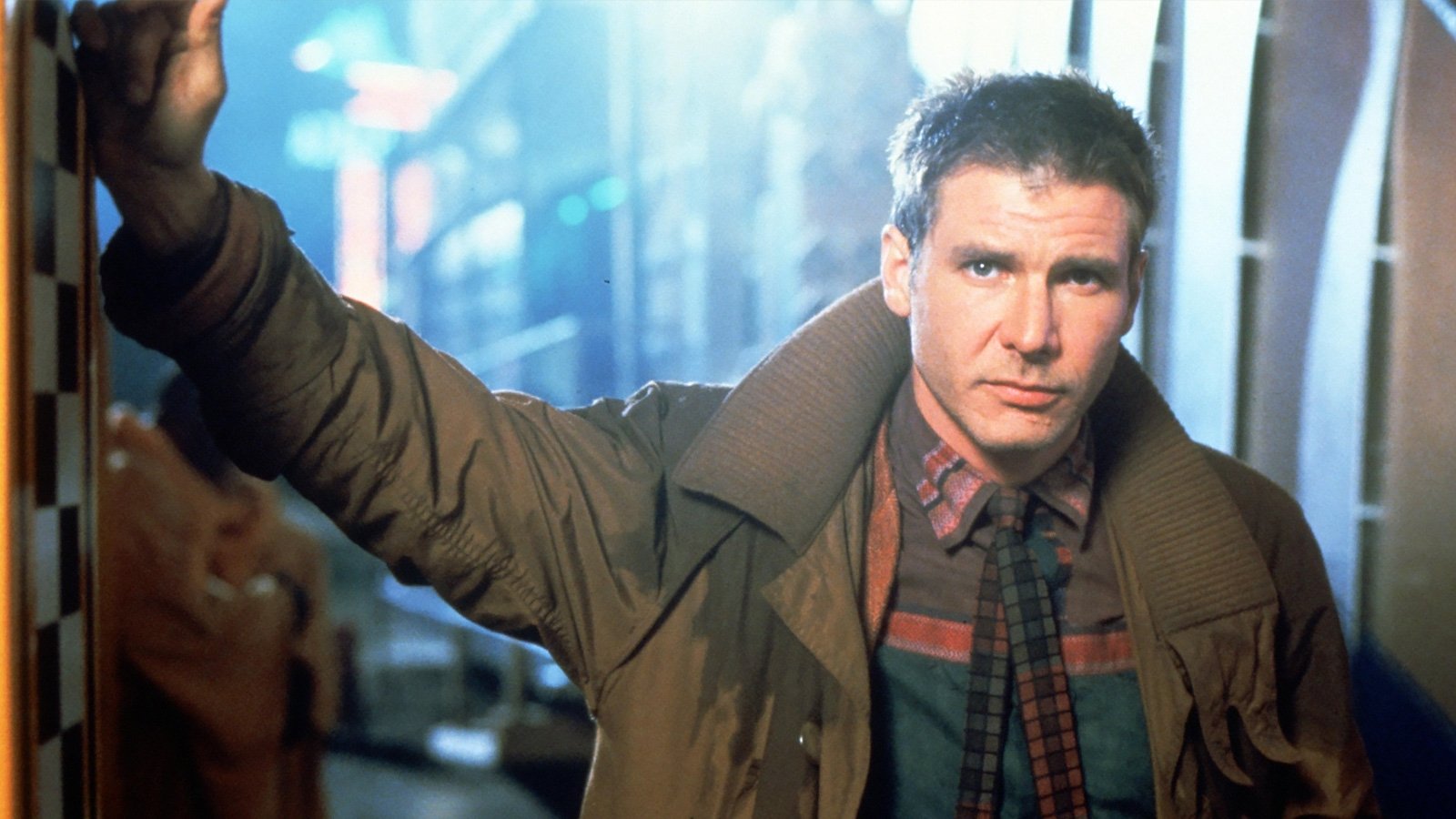
Ridley Scott created the ultimate sci fi noir back in 1982 with a film that completely defined the cyberpunk genre. You follow Harrison Ford as Rick Deckard, a burnt out cop forced back into action to hunt down four rogue synthetic humans hiding in a rainy, dystopian Los Angeles. Co starring Rutger Hauer as the terrifyingly poetic Roy Batty and Sean Young as the mysterious Rachael, I always recommend this masterpiece to anyone looking for atmospheric cinema that genuinely challenges the mind. It throws you right into a grim future of corporate greed and flying police cars while asking profound questions about humanity and empathy. You quickly get swept up in the neon lit street stalls and the smoky interrogation rooms. When you look beneath the glowing umbrellas and artificial animals, the actual mechanics of the script become very obvious. A structural analysis reveals that every seemingly spontaneous argument between the weary detective and his synthetic targets is carefully timed to mirror their deeply rooted, inescapable similarities.

The Visual Style and Cinematography of a Cyberpunk Metropolis
For the visual aesthetic, cinematographer Jordan Cronenweth relies entirely on high contrast lighting and a deeply moody, smoke filled color scheme. You instantly notice how the massive glowing billboards and constant acid rain make the crowded city streets look like a beautiful neon nightmare. I do have to admit that the lighting choices become genuinely frustrating whenever the characters enter the incredibly cluttered apartment belonging to J.F. Sebastian. Hiding the actors in overly dark, flickering shadows makes those crucial indoor suspense sequences look a bit too muddy instead of properly atmospheric. Stepping back out into the bright, fiery explosions over the industrial skyline thankfully restores a striking visual clarity. Visually softening the brutal reality of an ecologically devastated planet, the heavily backlit smoke also reflects a desperate wish to mask the decaying infrastructure.

Production Design and the Architecture of a Ruined Earth
Pay close attention to the set design and you will see how the physical environments are built to completely crush the working class citizens under the weight of corporate wealth. The chaotic interior of Deckard's apartment feels incredibly authentic because the strange geometric tiles and cramped spaces perfectly match a lonely man who drinks too much to forget his violent job. Visiting the massive, golden pyramids belonging to the Tyrell Corporation leaves a completely different impression entirely, as those perfectly aligned marble pillars come off almost like a warm but terrifying temple for a false god. My biggest complaint actually centers on the street level noodle bars because the crowded extras look a bit too perfectly choreographed for a supposedly chaotic urban slum. Still, forcing these desperate replicants to constantly bump elbows in tight, rain slicked alleyways makes their mounting survival panic feel very tangible.

Sound Design and the Editing Pacing
To truly understand the isolating weight of this dystopian Los Angeles, you have to listen to the incredibly tense pockets of synthesizer music echoing through the smog. My ears constantly pick up the heavy mechanical drone of the flying spinners blending right into the suffocating electronic score. Throughout the most intense chase sequences, specifically the final rooftop hunt, the editing moves at a bizarrely slow, deliberate pace that allows every single emotional realization to linger. Vangelis composed an undeniably breathtaking and futuristic soundtrack, yet it occasionally threatens to make the slow romantic scenes feel a little too much like an overwhelming dream sequence. Hearing the loud metallic crunch of a replicant breaking through a brick wall actually grounds the extravagant cinematic style.

Frequently Asked Questions About Blade Runner
Before we get to the final rating, let us clear up some common mysteries surrounding this iconic cyberpunk classic.
Is Blade Runner based on a specific book? Yes, the entire narrative is loosely adapted from a science fiction novel titled Do Androids Dream of Electric Sheep written by the legendary author Philip K. Dick.
Why are there so many different versions of the film? Studio interference originally forced the director to add a happy ending and a clumsy voiceover, leading Ridley Scott to release the definitive Final Cut decades later to restore his true, much darker vision.
Where did they film the famous climactic rooftop scene? The production crew utilized the stunning architecture of the real Bradbury Building in downtown Los Angeles, heavily dressing the historic location with futuristic lights and artificial rain.
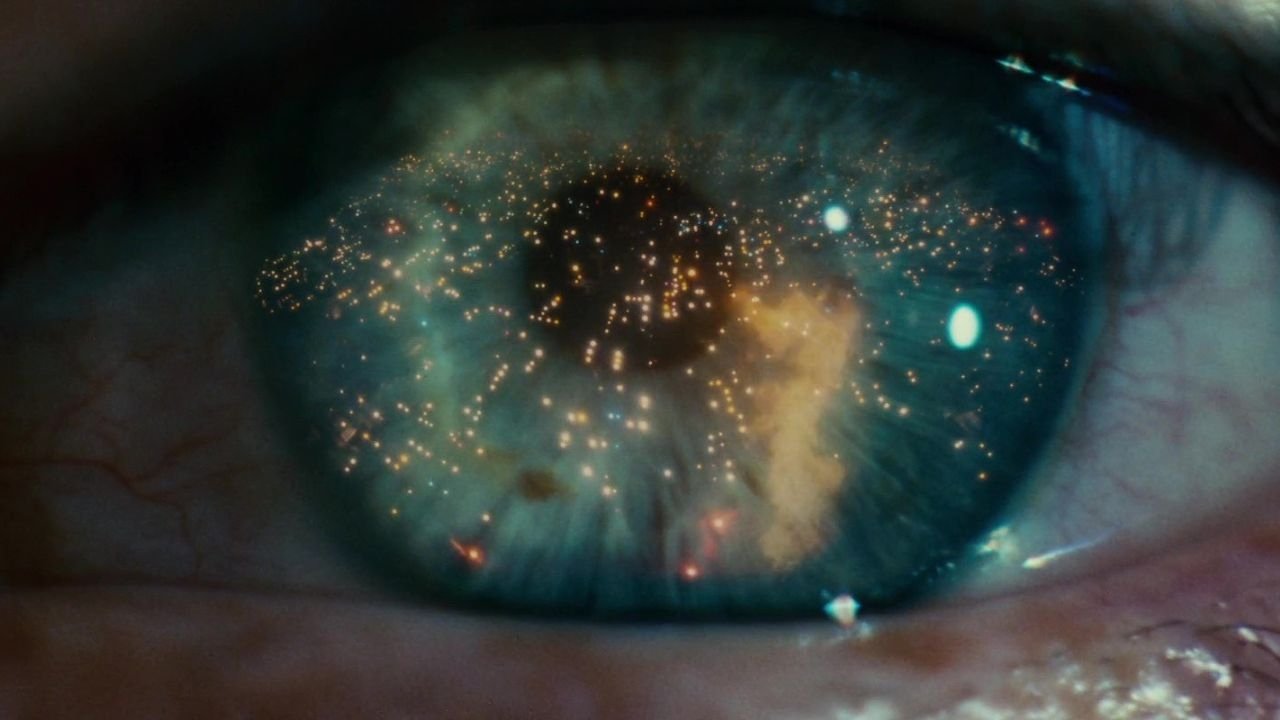
The Flickle Visual Score: 9.5/10
The incredible atmosphere and the philosophical villain keep me completely hooked, but I cannot ignore how stiff the central romance feels during the middle act. Certain intimate moments between the main characters feel so aggressively forced that you practically have to strain your brain to believe the emotional connection.
Fans of challenging puzzles will definitely appreciate the hidden cinematic details scattered throughout these rainy streets. If you think you have the eye to spot the glowing origami unicorn in our daily movie guesser or simply want to find a highly engaging framed alternative for your daily entertainment then test your skills at Flickle. You can also try our popular movie wordler to prove your ultimate pop culture knowledge.


Mastered the Frame?
Test your visual memory and see if you can guess this movie in 6 frames.
Solve Today's Puzzle