Captain America Civil War: The Concrete Ethics of Conflict
I admit that I initially dismissed this film as a bloated commercial for future franchises but I was wrong to overlook its grounded visual discipline. Captain America: Civil War is not a traditional superhero blockbuster. I found that it is a psychological thriller disguised as an action film where the camera prioritizes impact over spectacle. My analysis suggests that the directors utilized a specific documentary aesthetic to strip away the mythic quality of the Avengers and reduce them to flawed soldiers fighting in a parking lot.

The Handheld Verité
The cinematography by Trent Opaloch aggressively utilizes handheld cameras to create a sense of immediate and chaotic realism. I noticed that the fight sequences eschew the smooth and gliding motions of the previous films in favor of a shaky and kinetic energy that resembles news footage. This visual aesthetics choice grounds the superhuman feats in a tactile reality where every punch feels heavy and consequential. I observed that this technique is most effective in the stairwell sequence where the confined space and the reactive camera movements force the audience to feel the claustrophobia and the desperation of the combatants.

The Splash Page Blocking
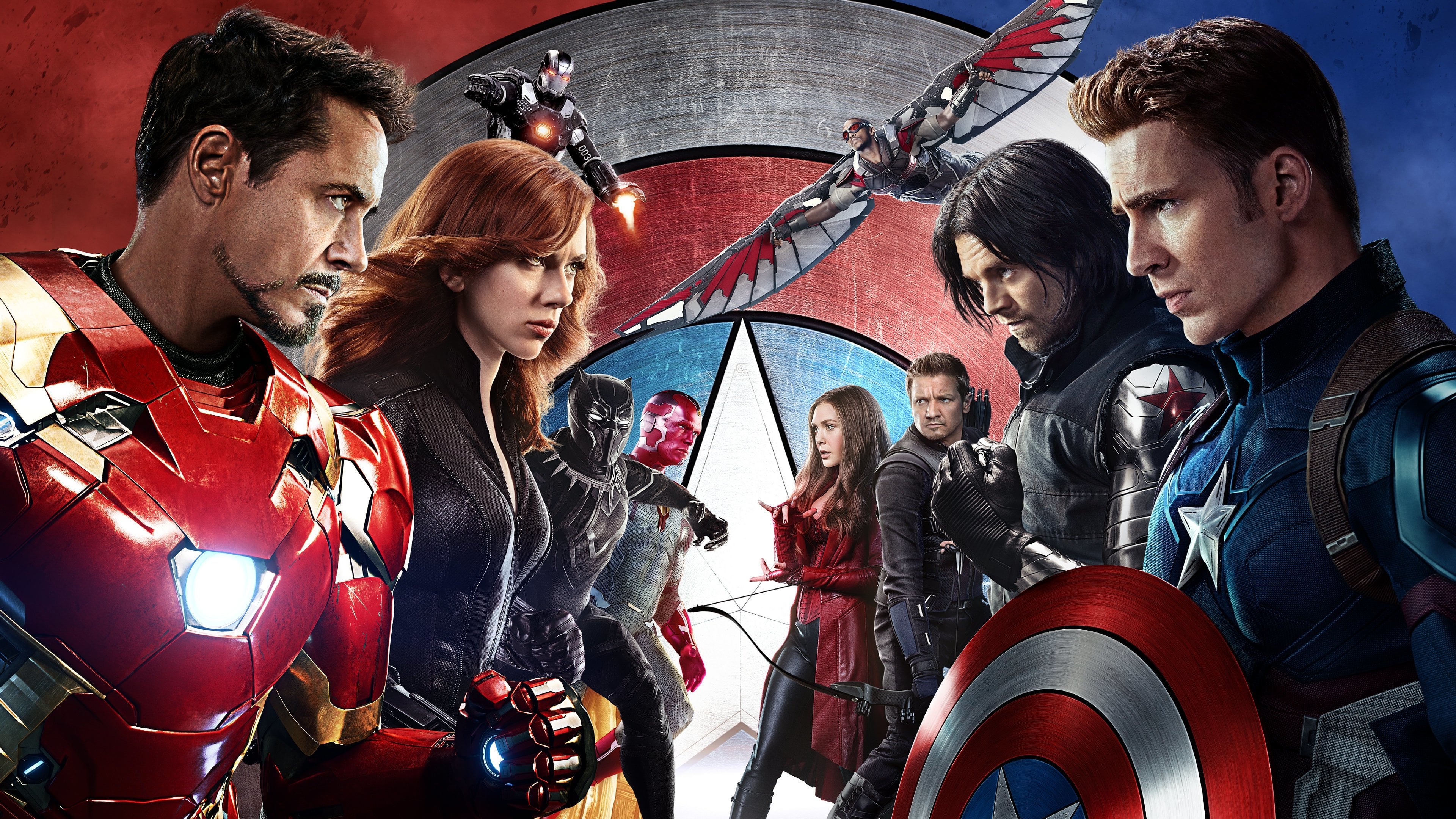
I was struck by how the famous airport battle manages to balance twelve distinct characters without losing spatial coherence. I analyzed the blocking and realized that the directors treat the sequence like a comic book splash page come to life. The use of the Alexa 65 IMAX cameras provides a massive canvas that allows for complex wide shots where multiple narratives unfold simultaneously. I found that the decision to set this conflict against a drab and grey concrete background was a stroke of genius because it allows the vibrant primary colors of the costumes to pop and ensures that the action remains readable amidst the chaos.

The Lighting of Betrayal
A critical review of the final act reveals a deliberate contraction of scale that is mirrored by the lighting design. I observed that the film transitions from the bright daylight of the airport to the oppressive and low key darkness of the Siberian bunker. I analyzed the fight between Iron Man and Captain America and noticed that the scene is lit primarily by the practical light of the suit repulsors and the sparks of the shield. This visual storytelling technique isolates the characters in a void of shadows which emphasizes that this is no longer a global conflict but a tragic domestic dispute. The flickering light on the face of Tony Stark visually represents his fracturing mental state.

The Flickle Visual Score
9.2/10 I am awarding this score for the masterful balancing act of the ensemble cast through precise blocking and for the gritty stunt work that redefined the action vocabulary of the Marvel Cinematic Universe.
If you think you have the eye to spot the specific trigger words in the red book then test your skills in our daily movie puzzle game at Flickle.

Read Next


Mastered the Frame?
Test your visual memory and see if you can guess this movie in 6 frames.
Solve Today's Puzzle