Edward Scissorhands Analysis: Tim Burton’s Suburban Fairytale
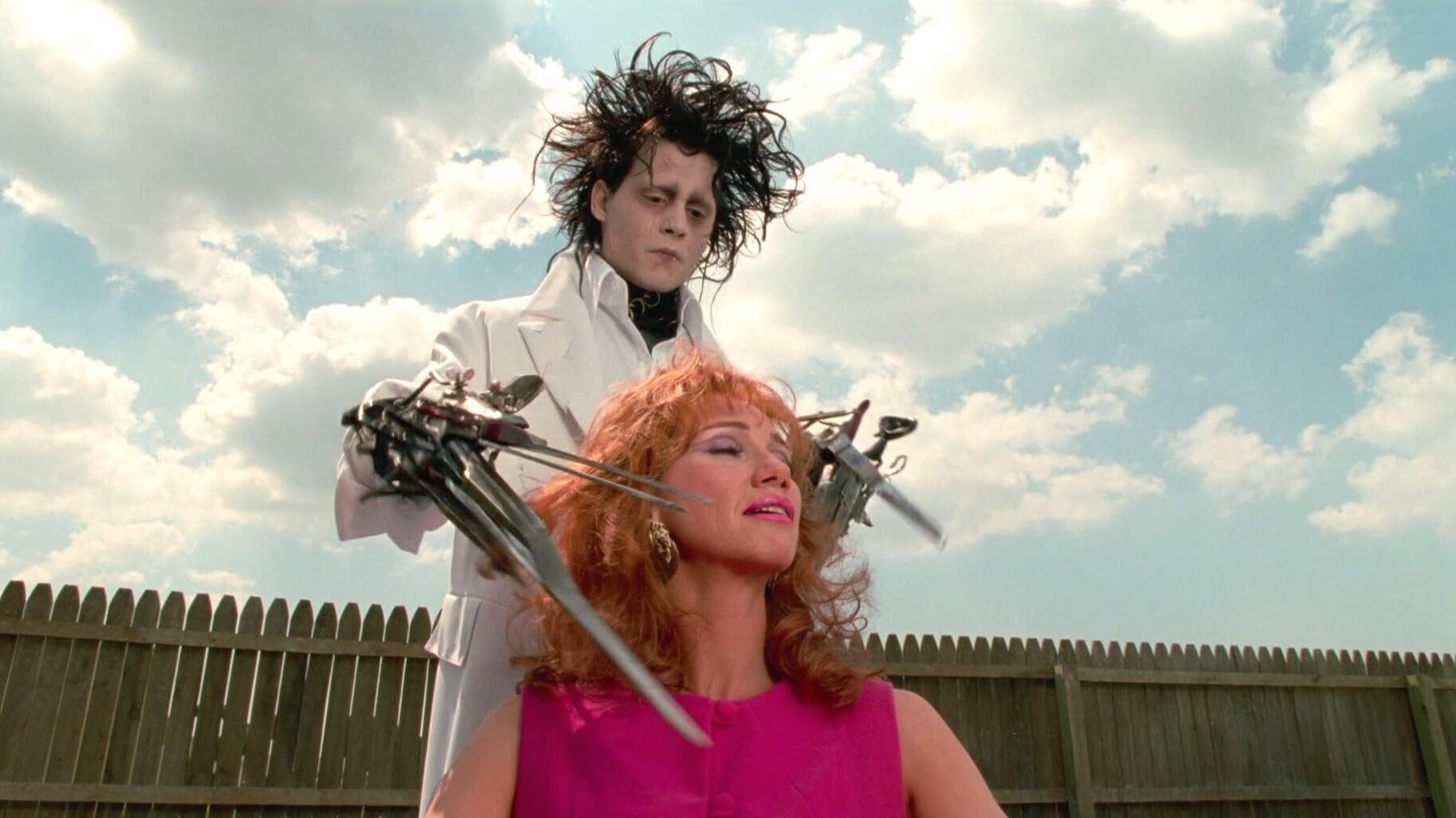
Back in 1990, director Tim Burton created a gorgeously tragic modern fairytale that completely defined the gothic romance genre. You follow Edward, played with heartbreaking innocence by Johnny Depp, as an artificial youth with scissor blades for hands who gets taken in by a cheerful Avon saleswoman. Co starring Winona Ryder as his sympathetic teenage crush Kim, this incredibly stylized fantasy remains an absolute masterpiece that I always recommend to anyone looking for a visually stunning emotional ride. It throws you right into a surreal pastel neighborhood while asking profound questions about conformity and the fear of the unknown. Looking beneath the quirky topiary sculptures and colorful houses exposes the actual mechanics of the script. A structural analysis reveals that every seemingly spontaneous argument between the gentle outcast and the terrified suburbanites is carefully timed to mirror their deeply rooted, inescapable similarities.
The Visual Style and Cinematography of Suburbia
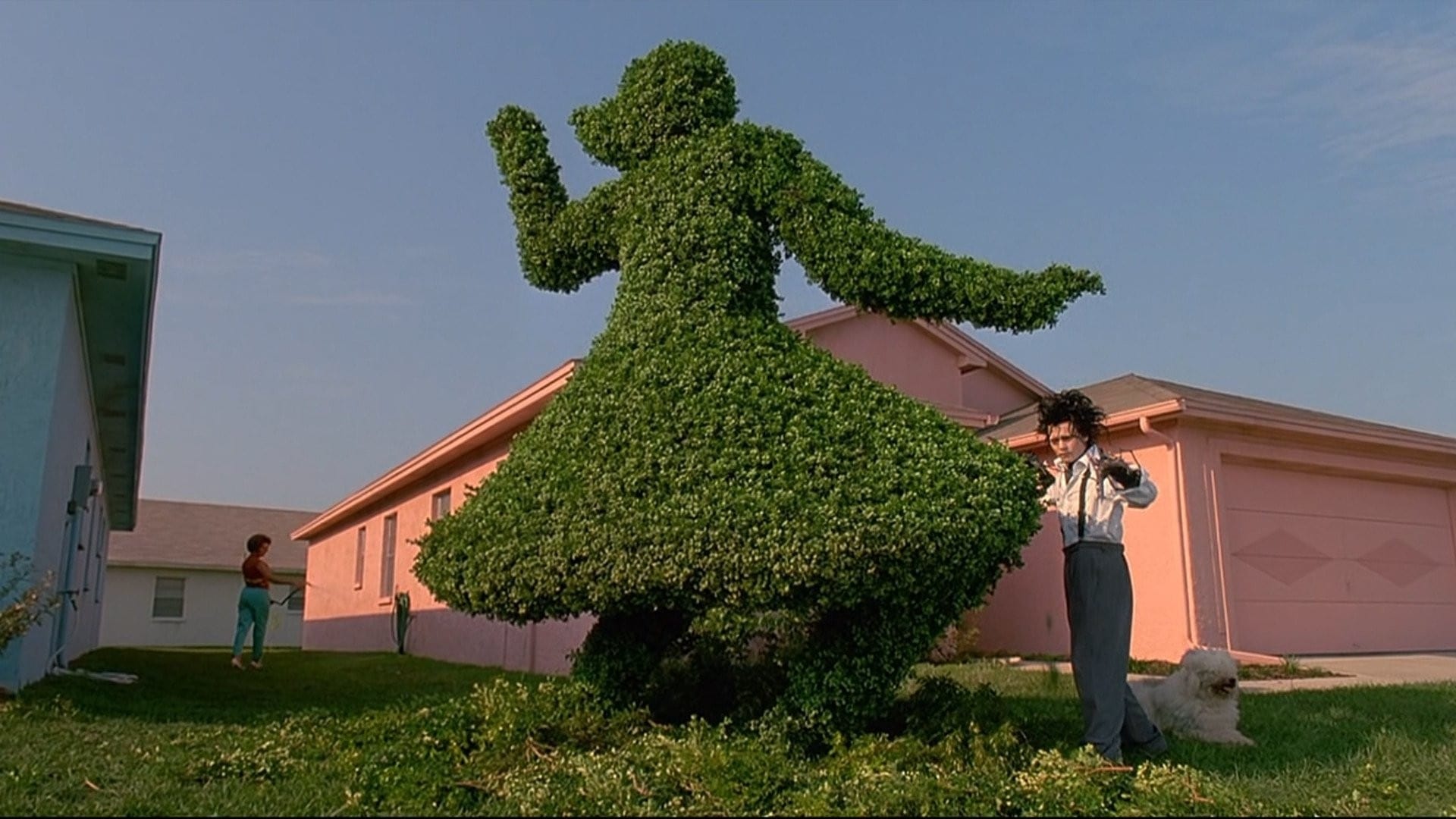
For the visual aesthetic, cinematographer Stefan Czapsky heavily leans into a deeply saturated and aggressively cheerful color scheme for the neighborhood. You instantly notice how the immaculate front lawns and matching pastel cars look like a perfect vintage magazine spread bathed in warm sunlight. I do have to admit that the lighting choices become genuinely frustrating whenever the characters enter the dark gothic mansion on the hill during the climax. Hiding the actors in overly murky shadows makes those crucial emotional conversations look incredibly washed out instead of properly atmospheric. Stepping back into the bright sunshine of the neighborhood thankfully restores a striking visual clarity. Visually softening the brutal reality of social rejection, the candy colored grading also reflects a desperate wish by the community to pretend everything is absolutely perfect.

Production Design and the Architecture of Conformity
Pay close attention to the set design and you will see how the physical environments are built to completely enforce strict social boundaries. The chaotic interior of the gothic castle feels incredibly authentic because the massive dusty machinery and strange inventions perfectly match a lonely creator. Visiting the cookie cutter home of the Boggs family leaves a completely different impression entirely, as those perfectly aligned floral sofas come off almost like a sterile and terrifying fortress of normalcy. My biggest complaint actually centers on the local television studio sequences because the blank walls look a bit too cheap and theatrical for a supposedly busy local broadcast. Still, forcing these opposing worlds to constantly bump elbows in tight suburban living rooms makes their mounting tension feel very tangible.

Sound Design and the Editing Pacing
To truly understand the whimsical sorrow of this story, you have to listen to the incredibly beautiful choral arrangements in the background. My ears constantly pick up the heavy metallic snipping of scissor blades blending right into the suffocating quiet of a suburban afternoon. Throughout the most intense confrontation sequences, the editing moves at a bizarrely relaxed pace that perfectly mimics the slow realization of impending tragedy. Danny Elfman composed an undeniably iconic orchestral score, yet it occasionally threatens to make the dramatic mob chase feel a little too much like a lightweight cartoon. Hearing the heavy clatter of sharp blades nervously clicking together actually grounds the terrifying social stakes.

Frequently Asked Questions About Edward Scissorhands
Before we get to the final rating, let us clear up some common mysteries surrounding this gothic classic.
Where was the pastel neighborhood actually filmed? The production crew completely repainted a real housing development in the town of Lutz, Florida, turning an ordinary suburb into a surreal pastel wonderland for the shoot.
Is the story based on a book? No, the narrative is an original concept that actually originated from a single childhood drawing created by Tim Burton when he felt isolated growing up in suburban California.
Who else was considered for the main role? Studio executives originally wanted massive action stars like Tom Cruise to play the lead, but the director fought hard to cast someone who could project quiet vulnerability instead of traditional heroism.

The Flickle Visual Score: 9.2/10
The incredible central performance and the gorgeously weird atmosphere keep me completely hooked, but I cannot ignore how quickly the friendly neighbors turn into a cartoonish angry mob at the end. Certain moments of town panic look so artificially rushed that you practically forget you are watching a deeply layered story about empathy.
Fans of daily puzzles will definitely appreciate the visual details hidden in these gothic sets. If you think you have the eye to spot the dinosaur topiary sculpture in our daily movie guessing game or simply want to guess the game based on visual clues then test your skills at Flickle, which stands out as a fantastic framed alternative for cinephiles. You can also try our movie wordle to prove your ultimate cinema knowledge.

Mastered the Frame?
Test your visual memory and see if you can guess this movie in 6 frames.
Solve Today's Puzzle