Fight Club Deep Dive: David Fincher and the Illusion of Modern Chaos
David Fincher delivered a massive punch to the face of consumer culture back in 1999 with a psychological satire that completely divided audiences upon release. You follow an unnamed Narrator, played with exhausted perfection by Edward Norton, who suffers from chronic insomnia and escapes his hollow corporate existence by forming an underground fight club with a charismatic soap salesman named Tyler Durden, portrayed iconically by Brad Pitt. Co starring Helena Bonham Carter as the chaotic Marla Singer, I always recommend this dark masterpiece to anyone craving a visceral thriller that ruthlessly mocks modern materialism. It throws you right into a grimy world of bare knuckle brawls and domestic terrorism while asking disturbing questions about identity and masculinity. You quickly get swept up in the frantic voiceover narration and the surreal visual humor. When you look beneath the cracked ribs and chemical burns, the actual mechanics of the script become very obvious. A structural analysis reveals that every seemingly spontaneous argument between the desperate office worker and his charismatic mentor is carefully timed to mirror their deeply rooted, inescapable similarities.

The Visual Style and Cinematography of Urban Nihilism
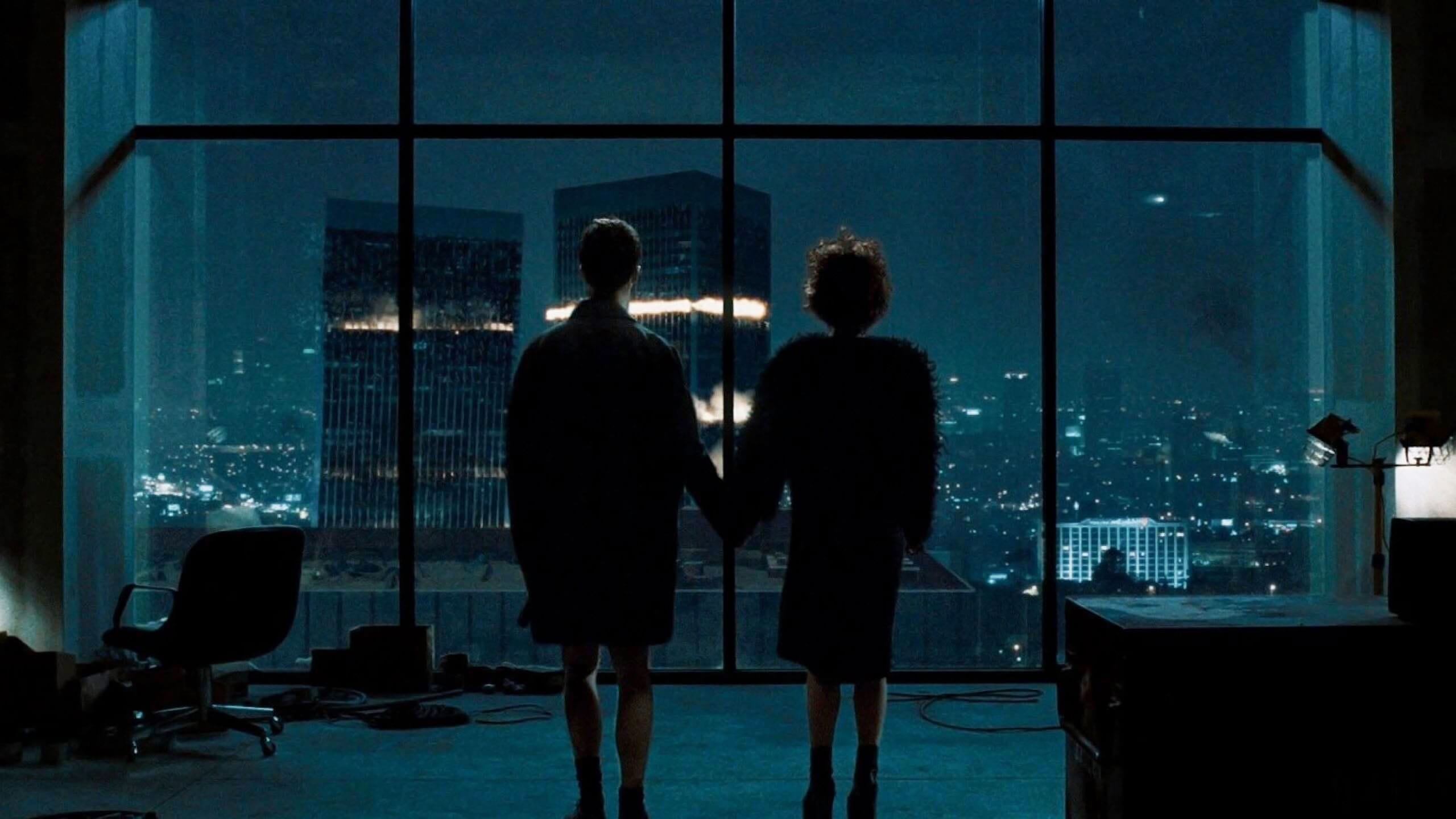
For the visual aesthetic, cinematographer Jeff Cronenweth relies heavily on a deeply saturated and incredibly sickly greenish yellow color scheme. You instantly notice how the bland corporate cubicles and generic condo hallways look like a depressing sterile hospital bathed in harsh fluorescent lights. I do have to admit that the lighting choices become genuinely frustrating whenever the characters explore the dark basement of the dive bar during the late night fights. Placing the actors in overly murky shadows makes those crucial physical brawls look a bit too muddy instead of properly raw. A return to the flickering light of the decaying mansion on Paper Street thankfully restores a striking, terrifying visual clarity. Visually softening the brutal reality of physical self destruction, the grungy analog color grading also reflects a desperate wish to wake up from a numbing capitalist routine.

Production Design and the Architecture of Decay
Pay close attention to the set design and you will see how the physical environments are built to completely contrast consumer perfection with absolute chaos. The chaotic interior of the Paper Street house feels incredibly authentic because the peeling wallpaper, leaking pipes, and rusted kitchen fixtures perfectly match a man stripping away every trace of modern comfort. A visit to the pristine high rise apartment belonging to the Narrator early in the film leaves a completely different impression entirely, as those perfectly aligned designer furniture pieces come off almost like a sterile furniture catalog prison. My biggest complaint actually centers on the secret bomb making workshops because the chemical equipment looks a bit too clean and theatrical for a ragtag underground militia. Still, forcing these sweaty men to constantly bump elbows in tight basement fighting circles makes their mounting psychological fanaticism feel very tangible.
Sound Design and the Editing Pacing
To truly understand the visceral impact of each punch, you have to listen to the incredibly dense pockets of squishy, bone crunching audio effects crafted for the fights. My ears constantly pick up the heavy thud of fists hitting wet meat and the sharp crack of shattering ribs blending right into the hum of a buzzing neon light. Throughout the most intense psychological breakdowns, the editing moves at a bizarrely relentless pace that heavily relies on rapid flash cuts and fourth wall breaking camera movements. The electronic score composed by The Dust Brothers is undeniably addictive, yet it occasionally threatens to make the dramatic domestic terror sequences feel a little too much like an energetic underground party. The loud metallic clatter of a shattered coffee table hitting the floor actually grounds the extravagant psychological premise.

Frequently Asked Questions About Fight Club
Before we get to the final rating, let us clear up some common mysteries surrounding this cult classic.
Is Fight Club based on a book? Yes, the entire screenplay is an adaptation of the debut novel written by Chuck Palahniuk, published in 1996 after he got into a real fist fight during a camping trip.
What are those single frame flashes throughout the movie? Director David Fincher intentionally spliced four distinct single frames of Tyler Durden into the first act before the character officially meets the Narrator, foreshadowing his mental presence in the protagonist's subconscious.
Where was the decaying Paper Street house located? The production crew could not find a real house that matched the decaying gothic aesthetic, so they built the entire exterior and interior structure from scratch on an industrial lot in San Pedro, California.

The Flickle Visual Score: 9.6/10
The incredible central performances and the razor sharp social commentary keep me completely hooked, but I cannot ignore how easily the surface level violence can be misunderstood by casual viewers. Certain plot mechanics in the third act move so aggressively fast that you practically have to strain your brain to verify the temporal logic of the big reveal.
Fans of deep movie trivia will definitely appreciate the hidden visual clues and background easter eggs scattered throughout these grimy city streets. If you think you have the eye to spot the single frame subliminal images in our daily movie guessing game or simply want to guess the game based on visual clues then test your skills at Flickle, widely celebrated as the best framed alternative for cinema lovers. You can also try our daily movie wordle to prove your ultimate movie knowledge.


Mastered the Frame?
Test your visual memory and see if you can guess this movie in 6 frames.
Solve Today's Puzzle