Lawrence of Arabia: The Geometry of Isolation
I distinctly remember watching a restored 70mm print of Lawrence of Arabia and realizing that modern cinema has completely forgotten how to use emptiness. While most directors today fill every inch of the frame with CGI clutter I found that David Lean has the confidence to let the screen remain barren. My analysis suggests that this film is not actually about a war hero but about the crushing weight of a landscape that refuses to be tamed.

Super Panavision and The Use of Negative Space
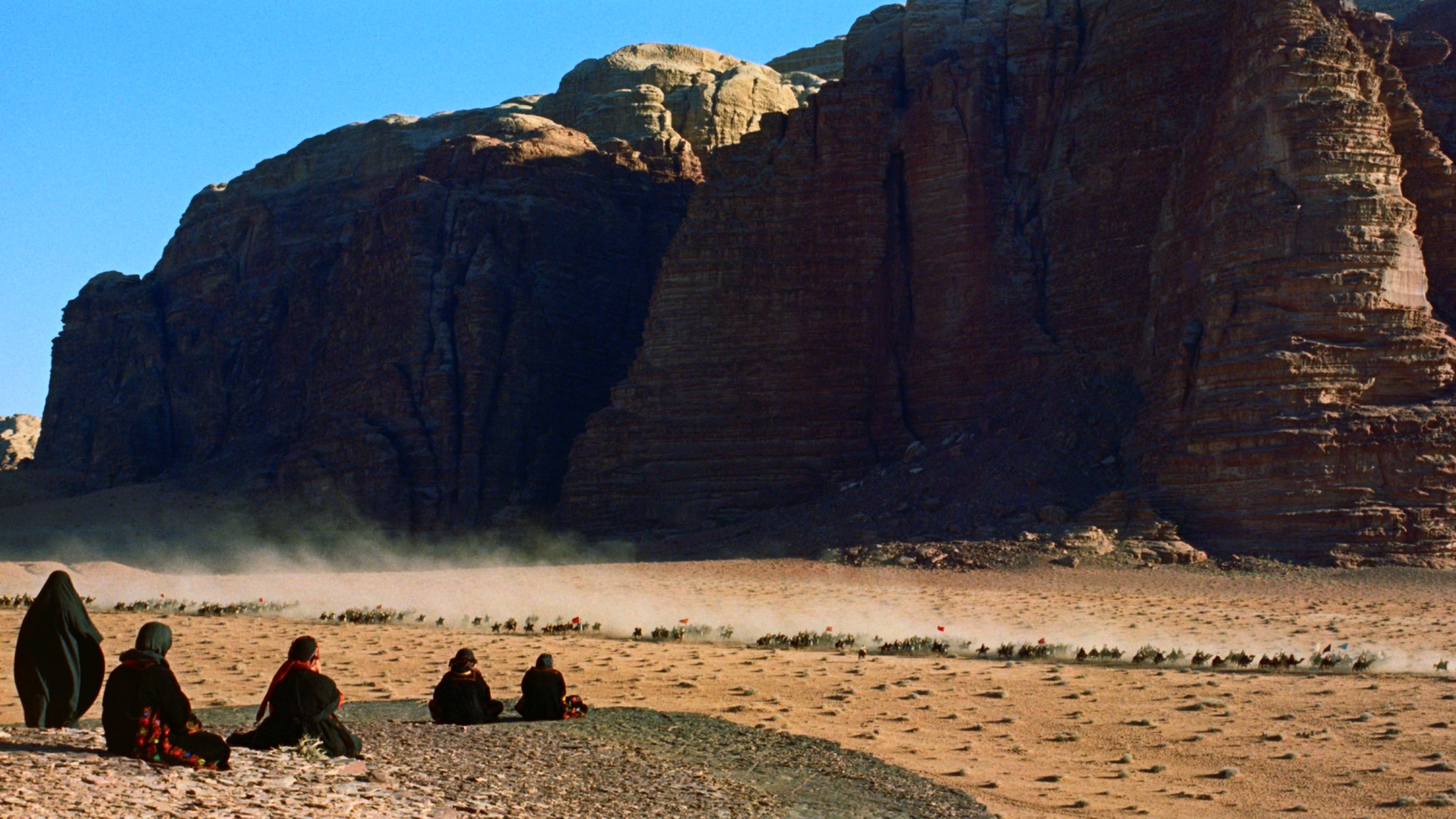
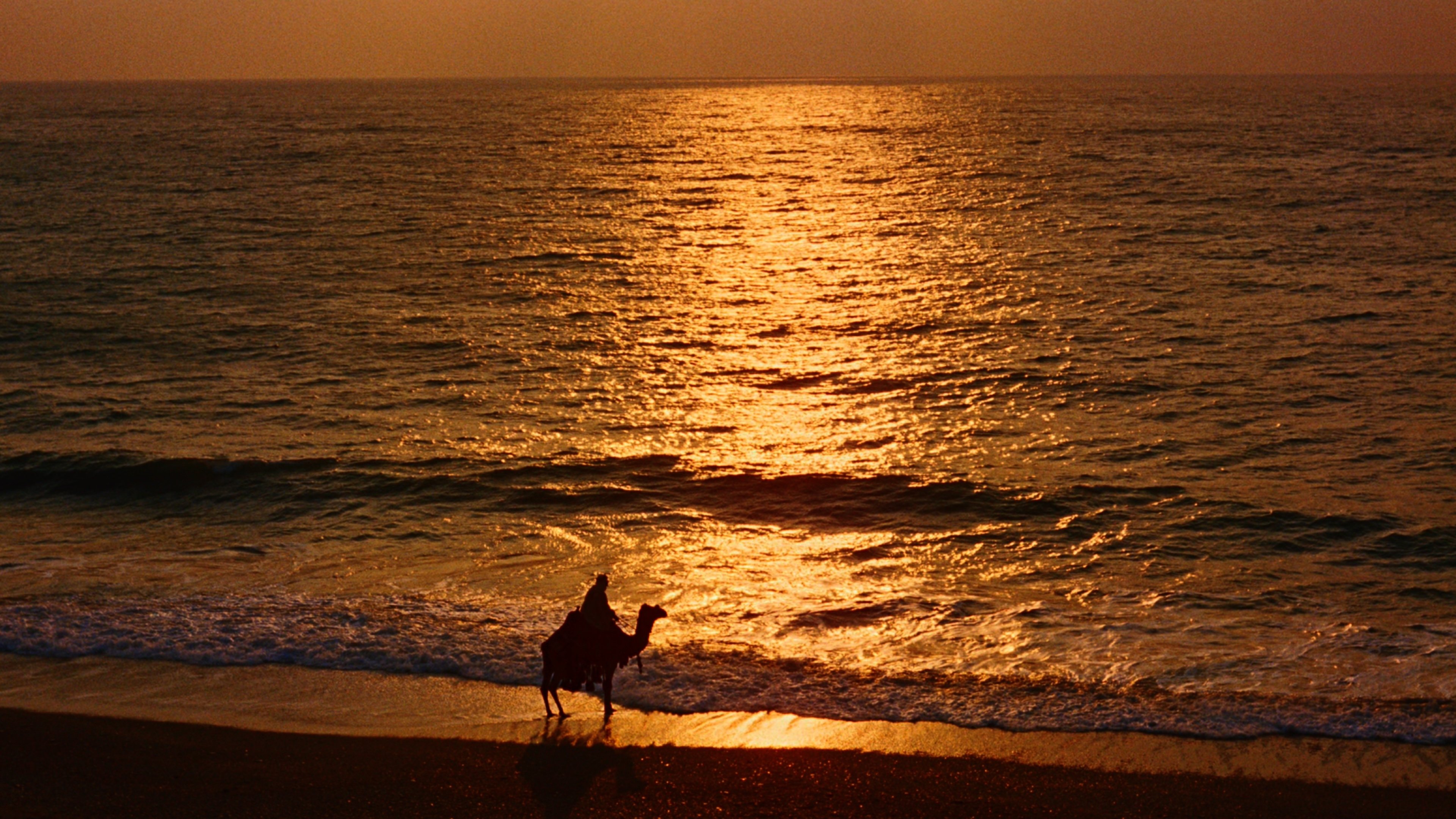
When I studied the cinematography by Freddie Young I was struck by his relentless use of negative space. The filmmakers utilized Super Panavision 70 cameras to capture a horizon that feels infinite. I noticed that the characters are frequently framed at the very bottom of the screen which leaves the upper two thirds dominated entirely by the sky or massive sand dunes. This specific visual aesthetics choice minimizes the human element and visually enforces the plot analysis that T.E. Lawrence is insignificant compared to the desert. The wide angle lenses do not just show us the location but they dwarf the protagonist and isolate him in a sea of nothingness.

The Associative Cut and Narrative Tempo
A critical review of the editing reveals one of the most technically perfect transitions in film history. I am referring to the famous moment where Lawrence blows out a match and the editor Anne V. Coates cuts directly to the rising sun over the desert. When I broke this down frame by frame I saw that it is more than just a clever trick. This associative cut compresses time and geography in an instant which propels the narrative structure forward without needing a single line of exposition. It links the small flame of Lawrence’s vanity to the blazing sun of the environment that will eventually consume him.
Costume Evolution as Character Arc
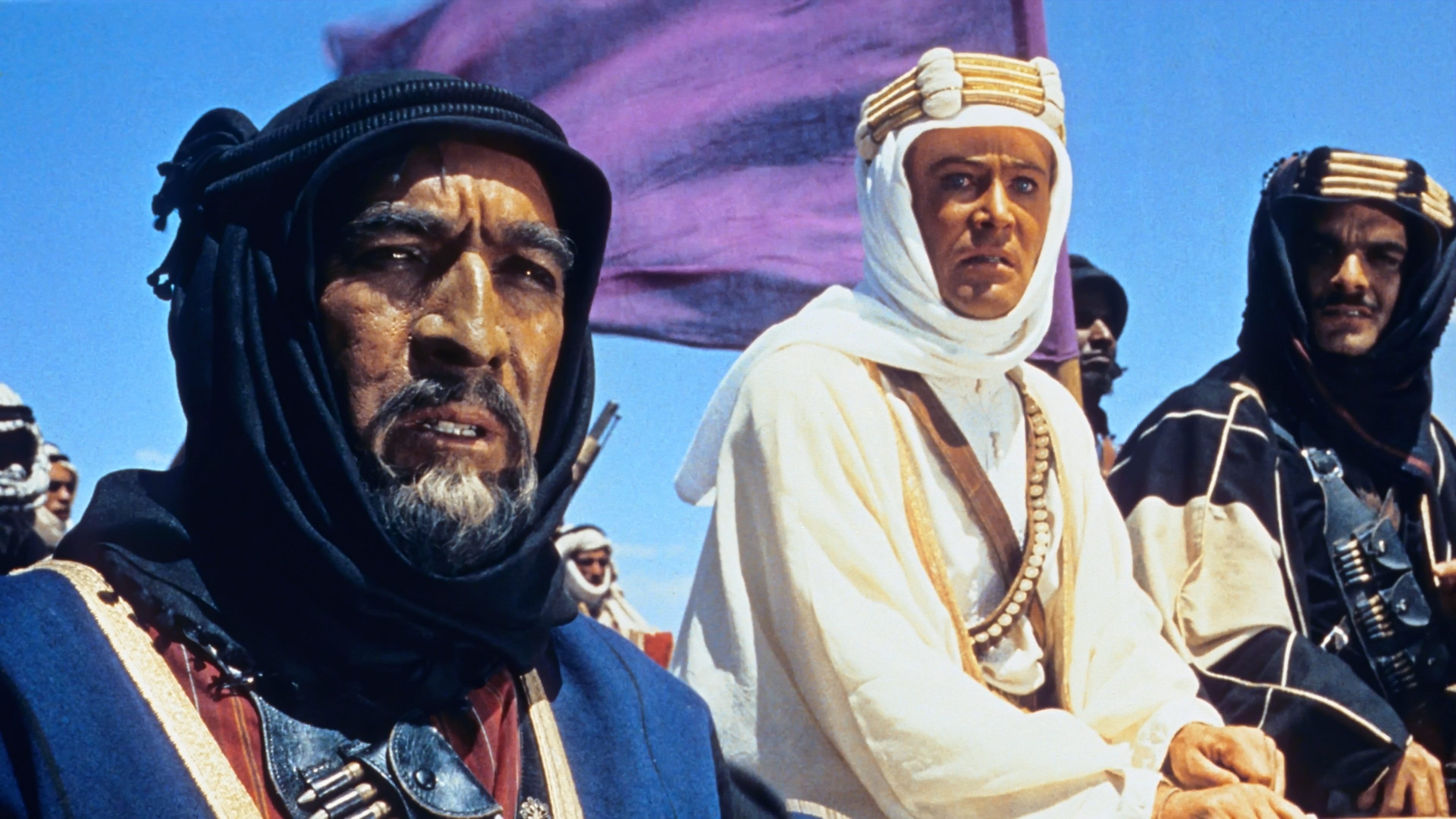
The production design and costume choices offer a fascinating character study through fabric and color. I observed that Lawrence begins the film in the stiff and restrictive khaki of the British military which blends him in with his superiors. As he embraces the desert his wardrobe shifts to flowing white robes that catch the wind and reflect the harsh sunlight. This symbolism is critical because the bright white fabric makes him a visual beacon in battle scenes. I noticed that hidden details in the fabric quality change as his ego grows and he begins to view himself as a messianic figure. He literally becomes the brightest object in the frame which draws every eye and every bullet toward him.

The Flickle Visual Score
10/10 – I am awarding this a perfect score for the technical mastery of the "mirage shot" where a custom 482mm telephoto lens was used to capture Omar Sharif emerging from the heat haze which is a feat of focus pulling that has never been equaled.
If you think you have the eye to appreciate these epic technical details then test your skills in our daily movie puzzle game at Flickle.
Mastered the Frame?
Test your visual memory and see if you can guess this movie in 6 frames.
Solve Today's Puzzle