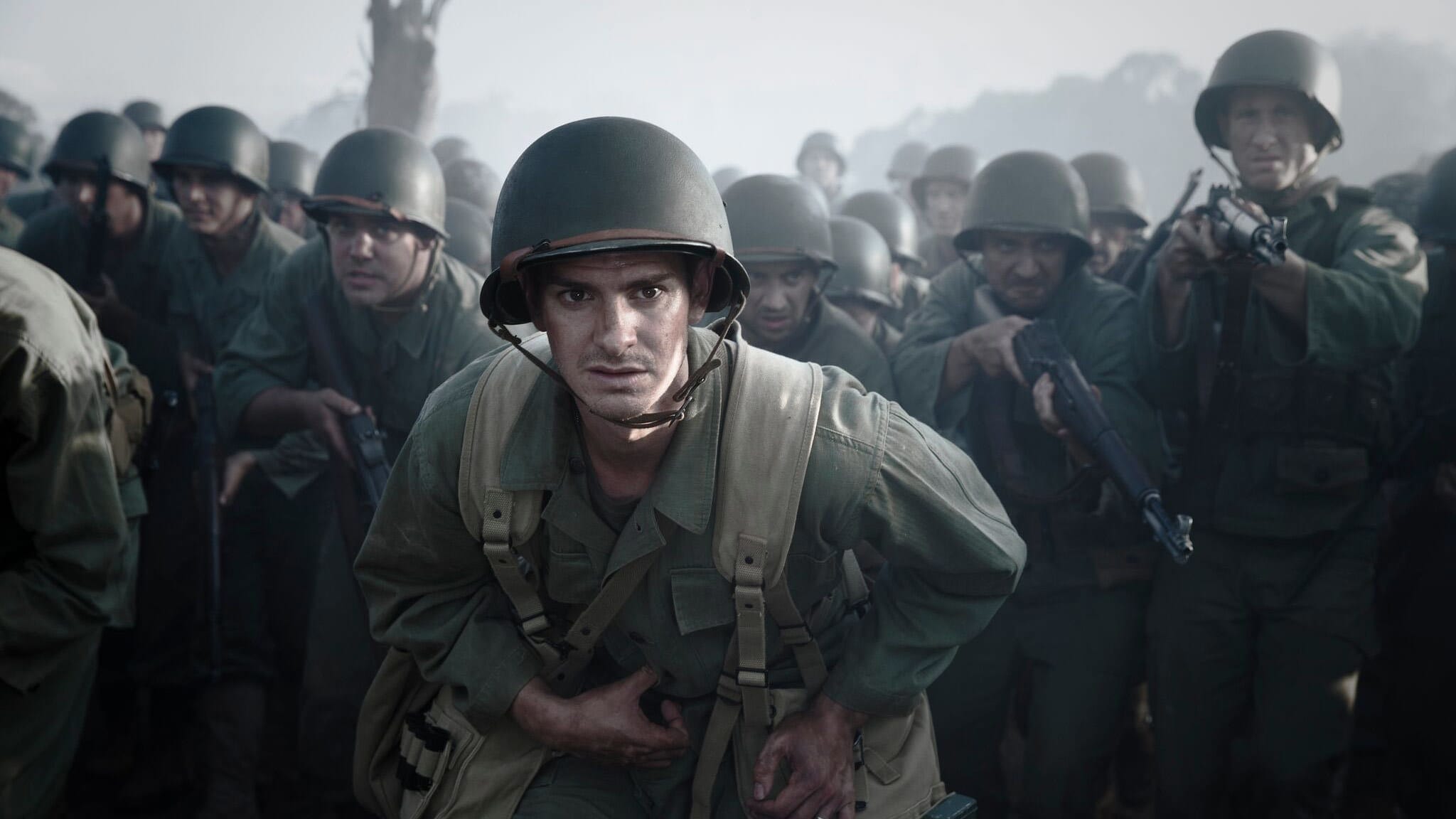
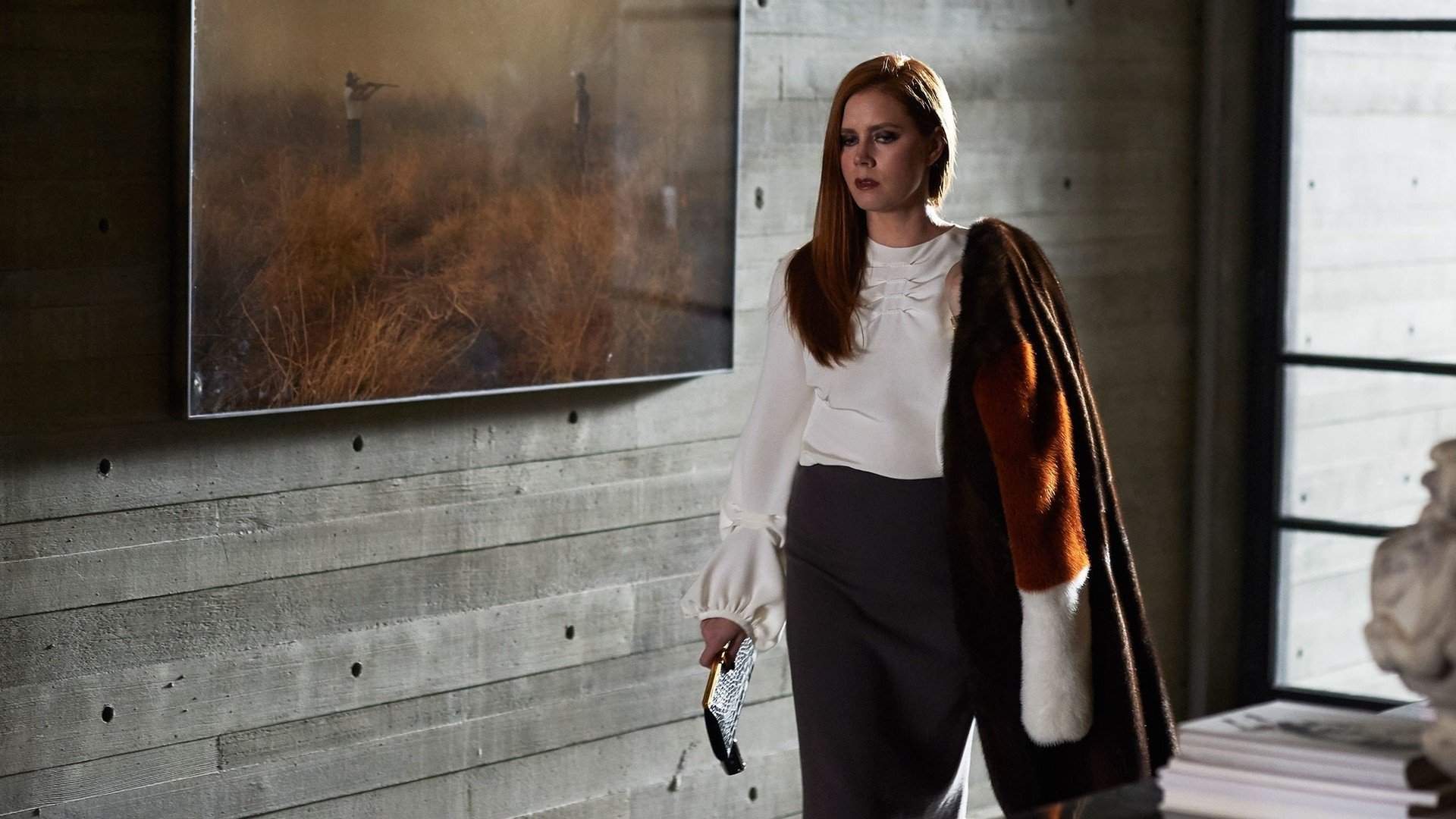
Mad Max: Fury Road: The Opera of Gasoline and Dust
I admit that I thought the action genre was stagnant until I witnessed the kinetic fury of this film. Mad Max: Fury Road is not merely a chase movie but a visual symphony where the engines provide the rhythm. My analysis suggests that George Miller stripped away every unnecessary line of dialogue to create a pure cinema experience. It relies entirely on motion and visual cues to convey the narrative which makes it a masterclass in silent storytelling that happens to be very loud.
Center Framing and Eye Trace
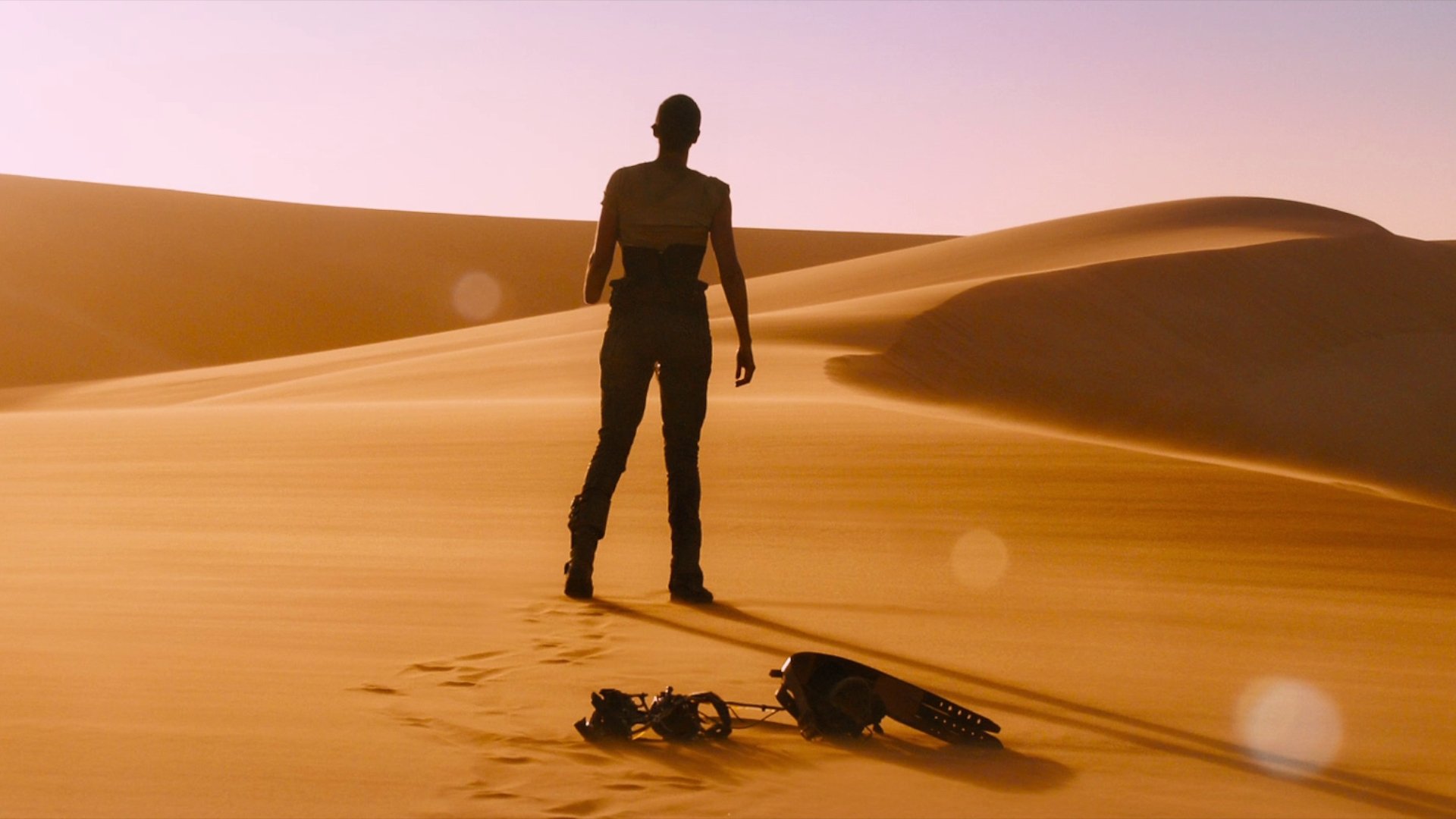
The cinematography by John Seale utilizes a specific technique known as "center framing" or "crosshair framing" to maintain clarity in the chaos. I noticed that he keeps the primary subject in the dead center of the lens during the most frenetic sequences. This visual aesthetics choice allows the editor to cut rapidly without confusing the audience. I found that my eyes never had to search the screen for the action because the film literally aims the camera like a weapon. This discipline keeps the spatial geography coherent even when the vehicles are moving at impossible speeds.

The Saturated Apocalypse
A critical review of the color grading reveals a bold rejection of the desaturated and grey look that defines most post apocalyptic films. I observed that the desert is rendered in rich and violent oranges while the sky is a piercing teal. This chromatic contrast makes the wasteland feel scorching hot and alive rather than dead. I was particularly struck by the "day for night" sequences which use a monochromatic blue palette. This choice gives the night scenes a mythical and graphic novel quality that elevates the struggle for survival into something operatic.

Practical Gravity and Physicality
I was awed by the tactile weight of the production design because almost everything on screen is physically real. I analyzed the "Pole Cat" sequence and realized that the reliance on practical stunts creates a sense of danger that computer generated imagery cannot mimic. The plot analysis is embedded in the vehicles themselves as each car functions as an extension of the character driving it. The distinct silhouettes of the War Rig and the Doof Wagon allow the viewer to track the strategy of the battle instantly. The physics of the film feels heavy and consequential because the metal is actually twisting and breaking.

The Flickle Visual Score
10/10 – I am awarding this perfect score for the revolutionary use of center framing which solved the problem of "shaky cam" in action cinema and for the audacious color palette that turned the wasteland into a vibrant nightmare.
If you think you have the eye to spot the guitar flamethrower before the beat drops then test your skills in our daily movie puzzle game at Flickle.

Mastered the Frame?
Test your visual memory and see if you can guess this movie in 6 frames.
Solve Today's Puzzle