Once Upon a Time in America: The Architecture of Memory
I admit that I expected a traditional gangster epic but Sergio Leone delivered a haunting meditation on regret. Once Upon a Time in America is not a simple crime story. I found that it is a masterclass in temporal manipulation where the past bleeds into the present through opium smoke. My analysis suggests that the film succeeds because it treats memory as an unreliable and devastating force.

The Palette of Time
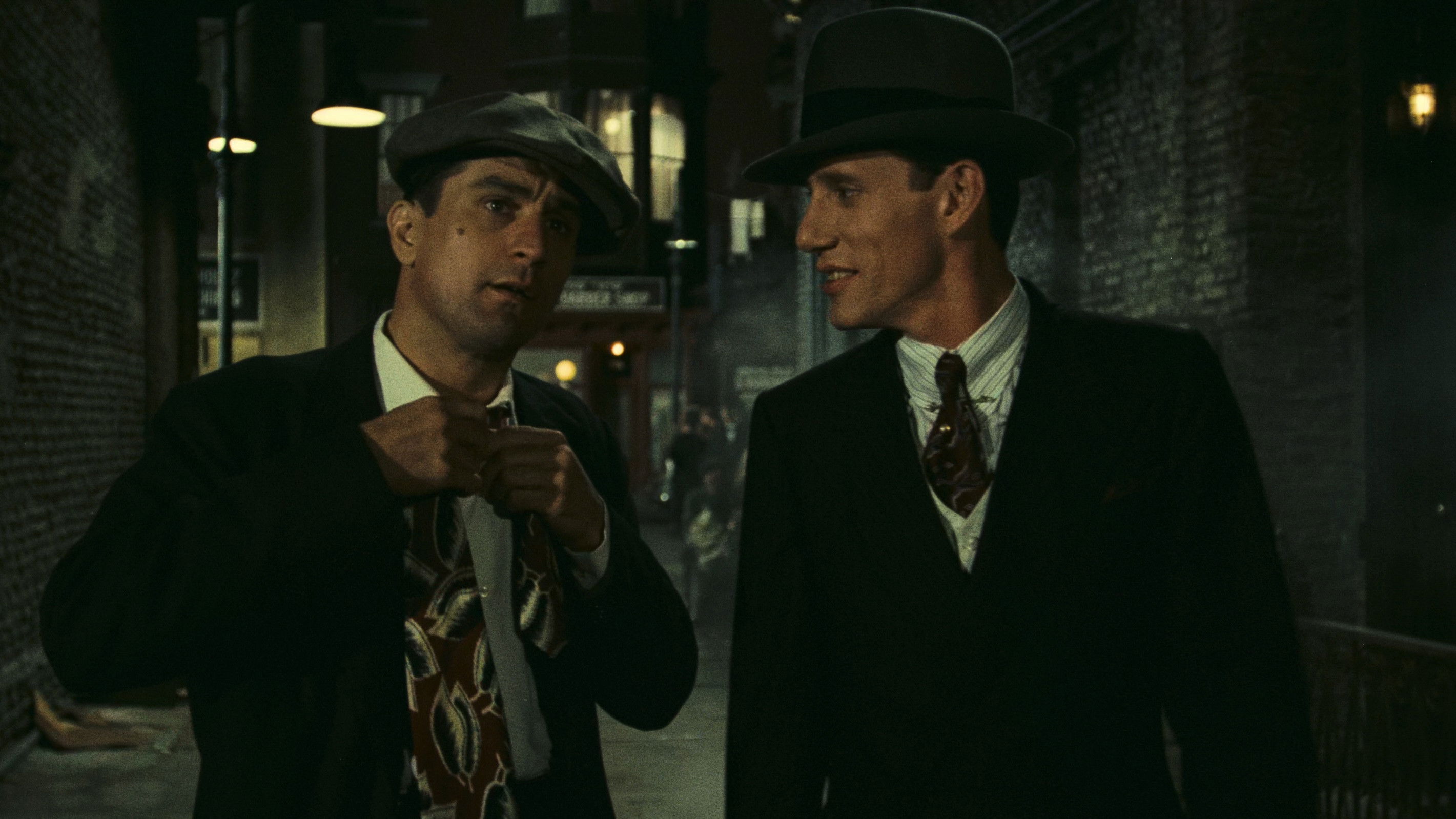
The cinematography by Tonino Delli Colli utilizes a warm sepia tone to romanticize the childhood sequences in the Lower East Side. Lighting frequently casts long shadows across the faces of aging mobsters to emphasize their accumulated guilt. This visual aesthetics choice creates a stark contrast with the harsh clinical fluorescent lights of the modern era. I observed that the camera often lingers on reflective surfaces like mirrors or windows to visually trap the protagonist within his own memories.

The Geometry of Regret
The editing by Nino Baragli constructs a fragmented narrative through incredible match cuts that bridge decades in a single frame. Transition sequences rely heavily on the ringing of a telephone to anchor the audience during massive temporal shifts. This visual storytelling technique blurs the line between reality and the opium induced hallucinations of the protagonist. I found that the pacing deliberately slows down during the final act to stretch the agony of a lifetime of betrayal into a single agonizing smile.

The Acoustic Melancholy
A critical review of the sound design reveals a brilliant use of recurring auditory motifs to haunt the characters. Foley work isolates specific childhood sounds like a dropped pocket watch to trigger devastating emotional flashbacks. The score by Ennio Morricone employs haunting pan flutes and sweeping strings to generate an overwhelming sense of loss rather than triumphant criminal glory. I noticed that ambient street noise is frequently muted during pivotal confrontations to isolate the characters in their personal tragedies.

The Flickle Visual Score
9.7/10 I am awarding this score for the flawless manipulation of time and for creating the ultimate cinematic elegy to lost youth.
If you think you have the eye to spot the pocket watch then test your skills in our daily movie puzzle game at Flickle.


Mastered the Frame?
Test your visual memory and see if you can guess this movie in 6 frames.
Solve Today's Puzzle