Oppenheimer Deep Dive: Christopher Nolan and the Atomic Age
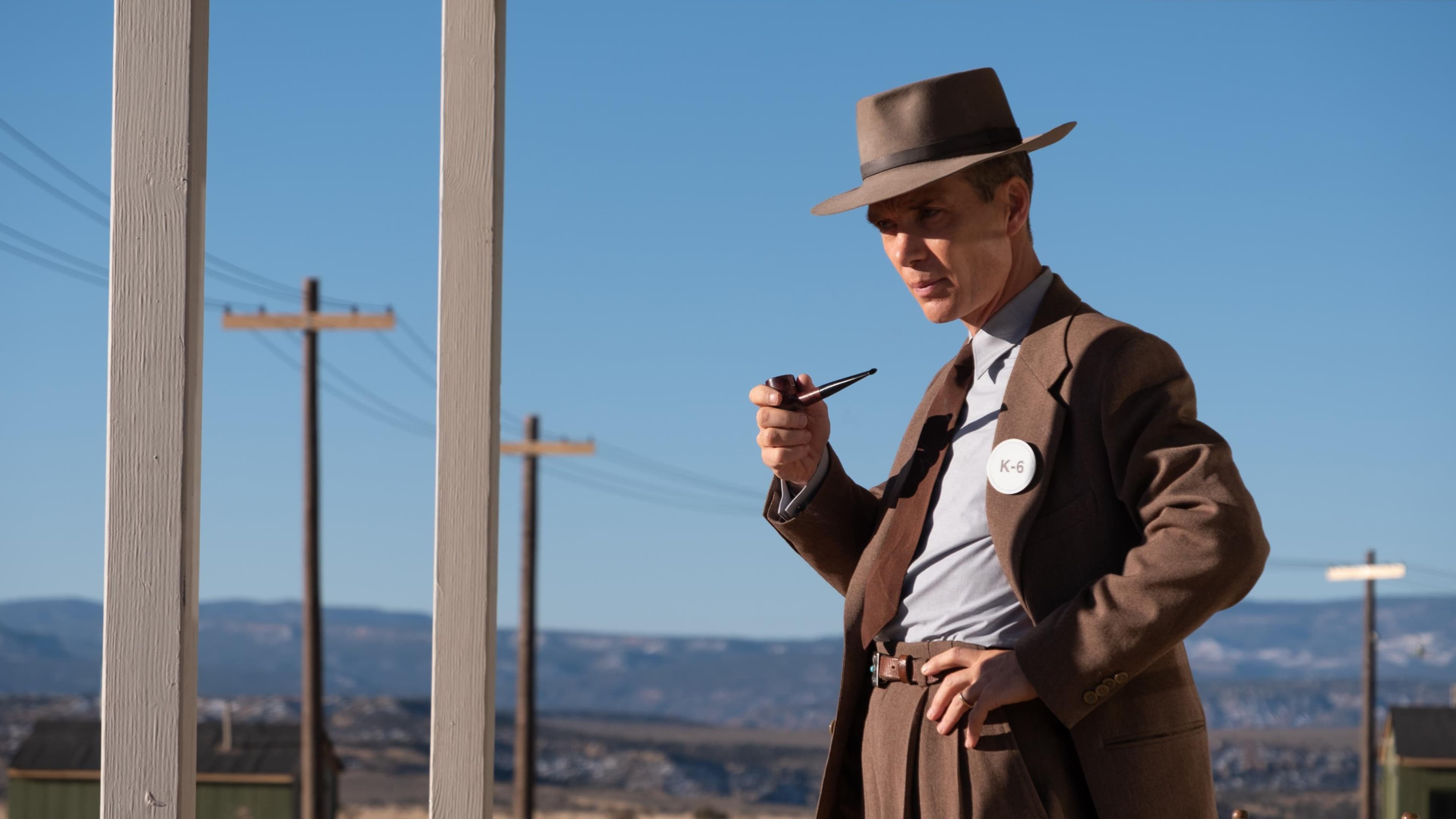
Christopher Nolan completely redefined the historical biopic back in 2023 by treating the creation of the atomic bomb like a terrifying psychological thriller. You follow Cillian Murphy giving an absolutely hypnotic performance as J. Robert Oppenheimer, the brilliant theoretical physicist tasked with leading the top secret Manhattan Project. Co starring Robert Downey Jr. as the calculating politician Lewis Strauss and Emily Blunt as the fiercely loyal Kitty Oppenheimer, I always recommend this three hour epic to anyone looking for a masterclass in cinematic tension. It throws you right into the frantic race to build the ultimate weapon while asking devastating questions about scientific responsibility and global destruction. You quickly get swept up in the intense government hearings and the blinding theoretical physics sequences. Looking beneath the vintage suits and chalkboard equations exposes the actual mechanics of the script. A structural analysis reveals that every seemingly spontaneous argument between the conflicted scientist and the vindictive politician is carefully timed to mirror their deeply rooted, inescapable similarities.

The Visual Style and Cinematography of the Quantum World
For the visual aesthetic, cinematographer Hoyte van Hoytema relies entirely on alternating between stark black and white film and incredibly rich color to differentiate subjective and objective perspectives. You instantly notice how the massive IMAX cameras capture every single micro expression on the faces of the actors bathed in harsh practical lights. I do have to admit that the lighting choices become genuinely frustrating whenever the characters conduct closed door security hearings in tiny unventilated offices. Hiding the actors in overly flat bureaucratic shadows makes those crucial indoor conversations look a bit too muddy instead of properly intense. Stepping out into the blinding sunlight of the New Mexico desert thankfully restores a striking, terrifying visual clarity. Visually softening the brutal reality of nuclear fallout, the fiery orange and red color grading during the abstract quantum visions also reflects a desperate wish to contain an uncontrollable force of nature.

Production Design and the Architecture of Los Alamos
Pay close attention to the set design and you will see how the physical environments are built to completely isolate the scientists from the rest of the world. The chaotic interior of the wooden Los Alamos cabins feels incredibly authentic because the scattered papers and empty liquor bottles perfectly match a group of geniuses working under unbearable pressure. Visiting the pristine marble halls of the Senate confirmation hearings leaves a completely different impression entirely, as those perfectly aligned wooden desks come off almost like a sterile cage of political theater. My biggest complaint actually centers on the initial university classrooms because the polished chalkboards look a bit too clean and theatrical for a messy academic environment. Still, forcing these brilliant physicists to constantly bump elbows in tight military bunkers makes their mounting moral panic feel very tangible.

Sound Design and the Editing Pacing
To truly understand the overwhelming guilt of the main character, you have to listen to the incredibly tense pockets of dead silence right before an explosion rocks the theater. My ears constantly pick up the heavy stomping of boots on wooden bleachers and the frantic clicking of Geiger counters blending right into the suffocating atmosphere. Throughout the most intense interrogation sequences, the editing moves at a bizarrely relentless pace that seamlessly jumps across three different decades. Ludwig Göransson composed an undeniably breathtaking orchestral score, yet it occasionally threatens to make the quieter dialogue scenes feel a little too much like an overwhelming sensory assault. Hearing the loud mechanical countdown of the Trinity test actually grounds the extravagant historical premise.

Frequently Asked Questions About Oppenheimer
Before we get to the final rating, let us clear up some common mysteries surrounding this massive blockbuster.
Is Oppenheimer based on a book? Yes, the entire narrative is adapted from the Pulitzer Prize winning biography American Prometheus written by Kai Bird and Martin J. Sherwin.
Did they use computer graphics for the atomic explosion? Director Christopher Nolan famously refused to use digital effects for the Trinity test, opting instead to create a massive practical explosion using real gasoline and magnesium to capture genuine fire on camera.
Why are some parts of the movie in black and white? The color sequences represent Oppenheimer's subjective personal point of view, while the black and white scenes depict the objective historical facts as seen through the strict perspective of Lewis Strauss.

The Flickle Visual Score: 9.8/10
The incredible ensemble cast and the terrifying sound design keep me completely hooked, but I cannot ignore how confusing the multiple timelines become during the first hour. Certain political subplots jump around so aggressively that you practically have to strain your brain to remember who is betraying who.
Fans of a challenging daily game will definitely appreciate the hidden historical details scattered throughout these dusty desert towns. If you think you have the eye to spot the poisoned green apple in our daily movie guessing game or simply want to guess the game based on visual clues then test your skills at Flickle. You can also try our popular movie wordle to prove your ultimate cinema knowledge or play our daily trivia game.


Mastered the Frame?
Test your visual memory and see if you can guess this movie in 6 frames.
Solve Today's Puzzle