Pulp Fiction: The Chronology of Cool
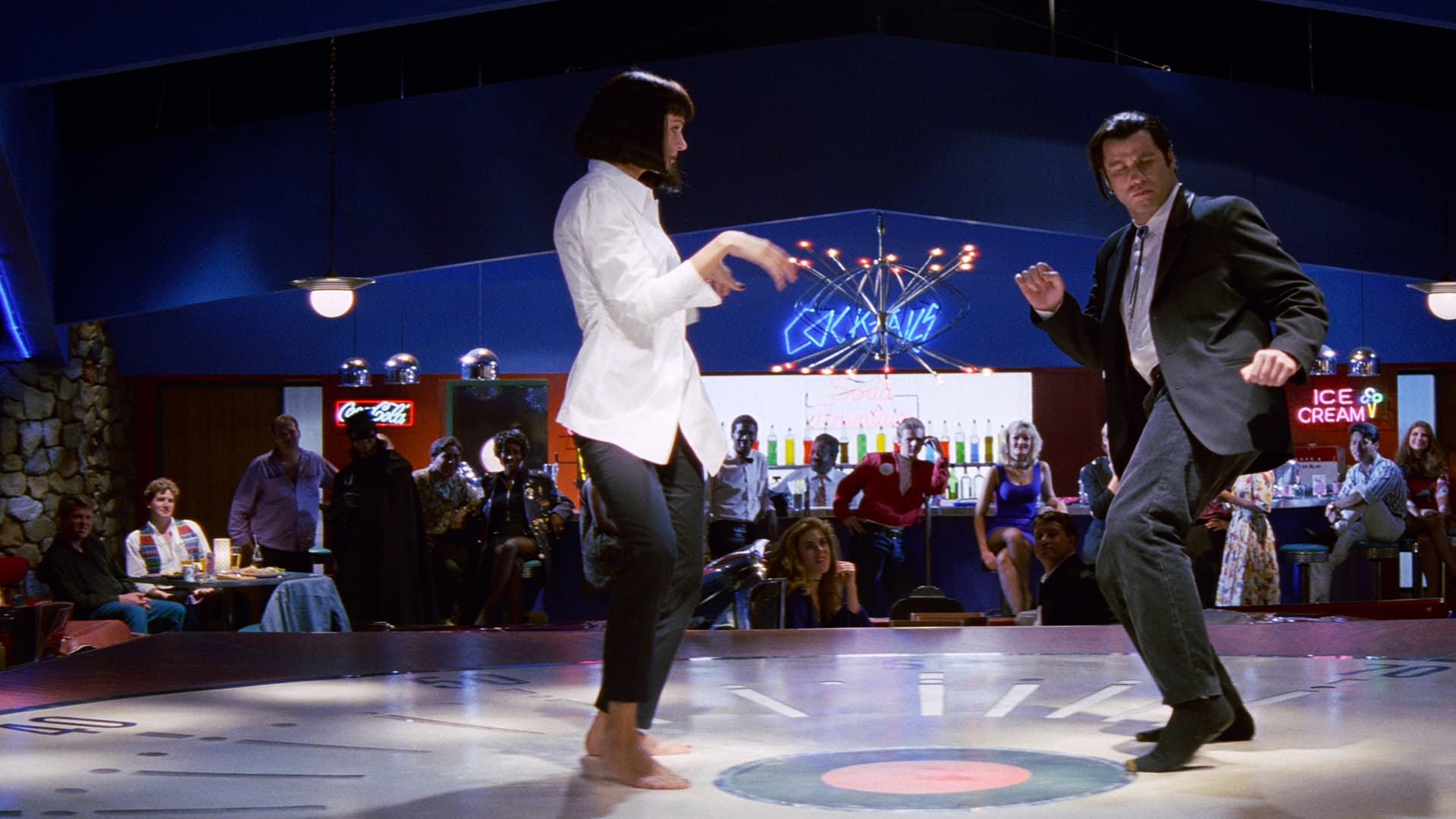
I admit that I viewed the hype around Tarantino with suspicion in 1994 but I was wrong to dismiss the structural brilliance of this film. Pulp Fiction is not just a crime anthology. I found that it is a masterclass in tension where the timeline is fractured to prioritize thematic impact over chronology. My analysis suggests that the film works because it treats the mundane conversations about burgers with the same gravity as a mexican standoff. It forces the audience to piece together the narrative puzzle which turns the viewing experience into an active participation.

The Split Diopter Tension
The cinematography by Andrzej Sekula utilizes the split diopter lens to keep both the foreground and background in sharp focus simultaneously. I noticed that this technique creates a visual tension where two characters share the frame without looking at each other. This visual aesthetics choice allows the director to capture the reaction of the listener with the same clarity as the speaker. I observed that this breaks the traditional rule of rack focus and creates a unique stage like depth where the spatial relationship between the characters becomes a storytelling element in itself.

The MacGuffin and Practical Light
I was struck by the lighting design surrounding the mysterious briefcase. I analyzed the lighting in these sequences and realized that the use of an internal light bulb creates a "face light" effect that isolates the characters from their surroundings. This visual storytelling technique turns a simple prop into a divine object. The golden glow reflects off the faces of John Travolta and Samuel L. Jackson to imply that they are looking at something supernatural or distinct from the gritty reality of the rest of the film. It anchors the chaotic narrative around a single static point of mystery.

The Rhythm of Pop Culture
A critical review of the sound design reveals that the dialogue creates its own musical meter. I listened closely and noticed that the characters often speak in a rhythmic staccato that feels rehearsed rather than naturalistic. The diegetic sound of the radio tracks is carefully selected to comment on the scene rather than just provide background noise. I found that the abrupt cuts in the music when a character turns off a radio or crashes a car serve as violent punctuation marks that jolt the audience out of the hypnotic flow of the conversation.

The Flickle Visual Score
9.8/10 I am awarding this near perfect score for the audacious use of non linear editing that redefined narrative structure for a decade and for the resurrection of the split diopter shot as a tool for building tension.
If you think you have the eye to guess the combination to the briefcase then test your skills in our daily movie puzzle game at Flickle.

Mastered the Frame?
Test your visual memory and see if you can guess this movie in 6 frames.
Solve Today's Puzzle