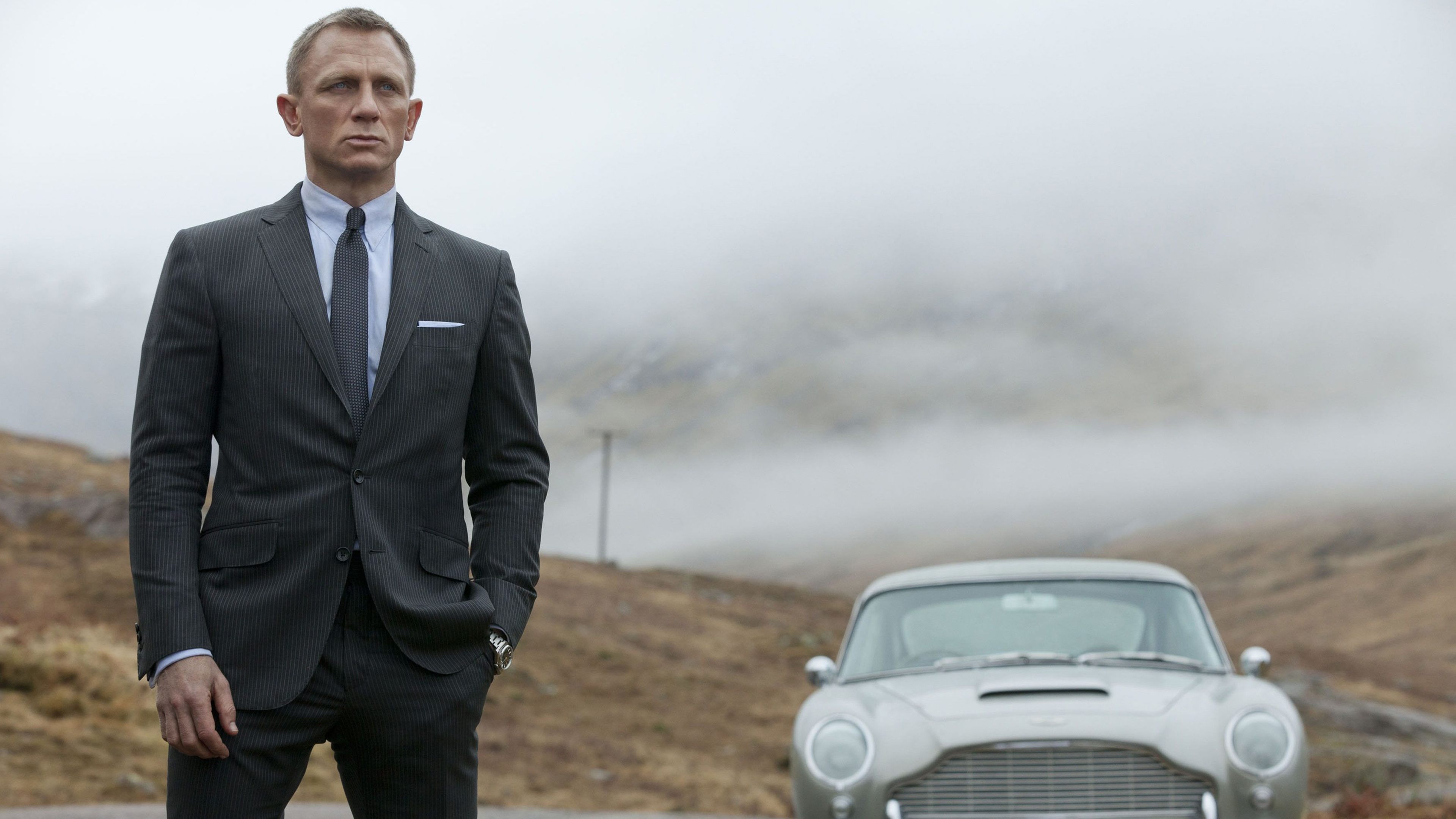
Skyfall: The Art of Analog Decay
I admit that I expected Skyfall to be another loud exercise in pyrotechnics but I was profoundly wrong. I found that director Sam Mendes used this film to craft a visual eulogy for the old world of espionage. My analysis suggests that this is the first Bond film where the cinematography is not just capturing the action but actively commenting on the obsolescence of the protagonist. It is a film about a man who is trying to find his footing in a digital world that no longer wants him.

Neon Silhouettes and The Shanghai Glass
The cinematography by Roger Deakins in the Shanghai sequence is arguably the high point of the entire fifty year franchise. I noticed that he refuses to light the actors faces and instead reduces them to pure silhouettes against a backdrop of moving neon jellyfish. This visual aesthetics choice turns the brutal fight into a mesmerizing shadow play. I observed that the glass walls create constant reflections which visually reinforces the theme of deception. It strips Bond of his identity and turns him into just another shadow in the night which perfectly mirrors his psychological state at that point in the narrative.

The Fighting Temeraire and Visual Metaphor
A critical review of the museum scene reveals the most important piece of symbolism in the film. I watched closely as Bond meets Q in front of J.M.W. Turner’s painting The Fighting Temeraire. I found that the framing deliberately positions Bond as the old warship being towed away to be broken up. This is a brilliant piece of plot analysis hidden in the set dressing. The production design uses this painting to communicate the central conflict of the movie without a single word of dialogue. It visually asks if there is any dignity left in being an old warrior in a new age of cyber warfare.

The Chiaroscuro of the Scottish Finale
I was struck by the daring decision to light the entire third act with nothing but the flames of a burning house. I analyzed the lighting ratios in the Scotland sequence and realized that Deakins utilizes a heavy chiaroscuro technique that is usually reserved for horror films or noir. The firelight creates deep blacks and harsh oranges which emphasizes the bleakness of Bond’s childhood home. This visual storytelling transforms the spy thriller into a gothic western. It strips away the gadgets and the technology and forces the characters to fight with hunting rifles and knives in the mud which brings the character arc full circle back to the primitive.

The Flickle Visual Score
9.8/10 – I am awarding this near perfect score for the Shanghai fight sequence alone which utilized the dynamic range of the Arri Alexa camera to create a level of contrast and color that redefined what a blockbuster film could look like.
If you think you have the eye to spot the references to the classic Aston Martin DB5 gadgets then test your skills in our daily movie puzzle game at Flickle.


Mastered the Frame?
Test your visual memory and see if you can guess this movie in 6 frames.
Solve Today's Puzzle