Source Code: The Geometry of a Dying Memory
I remember dismissing the trailer for Source Code as just an action movie version of Groundhog Day but a recent rewatch revealed a surprisingly delicate piece of filmmaking. While the script handles the sci fi elements I noticed that director Duncan Jones uses the camera to explore the terror of being trapped inside a dying mind. My analysis suggests that the visual repetition is not just a plot device but a way to force the audience to pay attention to the smallest details of the frame.

Chromatic Contrast and Reality
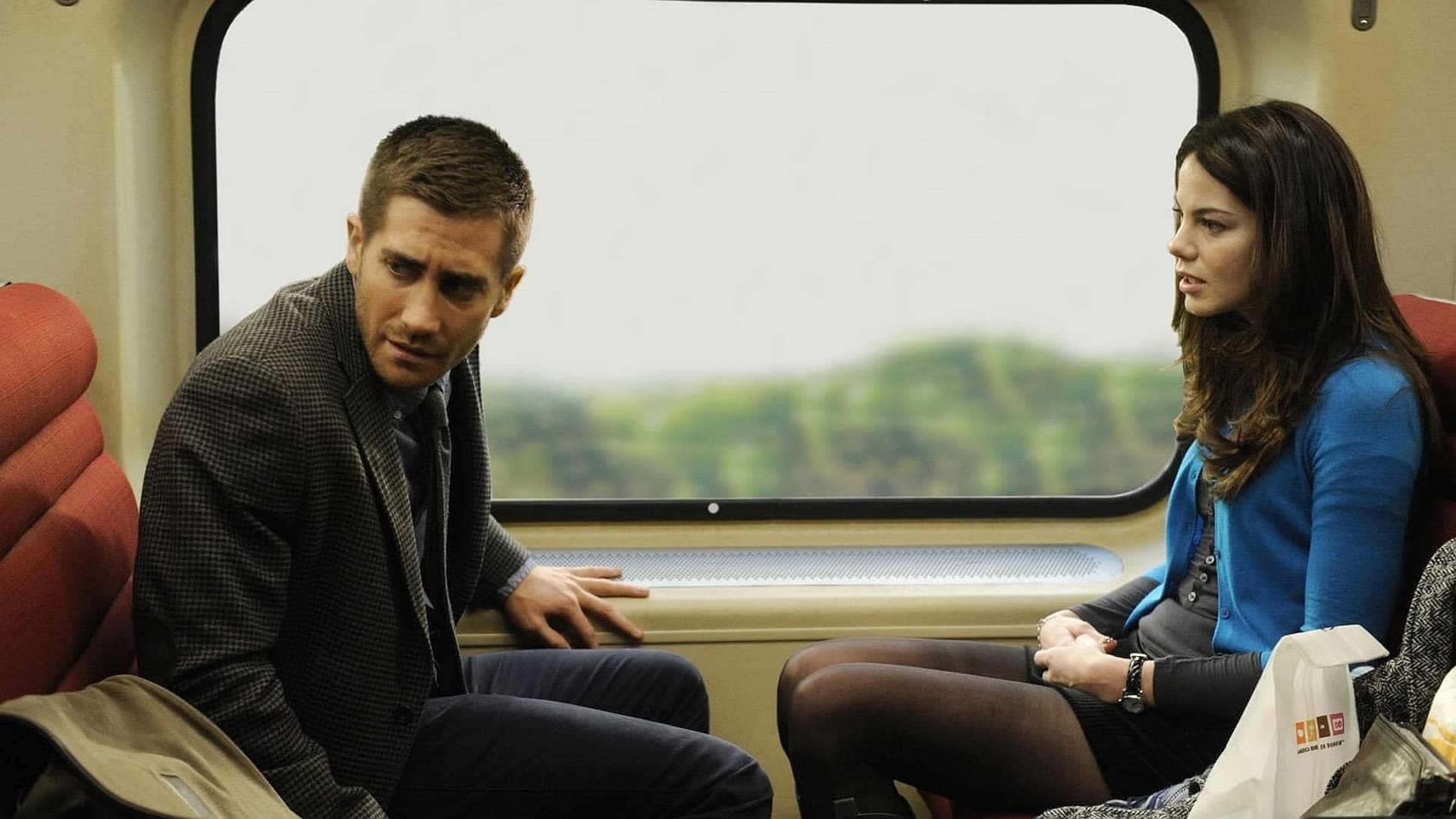
The first thing that grabbed my attention was the aggressive use of color temperature to distinguish the two worlds. I observed that the scenes inside the train are bathed in a warm and saturated light that feels almost too vibrant to be real. This visual aesthetics choice creates a sense of comfort that contrasts sharply with the "Source Code" capsule. When the camera cuts to the cockpit I noticed a shift to cold blues and harsh greys with heavy shadows. This use of chromatic contrast creates a visceral separation between the simulation and the grim reality of Colter Stevens’ physical state. It tells us intuitively that the warm train is a dream and the cold pod is the grave.

Rack Focus and Visual Clues
A critical review of the camera work inside the train reveals a heavy reliance on rack focus. Since the protagonist has to relive the same eight minutes repeatedly the cinematographer Don Burgess uses the focus to guide our eye to different clues in each loop. I found this technique fascinating because it mimics the way the human brain processes information under stress. We start by seeing the whole picture but eventually we tunnel vision onto specific details like a shoe or a spilled coffee. This visual storytelling allows the audience to learn the geography of the train at the exact same pace as the protagonist without needing clumsy exposition dialogue.

The Reflection and Subjective Dissonance
I have to highlight the specific way the camera handles mirrors in this film. There is a jarring moment where Colter looks into a reflective surface and sees a face that is not his own. I analyzed this shot and realized it is a perfect example of subjective camera dissonance. The director places the lens right where the reflection should be which forces me to look directly into the eyes of a stranger. This creates an immediate feeling of identity loss. I noticed that hidden details in the background of these reflection shots often blur or distort which subtly hints that his hold on his own identity is slipping away with each reset of the clock.

The Flickle Visual Score
8.6/10 – I am awarding this score for the precise use of rack focus to direct audience attention within a crowded frame and the stark color grading that visually separates the layers of reality.
If you think you have the eye to spot the clues before the train explodes then test your skills in our daily movie puzzle game at Flickle.



Mastered the Frame?
Test your visual memory and see if you can guess this movie in 6 frames.
Solve Today's Puzzle