The Godfather Part II: The Amber of Memory
I admit that I expected a cash grab sequel that would dilute the legacy of the original but Francis Ford Coppola delivered a Shakespearean tragedy about moral rot. The Godfather Part II is not just a gangster movie. I found that it is a study in contrasting lights where the golden warmth of the past judges the cold sterile reality of the present. My analysis suggests that the film works because it treats the corruption of the soul as a slow and inevitable chemical reaction.

The Exposure of Shadows
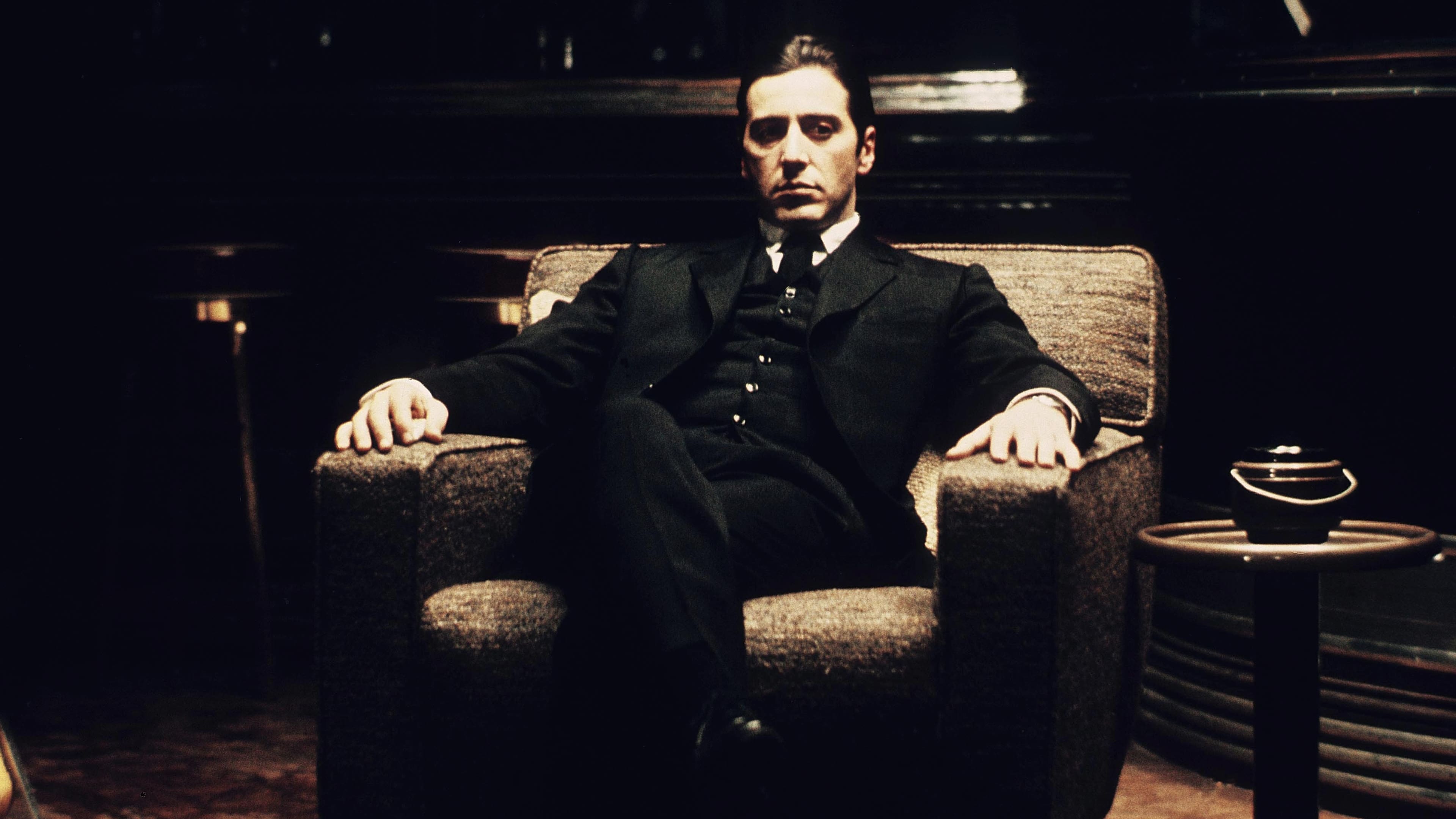
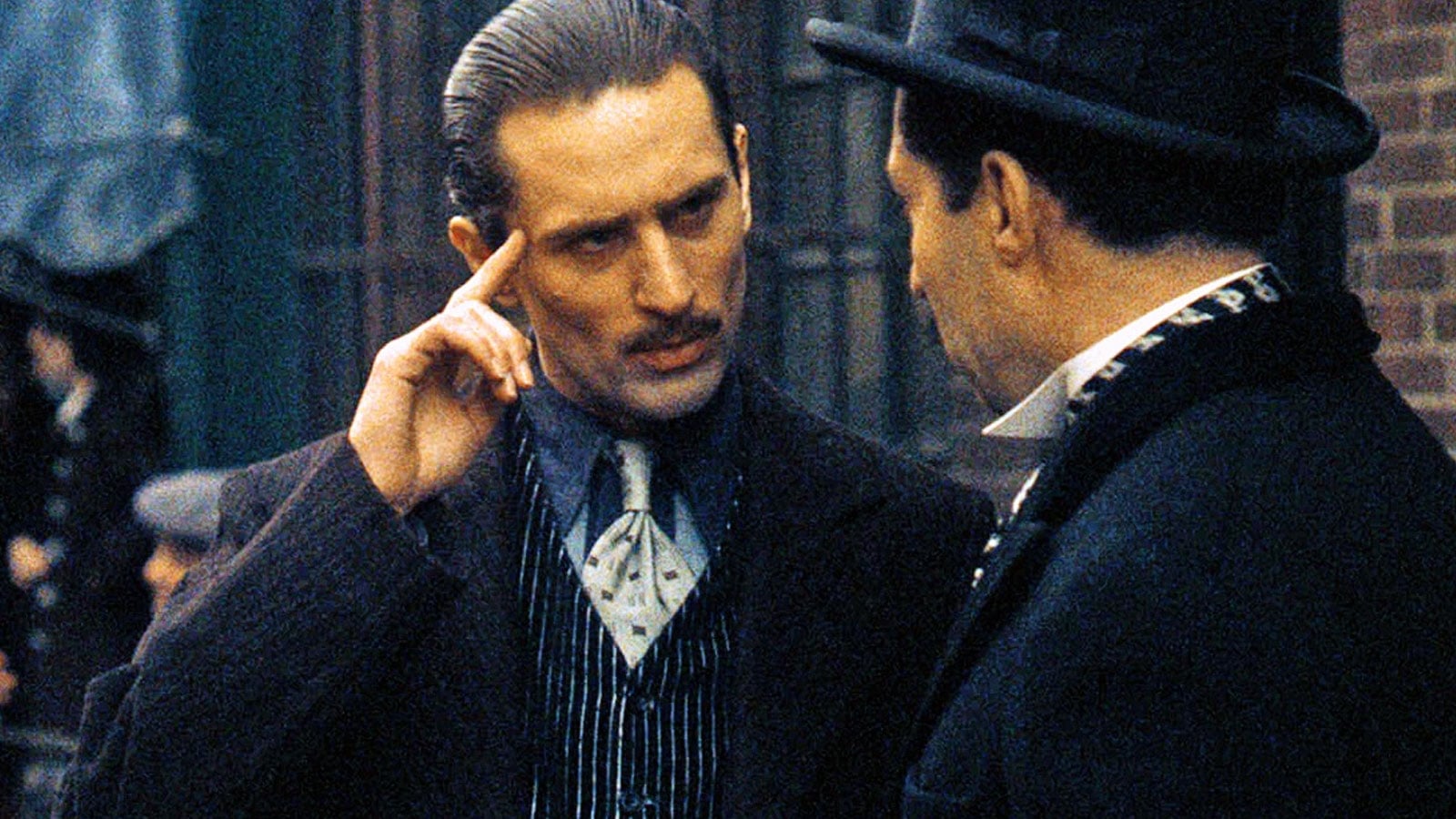
The cinematography by Gordon Willis pushes the boundaries of underexposure to the breaking point. The lighting in the Lake Tahoe sequences utilizes cold blue tones and deep blacks to signify the emotional death of Michael Corleone. This visual aesthetics choice creates a suffocating atmosphere where the characters seem to be drowning in the dark corners of the frame. I observed that the flashbacks to 1917 Little Italy are bathed in a nostalgic amber and soft diffusion which visually separates the romanticized rise of the father from the ruthless fall of the son.
The Architecture of Isolation
The production design constructs spaces that amplify the loneliness of power. The Nevada compound feels empty and fortress like despite the immense wealth on display. Blocking frequently positions Al Pacino in the far corners of the frame or behind massive desks to create physical barriers between him and his family. This visual storytelling technique ensures that his physical isolation mirrors his internal decay. I found that the festive and chaotic streets of old New York teem with organic life which starkly contrasts with the sterile and silent halls of the modern timeline.

The Dissolve of Time
A critical review of the editing reveals a masterful use of the dissolve to link the two narratives. Cross cutting connects the calculated murder of Don Fanucci with the bureaucratic cruelty of the Senate hearings to imply that violence is a hereditary disease. The pacing allows the silence to weigh heavy on the audience. I noticed that the camera holds on the face of Michael for uncomfortable durations which forces the viewer to search for a humanity that is no longer there.

The Flickle Visual Score
10/10 I am awarding this score for the fearless use of darkness that redefined the visual language of cinema and for the structural perfection of the parallel timelines.
If you think you have the eye to spot the golden telephone then test your skills in our daily movie puzzle game at Flickle.



Mastered the Frame?
Test your visual memory and see if you can guess this movie in 6 frames.
Solve Today's Puzzle