Titanic: The Industrial Scale of Hubris
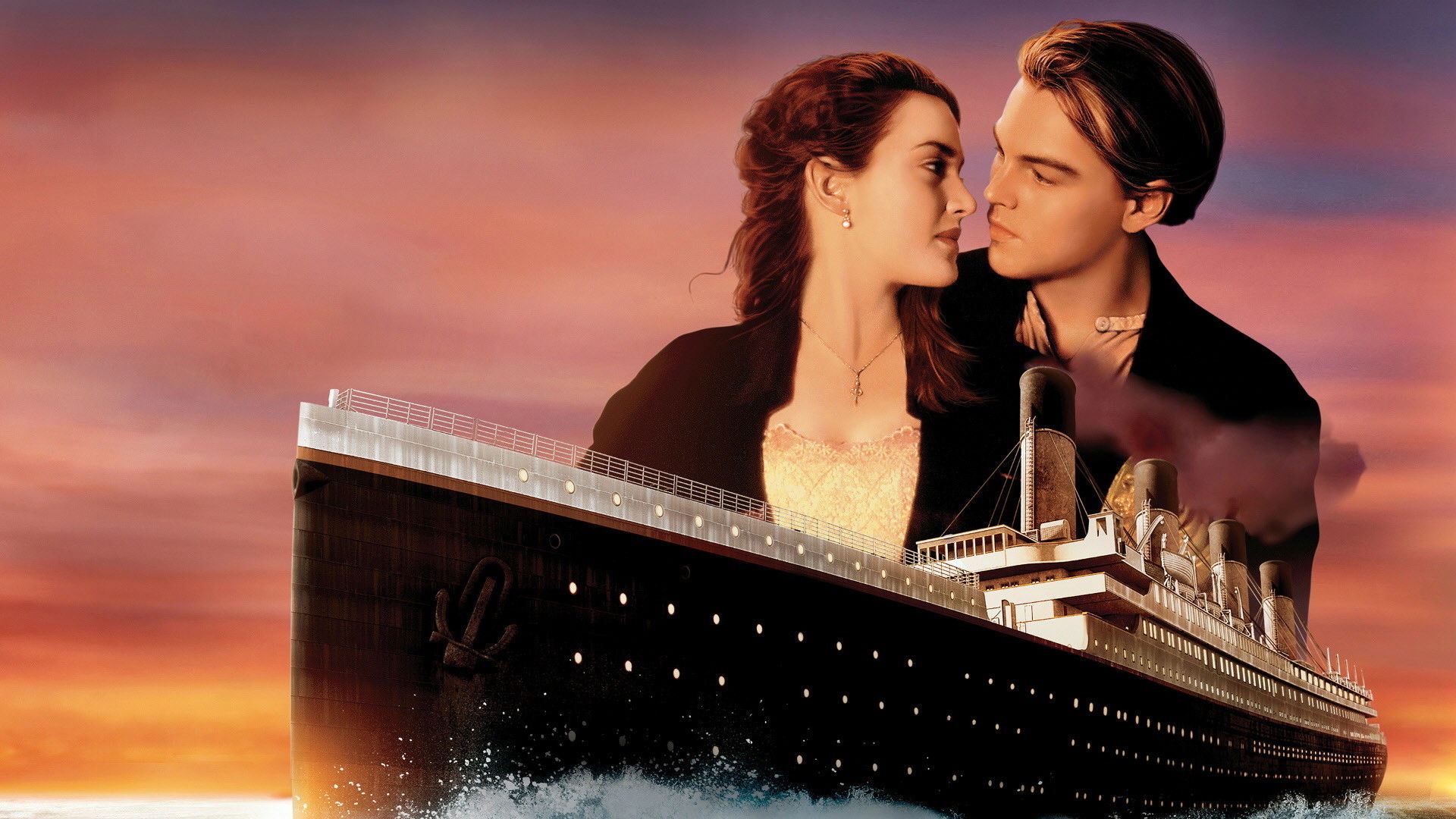
I admit that I initially dismissed the cultural phenomenon as a teenage melodrama but time has revealed it to be a brutal industrial horror film. Titanic is not merely a romance. I found that it is a study of class warfare waged on a sinking platform where the machinery is the true protagonist. My analysis suggests that James Cameron did not just film a tragedy but he engineered a perfect simulation of doom where the audience is trapped by the physics of the production design.

The Chromatic Descent
A critical review of the lighting reveals a strict chromatic timeline that mirrors the narrative arc. I observed that the first half of the film is bathed in the golden amber glow of tungsten practical sources which represents the false security of the Edwardian era. I noticed that this warmth is violently replaced by the clinical and unforgiving blue of the HMI moonlight the moment the iceberg strikes. This visual aesthetics choice physically lowers the temperature of the film and forces the viewer to feel the hypothermia visually before the water even touches the characters.

The Physics of Practical Water
The most defining aspect of the cinematography is the interaction with real water rather than digital simulation. I analyzed the flooding sequences of the Grand Staircase and realized that the destruction feels terrifying because it is organic. The visual effects team dropped thousands of gallons of water onto a hydraulic set which created unpredictable chaos that CGI cannot replicate. I found that the camera does not float weightlessly but struggles to stay above the rising tide which grounds the spectacle in a terrifying reality. It strips away the polish of Hollywood action to reveal the raw force of fluid dynamics.

The Sound of Dying Steel
I was struck by how the sound design treats the vessel not as a machine but as a dying beast. I listened closely to the mix during the final plunge and noticed that the groaning of the twisting metal is pitched to resemble animalistic cries of pain. The diegetic sound of the snapping cables and shattering glass drowns out the human screams which recontextualizes the tragedy. I found that this sonic choice emphasizes that the death of the dream of unsinkable technology is just as loud as the death of the passengers.

The Flickle Visual Score
9.9/10 I am awarding this near perfect score for the unprecedented scale of the practical sets which created a tactile reality that modern green screens fail to achieve and for the masterful use of color temperature to narrate the transition from life to death.
If you think you have the eye to spot the moment the stunt wires were painted out then test your skills in our daily movie puzzle game at Flickle.


Mastered the Frame?
Test your visual memory and see if you can guess this movie in 6 frames.
Solve Today's Puzzle