Mindhunter: The Symmetry of Madness
I admit that I approached Mindhunter with skepticism because the serial killer genre felt completely exhausted to me. I was mistaken. I found that this show is not a procedural about chasing monsters but a corporate drama about the invention of a new science. My analysis suggests that the true horror here is not the gore which is rarely shown but the clinical precision of the dialogue. It treats the interview room like a laboratory where the variables are human lives.
The Stabilization of Horror
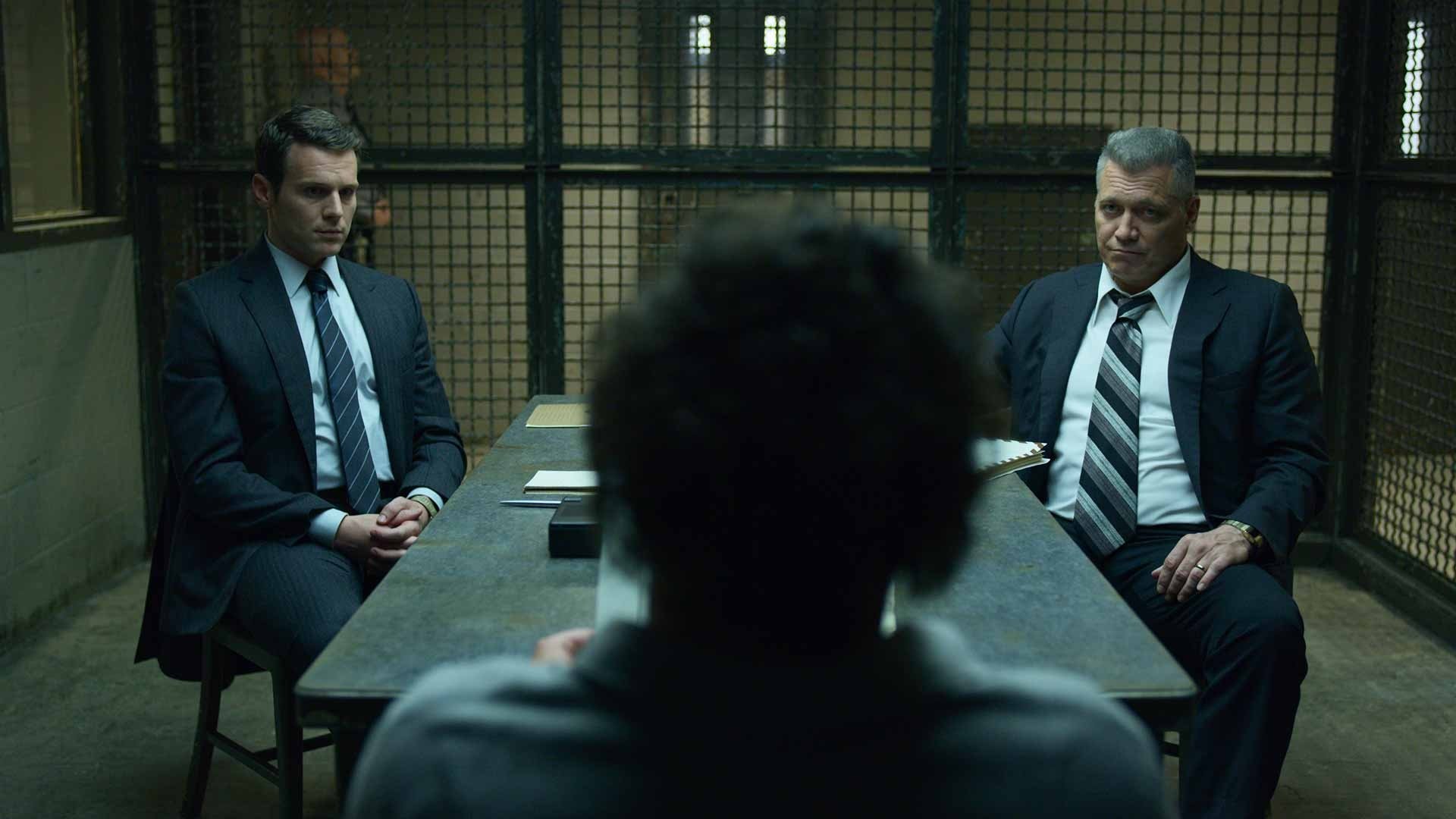
The cinematography is obsessively controlled and strictly adheres to the Fincher aesthetic of stabilization. I noticed that the camera almost never uses handheld movements to create tension. It glides on rails or sits on a tripod with mathematical precision. This visual aesthetics choice creates a clinical distance that forces us to observe the killers like specimens in a jar rather than movie monsters. The stillness makes the sudden verbal outbursts feel physically violent because the frame itself refuses to flinch. I found that this rigidity mirrors the emotional repression of the agents who must maintain a facade of neutrality while listening to unspeakable atrocities.

The Sodium Vapor Nightmare
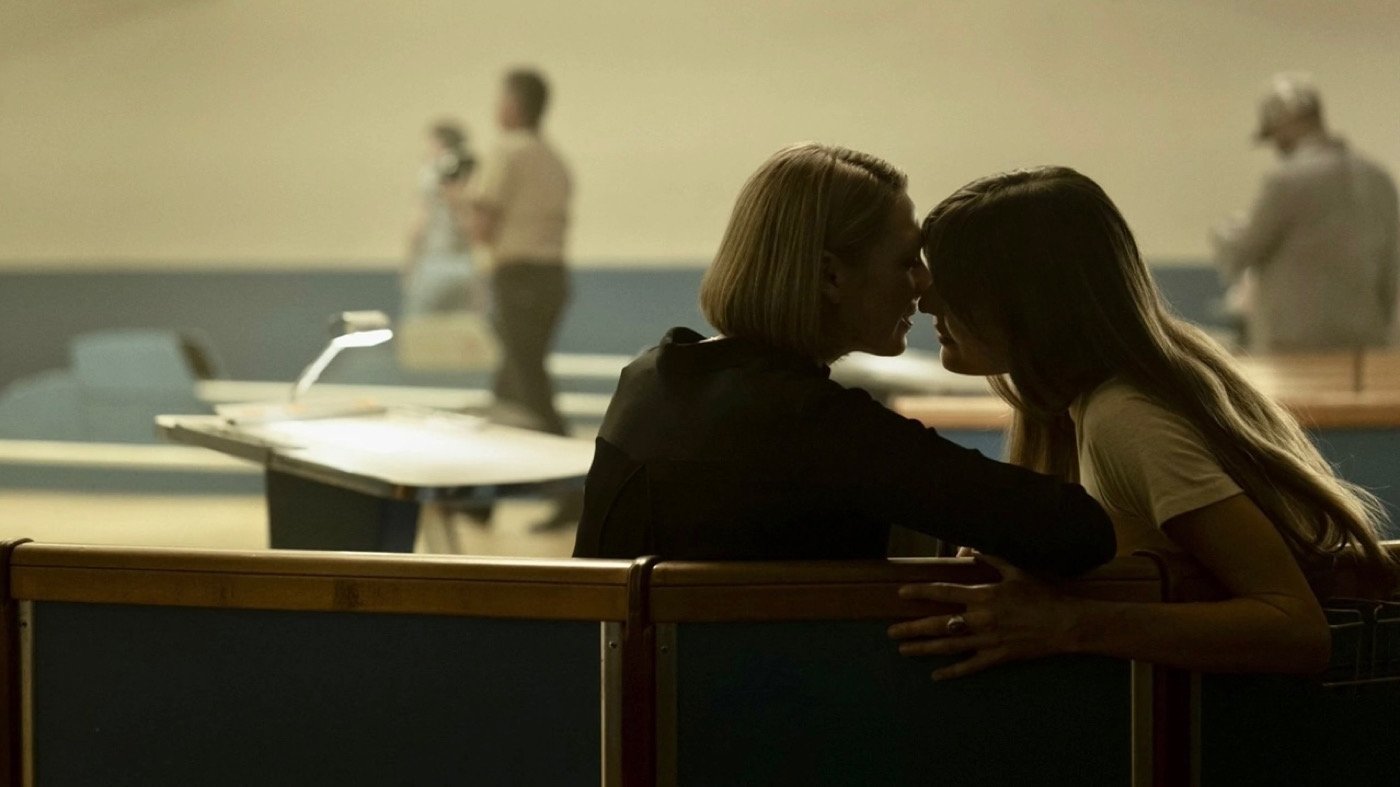
A critical review of the lighting reveals a reliance on practical sources that mimic the sickly glow of streetlights. I observed that the frame is often bathed in a distinct yellow or green tint known as "sodium vapor" lighting. This chromatic contrast makes the world look jaundiced and bruised. It implies that the sickness is not just confined to the prisons but it permeates the motels and the FBI offices and the airplanes. I realized that this color grading eliminates the romanticism of the 1970s setting. It presents the era not as a time of disco and freedom but as a decaying industrial landscape where shadows are heavy and impenetrable.

The Architecture of Bureaucracy
The production design of the Behavioral Science Unit fascinated me because it visualizes the status of the characters. I noticed that they are literally placed in the basement of the FBI academy. This spatial arrangement serves as a plot analysis of their standing within the bureau. The low ceilings and fluorescent lights create a pressure cooker environment that feels claustrophobic. It visually reinforces that Holden and Tench are digging into the subconscious of the country while the rest of the bureau operates in the sun. The descent into the basement becomes a metaphor for their descent into the minds of the killers.

The Flickle Visual Score
9.6/10 I am awarding this high score for the absolute technical perfection of the camera movement and the disciplined use of color that created a suffocating atmosphere without relying on cheap jump scares.
If you think you have the eye to spot the difference between organized and disorganized offenders then test your skills in our daily tv show guessing game at Flickle.




Mastered the Frame?
Test your visual memory and see if you can guess this movie in 6 frames.
Solve Today's Puzzle


