
The Last of Us: The Mycology of Grief
I admit that I expected a rigid shot for shot remake that would fail to capture the interactivity of the source material but I was wrong to doubt the emotional expansion of the narrative. The Last of Us is not a zombie show. I found that it is a neo western about fatherhood where the infected are merely an environmental hazard. My analysis suggests that the show succeeds because it prioritizes the quiet moments of camping and conversation over the loud spectacle of action sequences which allows the relationship between Joel and Ellie to breathe in real time.
The Handheld Intimacy
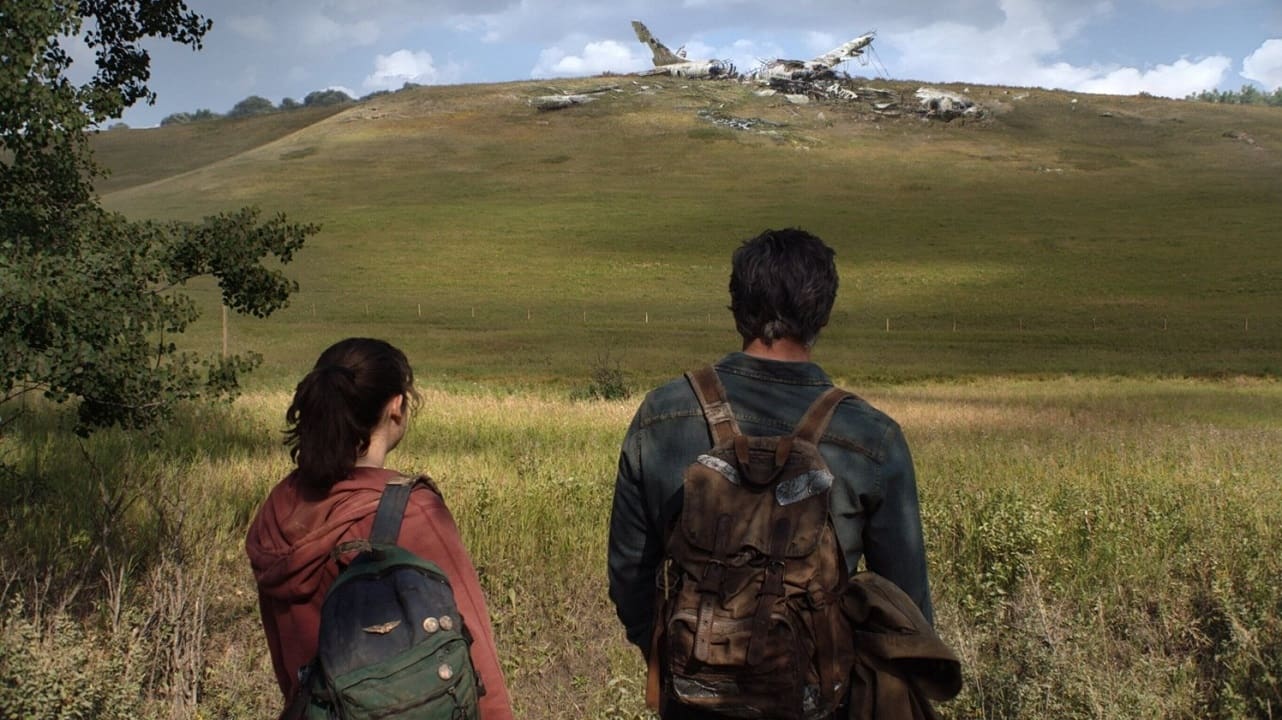
The cinematography by Ksenia Sereda utilizes handheld shoulder rigs to create a sense of immediate physical proximity. I noticed that the camera often lingers on the back of the characters which subtly mimics the third person perspective of the gameplay without feeling derivative. This visual aesthetics choice grounds the viewer in the subjective experience of the protagonists. I observed that the shallow depth of field isolates the faces of Pedro Pascal and Bella Ramsey during emotional beats which blurs out the terrified world around them to emphasize that their bond is the only thing that remains in focus.

The Architecture of Overgrowth
I was struck by how the production design visualizes the apocalypse not as destruction but as nature reclaiming its territory. I analyzed the set decoration of the abandoned cities and realized that the density of the moss and foliage creates a terrifying beauty known as "ruin porn" but with a narrative purpose. I found that the practical application of the cordyceps fungus relies on tangible silicone textures rather than purely digital assets. This visual storytelling technique ensures that the threat feels organic and grounded in biology rather than looking like a generic video game monster.

The Lighting of Scarcity
A critical review of the lighting design reveals a strict adherence to the absence of electricity. I watched the night sequences and noticed that the scenes are lit primarily by practical sources like campfires or flashlights which creates deep pockets of impenetrable shadow. I found that the daylight scenes utilize natural light to create a high contrast look that exposes the grime and sweat on the skin of the actors. This approach forces the audience to feel the vulnerability of the characters when the sun goes down and the safety of visibility is lost.

The Flickle Visual Score
9.3/10 I am awarding this score for the masterful use of practical prosthetics to bring the Clickers to terrifying life and for the disciplined color grading that avoided the desaturated cliché of the genre.
If you think you have the eye to spot the giraffe in the city ruins then test your skills in our daily tv show guessing game at Flickle.

Read Next


Mastered the Frame?
Test your visual memory and see if you can guess this movie in 6 frames.
Solve Today's Puzzle
