True Detective Deep Dive: Rust Cohle and the Bayou Nightmare
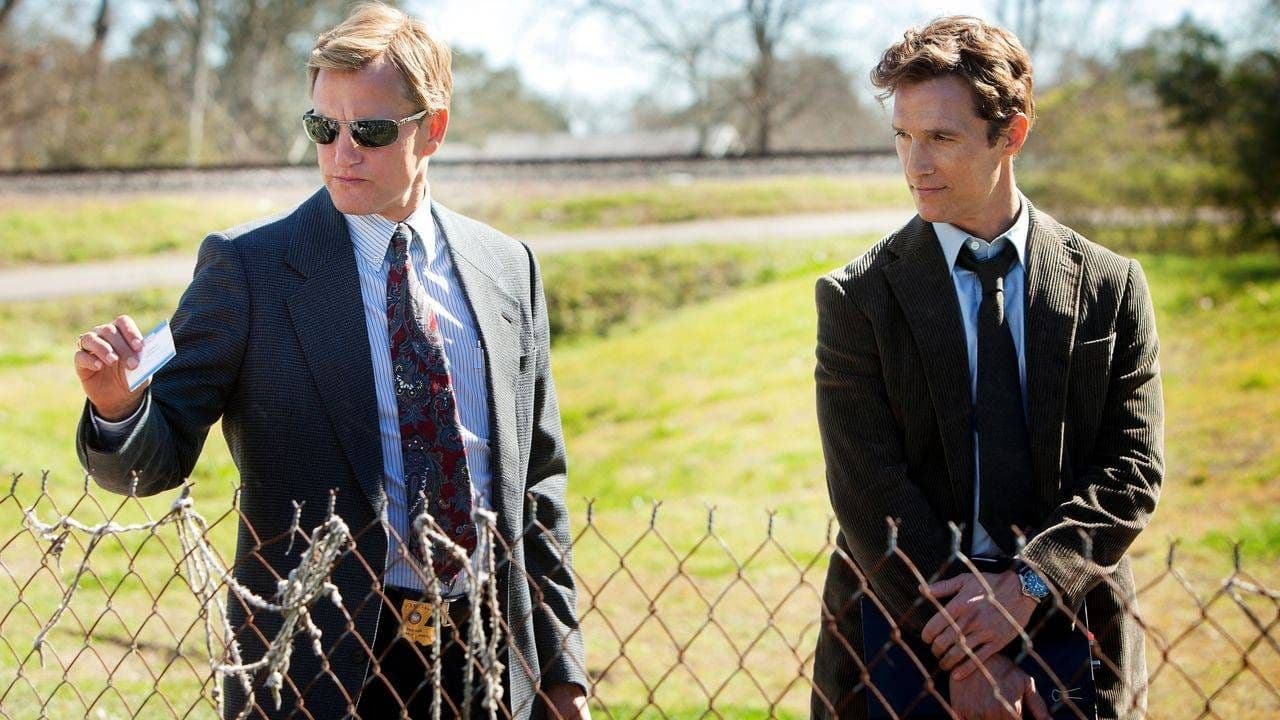
Cary Joji Fukunaga and Nic Pizzolatto delivered an absolute masterpiece of Southern Gothic television back in 2014 with a season that completely captivated crime fiction fans. You follow Matthew McConaughey in a career defining performance as the nihilistic detective Rustin Cohle, alongside Woody Harrelson as his hypocritical yet pragmatic partner Martin Hart. They spend seventeen grueling years hunting a ritualistic serial killer across coastal Louisiana while dissecting their own fractured lives. I always recommend this first season to anyone who appreciates dark psychological mysteries that explore cosmic dread alongside grounded detective work. It throws you right into the decaying swamp towns and forgotten bayous while asking terrifying questions about human consciousness and morality. You quickly get swept up in the non linear timeline, shifting seamlessly between the original 1995 case, the 2002 falling out, and the 2012 police interrogations. Looking beneath the aluminum beer can figurines and philosophical monologues exposes the actual mechanics of the script. A structural analysis reveals that every seemingly spontaneous argument between the nihilistic philosopher and the hot tempered family man is carefully timed to mirror their deeply rooted, inescapable similarities.
The Visual Style and Cinematography of the Louisiana Swamps
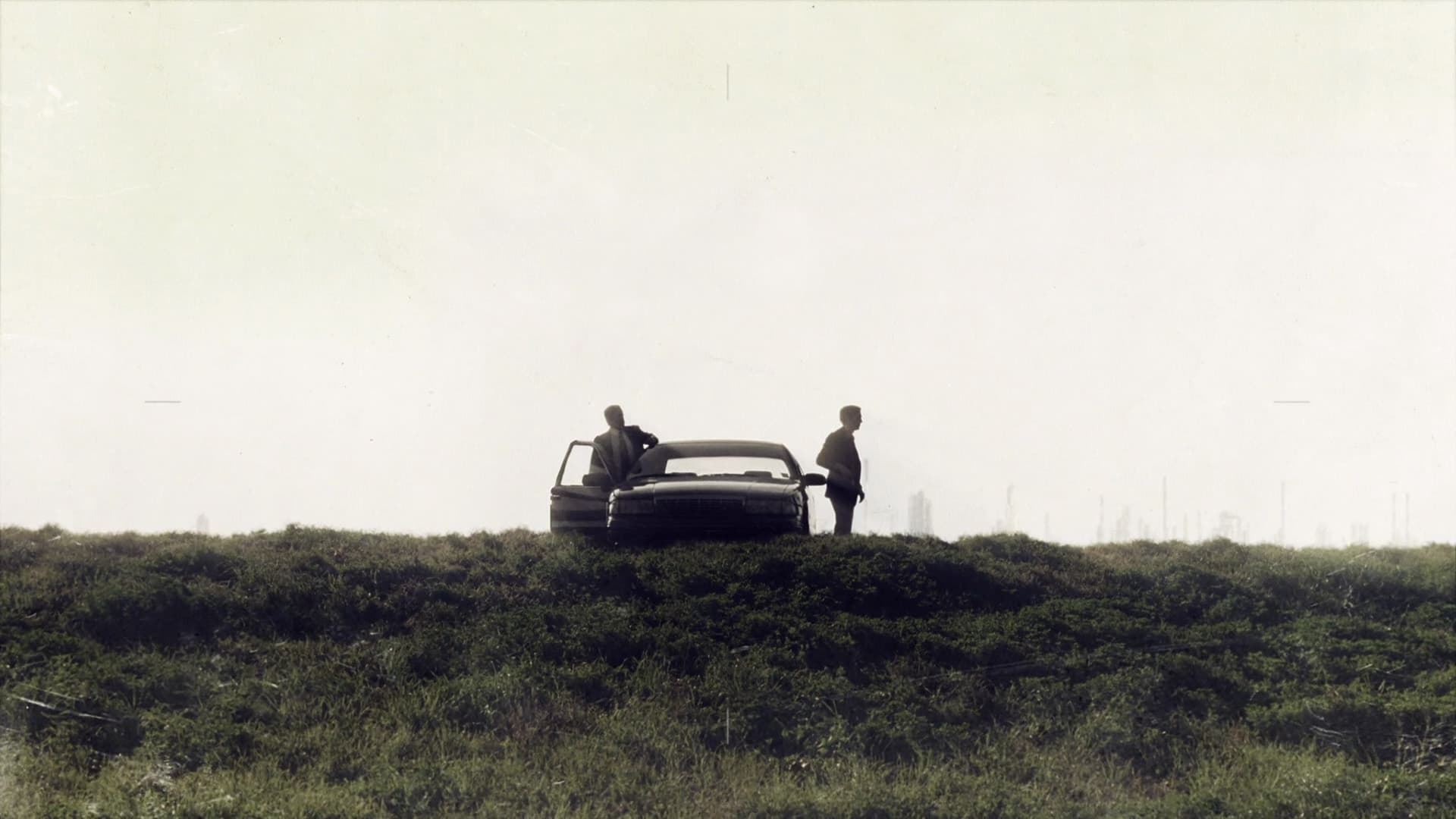
For the visual aesthetic, cinematographer Adam Arkapaw relies entirely on natural lighting, 35mm film stock, and a bleak, sun bleached color palette. You instantly notice how the overgrown sugarcane fields and industrial refineries create an eerie, sweltering atmosphere bathed in toxic sulfur yellows and sickly greens. I do have to admit that the lighting choices become genuinely frustrating whenever the characters navigate the pitch black ruins of Carcosa during the finale. Hiding the actors in heavy, murky shadows makes that crucial labyrinth chase look a bit too muddy instead of properly terrifying. A return to the blinding afternoon sunlight on the coastal highways thankfully restores a striking, terrifying visual clarity. Visually softening the brutal reality of rural poverty, the hazy summer glare also reflects a desperate wish to forget the dark horrors lurking beneath the surface.

Production Design and the Architecture of Ritualistic Terror
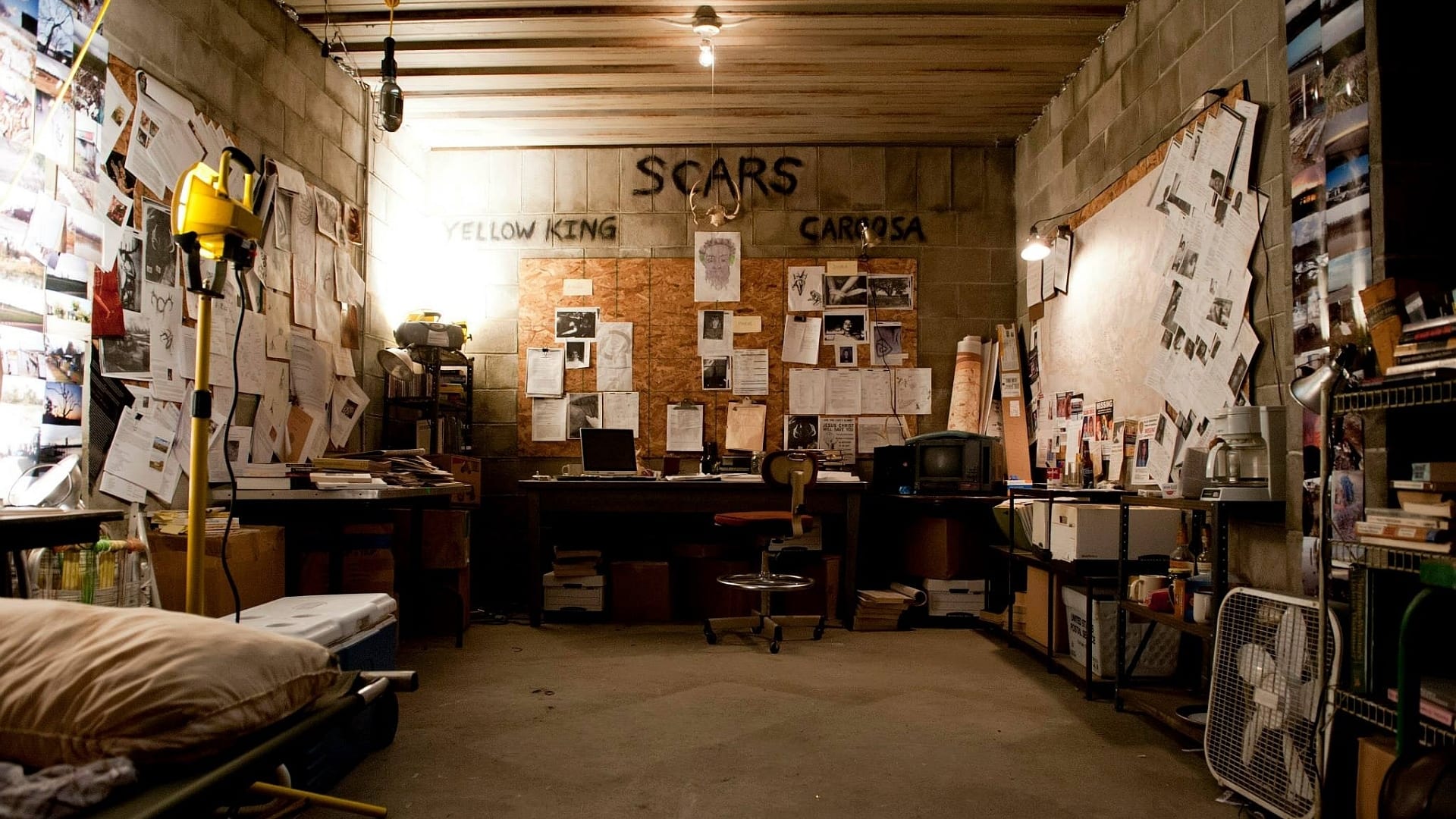
Pay close attention to the set design and you will see how the physical environments are built to reflect spiritual decay and systemic corruption. The chaotic interior of Rust Cohle's spartan apartment feels incredibly authentic because the bare mattress on the floor, the stack of crime scene photos, and the single tin ashtray perfectly match a man consumed by obsession. A visit to the sprawling, moss covered ruins of the Tuttle family church leaves a completely different impression entirely, as those rotting wooden beams and bizarre satanic twig sculptures come off almost like a sacred monument to absolute madness. My biggest complaint actually centers on the biker bar shootout in the fourth episode because the suburban neighborhood looks a bit too pristine and organized for an active gang territory. Still, forcing these two opposing detectives to constantly bump elbows inside a cramped Crown Victoria sedan makes their mounting partnership tension feel very tangible.
Sound Design and the Editing Pacing
To truly understand the dread of the Louisiana bayou, you have to listen to the incredibly dense layers of swarming insects and buzzing cicadas that dominate every outdoor scene. My ears constantly pick up the low hum of distant petrochemical plants blending right into the droning notes of a dark ambient score. Throughout the most intense investigation sequences, the editing moves at a remarkably patient pace that gives every philosophical monologue room to breathe before erupting into sudden, chaotic violence. Legendary music supervisor T Bone Burnett curated an undeniably haunting roots rock and gospel soundtrack, yet it occasionally threatens to make the grim murder scenes feel a little too much like an atmospheric concept album. The loud metallic scrape of handcuffs latching onto an interrogation table actually grounds the terrifying reality of the police work.

Frequently Asked Questions About True Detective
Let us clear up some common mysteries surrounding this landmark first season.
Is the first season of True Detective based on a true crime story? While the central plot is entirely fictional, creator Nic Pizzolatto drew heavy inspiration from the real life 2005 Hosanna Church scandal in Ponchatoula, Louisiana, blending local true crime with the weird fiction of author Robert W. Chambers.
How did they shoot that famous six minute continuous take? Director Cary Joji Fukunaga orchestrated the legendary six minute single take sequence in episode four without any hidden cuts, requiring weeks of choreography with real neighborhood residents, tactical teams, and helicopters.
Where did the filming actually take place? The entire production was filmed on location throughout southern Louisiana, primarily shooting around New Orleans, Bridge City, and the rural bayous to capture genuine Gulf Coast humidity and decay.

The Flickle Visual Score: 9.8/10
The phenomenal chemistry between the lead actors and the unmatched atmosphere keep me completely hooked, but I cannot ignore how abruptly the grand conspiracy gets simplified in the final episode. Certain lingering political threads feel so quickly brushed aside that you practically have to strain your brain to accept how many powerful villains escape justice.
Fans of a challenging trivia game will definitely appreciate the hidden occult symbols and background clues scattered throughout these humid southern towns. If you think you have the eye to spot the spiral tattoo on a suspect in our daily tv shows guessing game or simply want to find the best framed alternative for testing your television knowledge then test your skills at Flickle.


Mastered the Frame?
Test your visual memory and see if you can guess this movie in 6 frames.
Solve Today's Puzzle


