Apocalypse Now: A River Trip Straight to Hell
Francis Ford Coppola completely lost his mind in the Philippines to shoot this brutal masterpiece. Back in 1979, creating a war film meant actually flying real helicopters over exploding palm trees instead of fixing things in post production. I always feel a thick layer of sweat just watching Willard stare at the ceiling fan in that sweltering Saigon hotel room. The journey up the river operates on a fever dream logic where absolute absurdity constantly interrupts the genuine horror of combat. Taking a closer look at the power dynamics on the boat changes how you digest the narrative. A structural analysis reveals that every seemingly spontaneous argument among the boat crew is carefully timed to mirror their deeply rooted, inescapable similarities.
The Palette of Madness
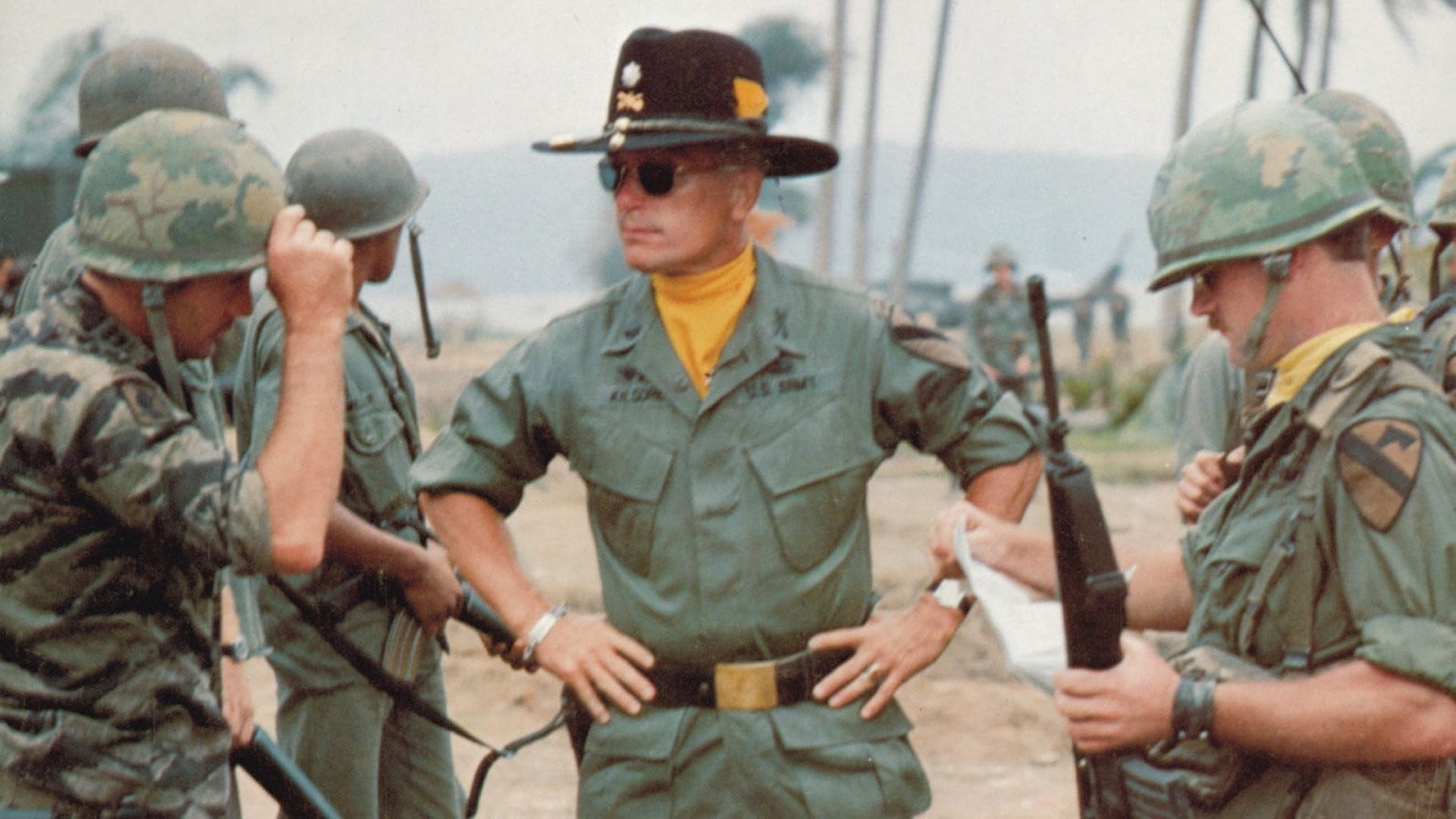
For the visual style, Vittorio Storaro paints the jungle in suffocating shades of deep amber and toxic green. You immediately notice how the thick yellow smoke flares create these terrifying silhouettes against the dark riverbanks. I have to admit that the heavy shadows in Kurtz's compound get genuinely frustrating to watch during the final act. Obscuring Marlon Brando in complete darkness might have been a clever trick to hide his weight, but it makes those crucial monologue scenes look incredibly muddy and hard to decipher. Hitting the bright daylight on the patrol boat offers a much needed visual relief from the oppressive gloom. The aggressive color grading definitely emphasizes the hallucinatory vibe of the entire war.

The Geometry of Madness
Pay close attention to the production design and you will see how the physical spaces actively trap the characters. The Do Lung Bridge sequence stands out as an absolute masterclass in chaotic set construction. Tangled barbed wire and burning debris create an environment that feels authentically apocalyptic. We get a massive visual shift when visiting the French plantation, which serves as an oddly sterile relic of colonialism. My biggest complaint has to be the layout of Kurtz's temple because it sometimes looks more like a theatrical stage than an ancient ruin. Still, forcing the tight crew to constantly bump into each other on that tiny patrol boat makes the mounting paranoia feel entirely believable.

The Acoustic of Madness
To truly understand the horror, you have to listen to the incredibly dense layers of background noise. My ears constantly pick up the mechanical thumping of helicopter blades blending seamlessly into the sound of a spinning ceiling fan. The editing rhythm moves at a bizarrely unpredictable pace throughout the runtime. Sudden bursts of loud Wagner music snap you awake right before dissolving back into the eerie silence of the deep jungle. Synthesizer tones from the soundtrack do feel a bit dated now, occasionally distracting me from the gritty realism. Hearing the constant splashing of river water against the wooden hull absolutely grounds the entire nightmare.

The Flickle Visual Score: 8.9/10
The sheer scale of this production blows my mind every time, but I have to acknowledge how the final act drags heavily in the dark. Certain sequences at the compound look so underlit that you practically have to squint to see what is happening to the cast.
If you think you have the eye to spot Kilgore's black cavalry Stetson hat in our daily movie guessing game or simply want to guess the game based on visual clues then test your skills at Flickle. You can also jump into our movie wordle to prove your ultimate cinema knowledge.



Mastered the Frame?
Test your visual memory and see if you can guess this movie in 6 frames.
Solve Today's Puzzle