Argo Analysis: Ben Affleck and the Fake Hollywood Rescue
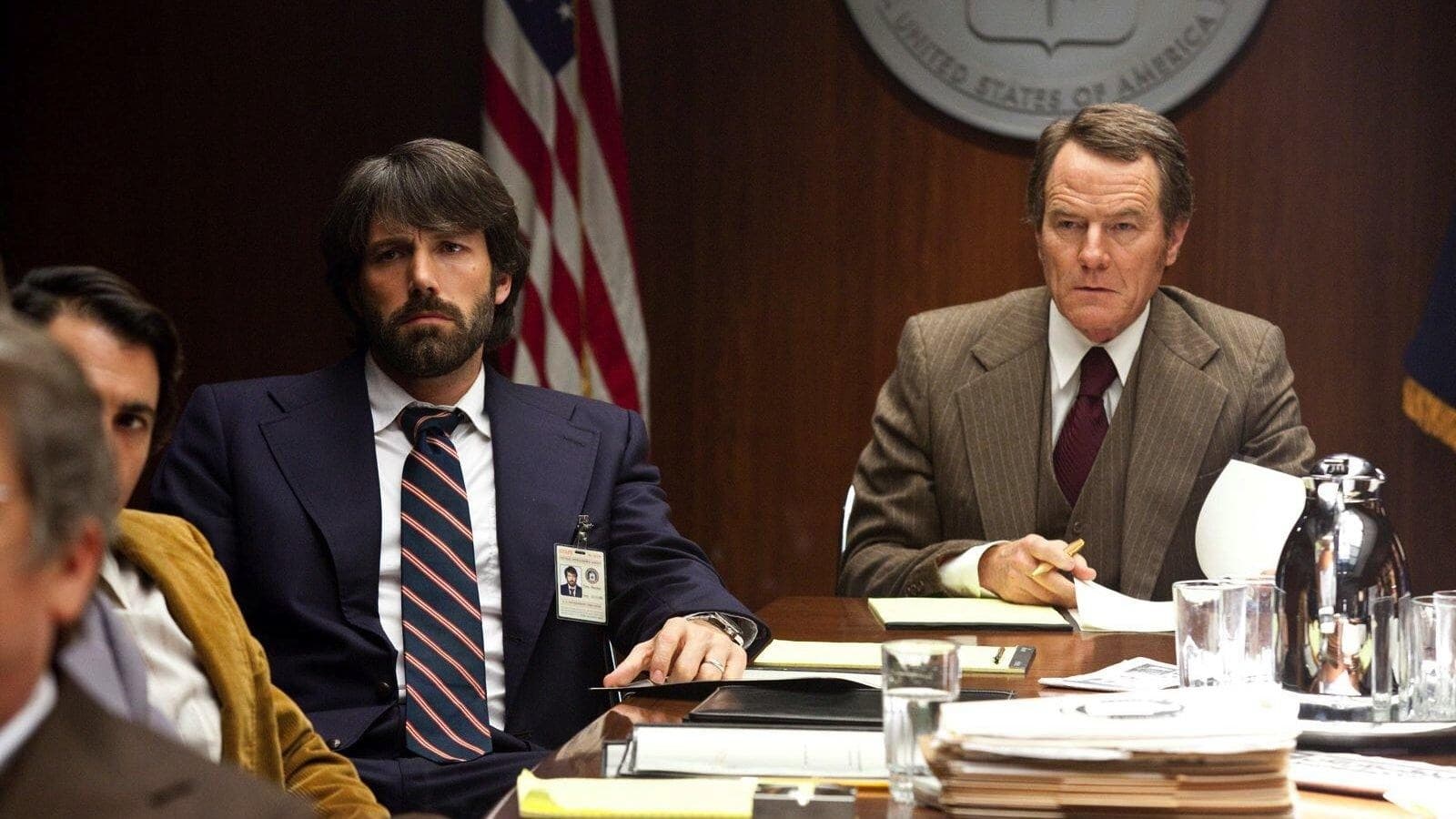
Director Ben Affleck pulled off an unbelievable cinematic trick back in 2012 by turning a highly classified government secret into a massive blockbuster. You watch Ben Affleck play a real life CIA agent named Tony Mendez, who comes up with a completely insane plan to rescue six Americans trapped in Tehran during the 1979 hostage crisis. He teams up with grumpy Hollywood producer Lester Siegel, played hilariously by Alan Arkin, and makeup expert John Chambers, played by John Goodman, to create a fake sci fi movie as their cover story. I always recommend this movie to my friends because the concept sounds way too ridiculous to be actual history. The story drops you right into a violent political revolution before completely shifting gears into a sharp comedy about the movie business. A structural analysis shows that every tense moment of faking an identity overseas directly mirrors the daily deception of making movies in Hollywood.

The Visual Style and Cinematography of a Hostage Crisis
Cinematographer Rodrigo Prieto makes the past look incredibly gritty and dangerous by mixing different types of film stock. You immediately notice how the chaotic street riots look exactly like a vintage news broadcast recorded on an old television set. I do get a little annoyed when the camera shakes too violently during the initial embassy takeover. The aggressive physical movement makes the attack feel a bit too chaotic to track where individual characters are running. A quick jump over to the bright sunny hills of Los Angeles thankfully restores a much calmer visual balance. The costume department gives everyone massive glasses and shaggy haircuts to completely sell the late seventies vibe without turning the serious situation into a joke.

Production Design and the Architecture of Deception
Pay attention to the set design and you will see how the physical offices completely reflect the different worlds these characters inhabit. The messy interior of the CIA headquarters feels very authentic because the scattered paper files and overflowing ashtrays match a government agency stuck in total panic mode. A trip over to the fake movie production office offers a totally different vibe entirely. The colorful storyboards and crazy alien posters look like a ridiculous fantasy world compared to the real danger overseas. My main complaint involves the Canadian ambassador residence where the hostages actually hide. The beautiful house looks a bit too perfectly clean and spacious for six terrified people trapped inside for months. The choice to put these innocent diplomats in a quiet home surrounded by a hostile city forces a natural tension that jumps right off the screen.

Sound Design and the Editing Pacing
You really have to listen to the ringing telephones to understand the incredible stress of this political thriller. My ears constantly catch the loud dialing sounds and analog radio static right before a major piece of bad news arrives. The editing moves at a very patient pace during the middle act to slowly build the fake movie cover story before rushing into the massive airport finale. We hear a deeply suspenseful musical score composed by Alexandre Desplat, and that choice makes the quiet moments at the ticket counter feel incredibly massive. The sudden loud roar of a commercial jet engine finally taking off actually makes the emotional release feel incredibly real and earned.

Frequently Asked Questions About Argo
Let us clear up some common mysteries about this wild historical rescue mission.
- Did the CIA really use a fake movie to rescue people? Yes, the core story is completely true, and the government kept the entire operation classified for decades until they finally released the files to the public in 1997.
- Were real Hollywood professionals involved in the fake movie? Yes, the famous makeup artist John Chambers actually helped the CIA set up a real production office to make the fake cover story look totally legitimate to the press.
- Did the airport chase happen exactly like that in real life? The director definitely exaggerated the final escape sequence for dramatic effect, because the real hostages actually passed through the airport security checks with zero problems.

The Flickle Visual Score: 9.0/10
The incredible suspense and the sharp Hollywood satire keep me coming back, but I cannot deny that the airport finale feels a bit too much like an action movie. Certain armed guards chasing the airplane down the runway look so exaggerated that you almost lose your connection to the grounded true story.
Fans of historical thrillers will definitely love finding the hidden vintage details in these tense political scenes. If you think you have the eye to spot the fake movie posters in our daily guess the movie challenge or just want some fun movie trivia to share with your friends, test your skills at Flickle.

Mastered the Frame?
Test your visual memory and see if you can guess this movie in 6 frames.
Solve Today's Puzzle