Lost Deep Dive: Oceanic Flight 815 and the Island of Secrets
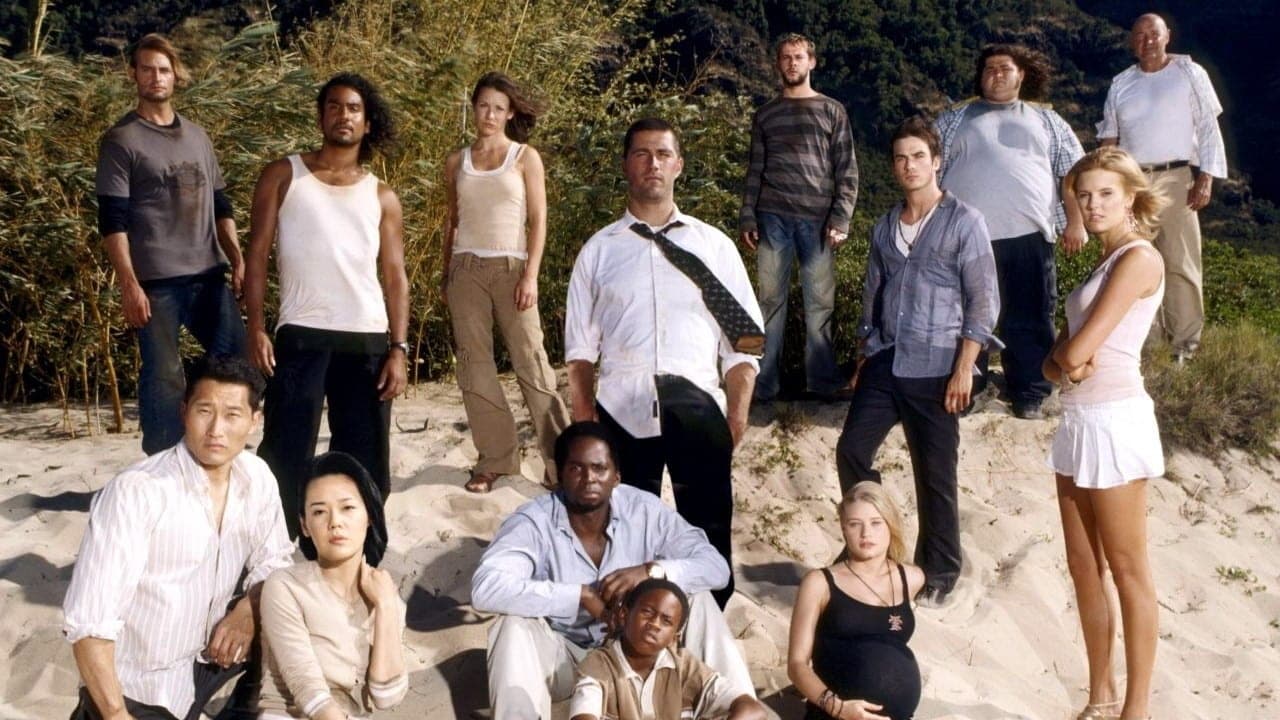
J.J. Abrams and Damon Lindelof redefined serialized network television back in 2004 with a mystery box phenomenon that completely gripped audiences across the globe. You follow an ensemble cast of survivors, led by Matthew Fox as the noble spinal surgeon Jack Shephard and Evangeline Lilly as the resourceful fugitive Kate Austen, after their commercial flight crashes onto an uncharted, seemingly supernatural island in the South Pacific. Co starring Terry O Quinn as the enigmatic man of faith John Locke and Josh Holloway as the cynical con man Sawyer, this cultural juggernaut proved that weekly television could deliver cinematic scale and profound character tragedy simultaneously. I always recommend this gripping adventure to anyone who wants to experience the absolute peak of watercooler television mysteries. It throws you right into deadly polar bear encounters and ominous smoke monsters while asking profound questions about destiny, faith, and redemption. Looking beneath the whispering jungle foliage and numbers broadcasts exposes the actual mechanics of the script. A structural analysis reveals that every seemingly spontaneous argument between the man of science and the man of faith is carefully timed to mirror their deeply rooted, inescapable similarities.
The Visual Style and Cinematography of a Tropical Purgatory
For the visual aesthetic, cinematographers John Bartley and Larry Fong rely heavily on lush 35mm film stock and natural island lighting to contrast tropical beauty against creeping dread. You instantly notice how the piercing turquoise ocean and golden sandy beaches create an idyllic postcard paradise that directly clashes with the bloody trauma of the crash wreckage. I do have to admit that the lighting choices become genuinely frustrating whenever the survivors venture deep into the dark subterranean tunnels beneath the mysterious hatch. Placing the actors in overly murky shadows makes certain crucial face to face confrontations look a bit too muddy instead of properly claustrophobic. A return to the blinding afternoon sunlight on the open beach camp thankfully restores a striking, pristine visual clarity. Softening the brutal reality of starvation and mysterious attacks, the warm amber color grading during flashbacks also reflects a desperate wish by the survivors to return to their former, less complicated lives.

Production Design and the Architecture of the Dharma Initiative
Pay close attention to the set design and you will see how the physical environments are built to reflect the collapse of modern civilization alongside retro scientific ambition. The chaotic interior of the main beach camp feels incredibly authentic because the airplane seats repurposed as shelter chairs, luggage scattered on the sand, and makeshift bamboo tarps perfectly match desperate people improvising survival. A visit to the underground Swan station hatch leaves a completely different impression entirely, as those sterile concrete walls, vintage computer monitors, and stamped food boxes come off almost like an eerie Cold War preservation bunker frozen in time. My biggest complaint actually centers on the Others suburban compound in the third season because the painted yellow houses look a bit too pristine and theatrical for an isolated jungle community. Still, forcing these broken strangers to constantly bump elbows in tight medical tents makes their mounting survival paranoia feel very tangible.

Sound Design and the Editing Pacing
To truly understand the creeping terror of the jungle, you have to listen to the dense mechanical clicks and industrial grinding of the unseen monster moving through the trees. My ears constantly pick up the gentle whisper of ocean waves blending right into the ominous ticking of a countdown timer inside the bunker. Throughout the most intense confrontation sequences, the editing moves at a remarkably disciplined pace that seamlessly cuts between traumatic mainland memories and urgent island decisions using that iconic, piercing whoosh sound effect. Michael Giacchino composed an undeniably masterpiece orchestral score built from salvaged airplane parts and weeping cellos, yet it occasionally threatens to make the dramatic medical rescues feel a little too much like an overwhelming symphonic performance. The loud metallic thud of the hatch blast doors slamming shut actually grounds the extravagant supernatural mystery.

Frequently Asked Questions About Lost
Let us clear up some common mysteries surrounding this landmark survival drama.
Where was the television series actually filmed? The entire production was shot almost entirely on location on the Hawaiian island of Oahu, utilizing the beaches, lush valleys, and Honolulu urban centers to represent exotic locations around the world.
Did the writers actually plan the entire mystery from the beginning? While the creators had broad thematic goals and specific character arcs mapped out, many of the intricate island mysteries and scientific factions were invented season by season as the narrative expanded.
Were the survivors dead the entire time? No, the series creators have repeatedly confirmed that everything that occurred on the island was completely real, and the purgatory concept applied only to the flash sideways universe depicted in the final season.

The Flickle Visual Score: 9.6/10
The incredible character arcs and the unforgettable cliffhangers keep me completely hooked, but I cannot ignore how several unresolved plot threads clutter the middle seasons. Certain filler episodes focusing on minor background mysteries wander so far off course that you practically have to strain your patience waiting to get back to the core mythology.
Fans of an addictive daily challenge will definitely appreciate the hidden Easter eggs and Dharma symbols scattered throughout these Hawaiian vistas. If you think you have the eye to spot the Oceanic airline logo in our daily tv shows guessing game or simply want to discover the best framed alternative for testing your pop culture memory then test your skills at Flickle. You can also jump into our daily movie wordle to prove your ultimate entertainment knowledge.


Mastered the Frame?
Test your visual memory and see if you can guess this movie in 6 frames.
Solve Today's Puzzle

