Birdman Analysis: Michael Keaton and the Illusion of Broadway
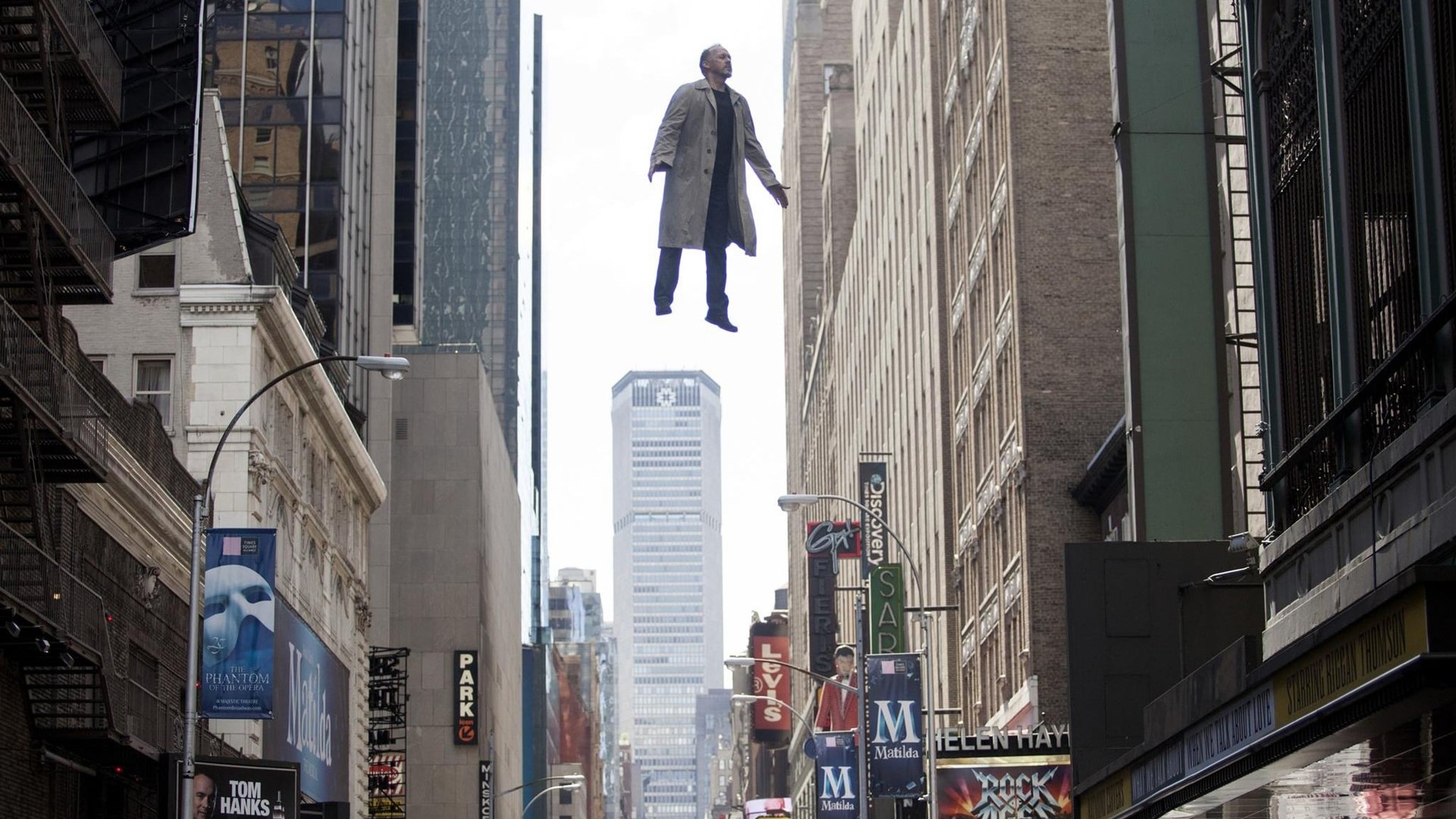
People absolutely love a good comeback story, and Hollywood rarely gives us one as raw and chaotic as this. Back in 2014, director Alejandro Gonzalez Inarritu delivered a frantic masterpiece about ego and artistic desperation. You follow Riggan Thomson, played with incredible self awareness by Michael Keaton, as an aging actor famous for playing a bird themed superhero decades ago. He risks his entire career and bank account to direct and star in a serious Broadway adaptation just to prove his worth. I always recommend this film to friends because it captures the absolute madness of the creative process better than almost anything else I have ever seen. The phenomenal cast includes Edward Norton as a pretentious method actor and Emma Stone as Riggan's cynical daughter, adding massive layers of tension to the story. We get to watch a man slowly lose his grip on reality while a literal superhero voice in his head mocks his every move. Watching these frantic backstage arguments unfold really makes you think about our modern obsession with fame and relevance.

The Visual Style and Cinematography of a Panic Attack
Emmanuel Lubezki pulled off a monumental cinematic magic trick with the camera work here. You immediately notice how the film appears to be one continuous shot that never stops, floating seamlessly through the narrow hallways of the theater and out into the busy streets of Times Square. I have to admit that this constant motion sometimes makes me feel completely breathless, almost like I am trapped in the exact same panic attack as the main character. Shadows completely dominate the cramped backstage areas, contrasting sharply with the harsh and bright spotlights of the actual stage. Bringing the camera uncomfortably close to the actors captures every single drop of sweat and twitch of anxiety. Whenever the film briefly steps away from the brutal reality of failure, the warm golden tones of the magical realism moments give us a weird but beautiful visual break.

Production Design and the Architecture of the Stage
Pay close attention to the set design and you will notice how the theater itself feels like a living, breathing monster that wants to eat these actors alive. The chaotic interior of Riggan's dressing room feels incredibly authentic because the cluttered makeup tables, scattered scripts, and empty liquor bottles perfectly match a man whose life is falling apart. A walk up to the precarious rooftop of the building leaves a completely different impression entirely, giving the characters a dizzying view of the city and a momentary escape from the claustrophobia below. My only minor complaint centers on the Times Square sequence because the crowd of extras looks a bit too perfectly choreographed for a supposedly spontaneous public meltdown. Still, cramming these massive egos into tiny dressing rooms forces an incredible amount of tension that feels very real and grounded.

Sound Design and the Editing Pacing
To truly understand the erratic rhythm of this movie, you just have to listen to the relentless jazz drums driving the entire plot forward. My ears constantly pick up the unpredictable cymbals and snares composed by Antonio Sanchez, which perfectly mimic a racing heartbeat right before opening night. During the most intense hallway confrontations, the pacing relies entirely on the actors timing their dialogue perfectly to the physical movement of the camera. We do not get a traditional orchestral score here, and that bold choice makes every shouted argument and shattered dressing room mirror feel violently immediate. The loud crash of a falling stage light actually grounds the surreal elements and reminds us of the very real physical stakes involved in live theater.
Frequently Asked Questions About Birdman
Let us clear up some common mysteries surrounding this ambitious theatrical nightmare.
Was the entire movie actually filmed in one single take? No, the production team used incredibly clever digital stitching and hidden transitions, like panning past dark walls or using subtle computer graphics, to connect multiple long takes together seamlessly.
Did they film in a real Broadway venue? Yes, the crew spent several weeks filming inside the historic St. James Theatre in New York, capturing the authentic grime and tight spaces of a real working stage environment.
Are the drums we hear actually played live on set? Sometimes the drummer literally appears on screen during the movie, blurring the line between the background music and the actual physical world of the characters.

The Flickle Visual Score: 9.6/10
The flawless acting and the breathtaking camera work keep me completely glued to the screen, but I cannot deny that the ambiguous ending frustrates some casual viewers. Certain magical elements pile up so quickly at the end that you really have to decide for yourself what is real and what is just a hallucination.
Fans of daily puzzles will definitely appreciate the hidden visual tricks scattered throughout these theatrical corridors. If you think you have the eye to spot the hidden superhero posters in our daily movie guessing game or simply want to guess the game based on subtle visual clues then test your skills at Flickle. You can also try our movie wordle to prove your ultimate cinema knowledge.


Mastered the Frame?
Test your visual memory and see if you can guess this movie in 6 frames.
Solve Today's Puzzle