Oldboy Deep Dive: Park Chan wook and the Price of Vengeance
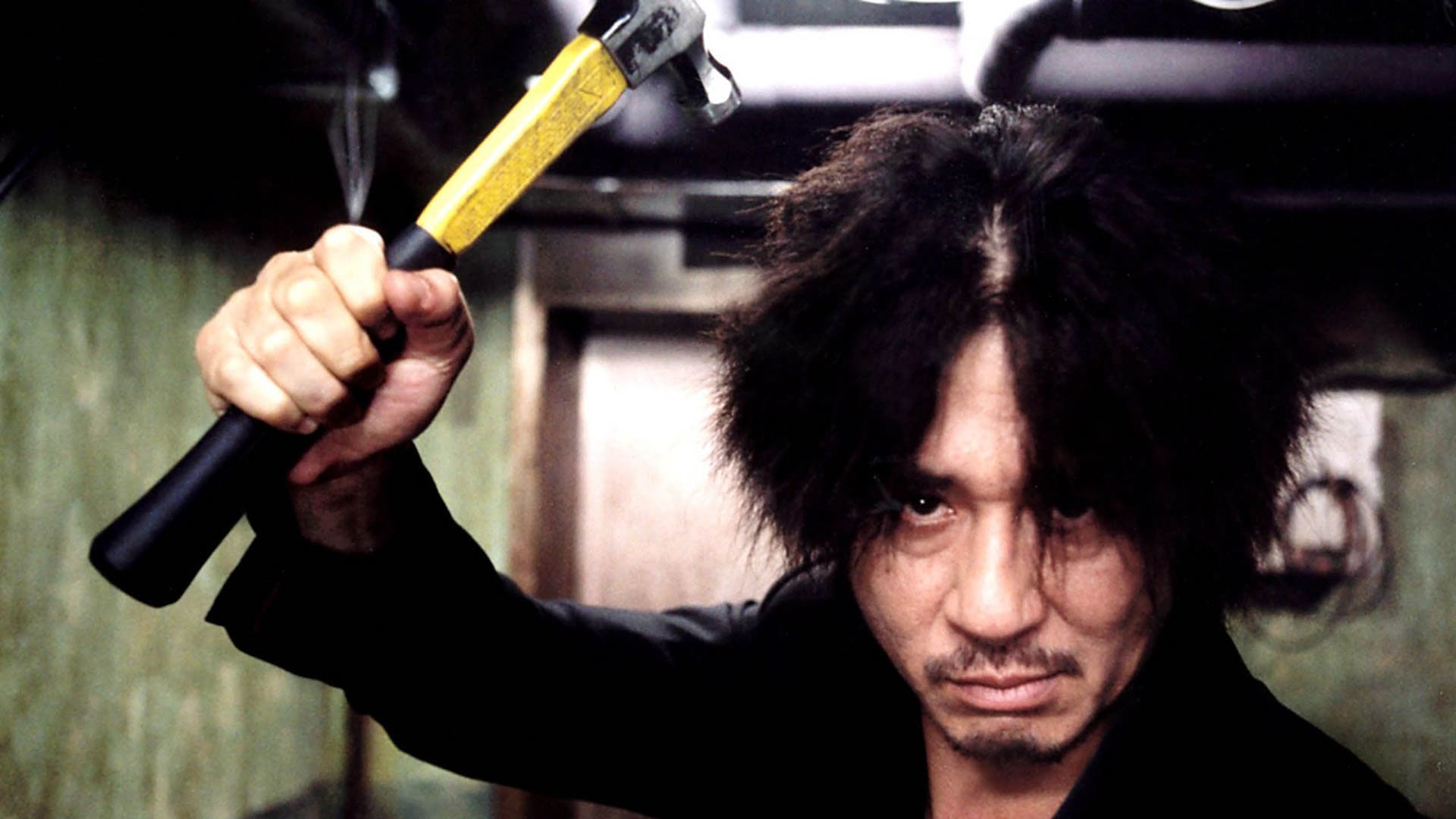
A man locked in a windowless hotel room for fifteen years would normally completely break down, but for Oh Dae su, the isolation just makes him incredibly angry. Back in 2003, director Park Chan wook released this brutal South Korean thriller that completely shattered international expectations for revenge cinema. You follow Choi Min sik in a legendary physical performance as a desperate man finally released back into the neon lit streets of Seoul with only five days to find his mysterious captor. Co starring Yoo Ji tae as the chilling villain, I always tell people this is an absolute must watch masterpiece, provided you have the stomach for extreme psychological torment and shocking plot twists. It throws you right into a grim underworld of private prisons and tragic secrets while asking horrifying questions about guilt and retribution. Looking beneath the iconic hammer fight and live octopus eating scene exposes the actual mechanics of the script. A structural analysis reveals that every seemingly spontaneous argument between the desperate prisoner and his mysterious captor is carefully timed to mirror their deeply rooted, inescapable similarities.

The Visual Style and Cinematography of a Broken Mind
For the visual aesthetic, cinematographer Chung Chung hoon heavily utilizes a deeply saturated and incredibly sickly green color scheme. You instantly notice how the claustrophobic private prison cell looks like a rotting nightmare bathed in harsh fluorescent lights and decaying wallpaper. I do have to admit that the lighting choices become genuinely frustrating whenever the characters explore the dark back alleys during the rainy evening sequences. Hiding the actors in overly murky shadows makes those crucial outdoor conversations look a bit too muddy instead of properly stylish. Stepping into the immaculate penthouse of the main villain thankfully restores a striking, terrifying visual clarity. Visually softening the brutal reality of physical torture, the cold blue color grading in the final act also reflects a desperate wish to numb the overwhelming emotional pain.

Production Design and the Architecture of Confinement
Pay close attention to the set design and you will see how the physical environments are built to completely trap the characters inside their own obsession. The chaotic interior of the fake hotel room feels incredibly authentic because the ugly patterned wallpaper and cheap television perfectly match a mundane hell designed to drive a man insane. Visiting the pristine high rise apartment belonging to Lee Woo jin leaves a completely different impression entirely, as those perfectly aligned modern glass walls come off almost like a sterile cage of immense wealth. My biggest complaint actually centers on the underground cyber cafe sequences because the bulky computer monitors look a bit too outdated to maintain the timeless mythological feel of the story. Still, forcing these violent enemies to constantly bump elbows in tight sushi restaurants makes their mounting psychological warfare feel very tangible.

Sound Design and the Editing Pacing
To truly understand the exhaustion of this revenge quest, you have to listen to the incredibly tense pockets of classical waltz music playing directly over extreme violence. My ears constantly pick up the heavy crunch of a claw hammer blending right into the smooth strings of a beautiful orchestra. Throughout the most intense action sequences, specifically the famous hallway brawl, the editing moves at a bizarrely slow pace that heavily relies on one continuous camera shot rather than frantic cuts. Jo Yeong wook composed an undeniably beautiful original score, yet it occasionally threatens to make the grotesque torture scenes feel a little too much like a tragic ballet. Hearing the loud metallic thud of a wooden weapon hitting a concrete floor actually grounds the extravagant cinematic style.

Frequently Asked Questions About Oldboy
Before we get to the final rating, let us clear up some common mysteries surrounding this iconic South Korean thriller.
Is Oldboy based on a comic book? Yes, the core narrative is actually adapted from a Japanese manga series written by Garon Tsuchiya and illustrated by Nobuaki Minegishi, though the film changes the ending to be much darker.
Did this movie win any major international awards? The film gained massive global recognition when it won the prestigious Grand Prix at the Cannes Film Festival, famously receiving high praise from jury president Quentin Tarantino.
Is the Hollywood remake worth watching? Most critics and fans strongly advise skipping the 2013 American remake directed by Spike Lee, as it completely misses the tragic emotional depth that makes the original so special.

The Flickle Visual Score: 9.6/10
The incredible central performance and the flawlessly choreographed action keep me completely hooked, but I cannot ignore how deeply uncomfortable the final revelation truly is for general audiences. Certain extreme moments push the boundaries so aggressively that you practically need a recovery period after the credits roll.
Fans of a challenging daily game will definitely appreciate the hidden visual clues scattered throughout these grimy Seoul locations. If you think you have the eye to spot the repeating wallpaper pattern in our daily movie guessing game or simply want to guess the game based on visual clues then test your skills at Flickle. You can also try our popular movie wordle to prove your ultimate cinema knowledge.


Mastered the Frame?
Test your visual memory and see if you can guess this movie in 6 frames.
Solve Today's Puzzle