Seven Samurai: The Geometry of Chaos
I admit that I expected a plodding historical drama but Akira Kurosawa delivered a kinetic blueprint for modern action cinema. Seven Samurai is not just a jidaigeki. I found that it is a masterclass in spatial awareness where the rain and mud are as important as the swords. My analysis suggests that the film succeeds because it treats the defense of a village as a complex engineering problem rather than a simple test of bravery.

The Telephoto Compression
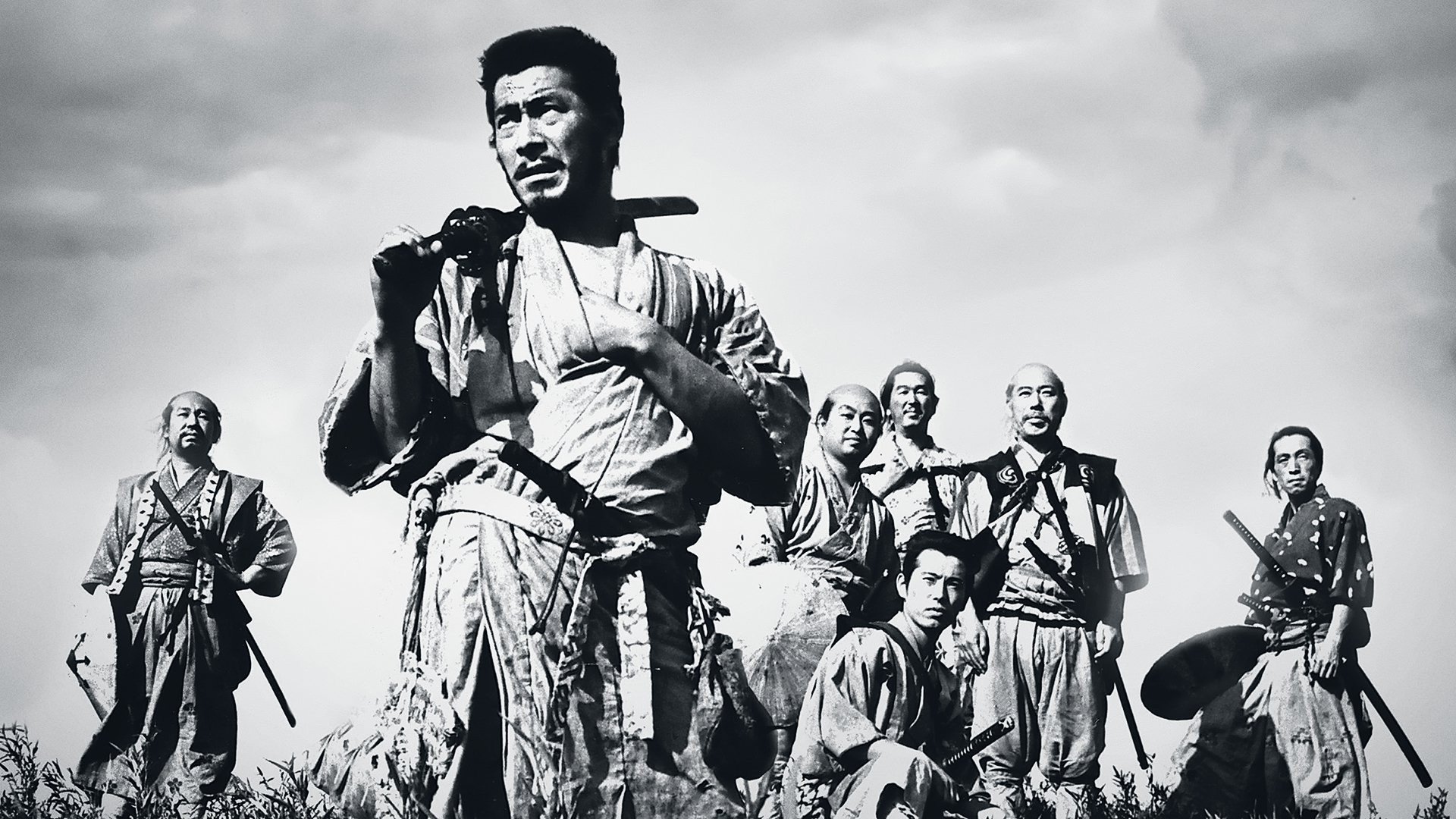
The cinematography by Asakazu Nakai utilizes telephoto lenses to compress the distance between the bandits and the defenders. This visual aesthetics choice flattens the image to create a claustrophobic density during the battle sequences. I observed that the camera frequently pans through the chaos to stitch together multiple points of action into a single coherent movement. The long focal length forces the audience into the mud with the characters rather than allowing them to observe the violence from a safe distance.

The Geography of Tactics
The production design treats the village of farming peasants as a distinct tactical map. Blocking is meticulously choreographed to establish the spatial relationship between the hills, the fences, and the center square. This visual storytelling technique ensures that the audience understands the strategic value of every inch of ground lost or gained. I found that the use of rain in the final act transforms the physical terrain into a dynamic obstacle that slows down the movement of the horses to level the playing field.

The Editing of Motion
A critical review of the editing reveals a revolutionary approach to continuity known as "cutting on motion." The cuts occur at the peak of a physical action to carry the kinetic energy from one shot to the next without losing momentum. Wipes are used to transition between scenes to mimic the turning of a page or a sliding door. I noticed that the pacing creates a rhythm of long periods of waiting punctuated by sudden explosions of violence which mirrors the psychological toll of the siege.

The Flickle Visual Score
10/10 I am awarding this score for inventing the visual language of the ensemble action movie and for the technical mastery of managing hundreds of extras in extreme weather conditions.
If you think you have the eye to spot the specific rice bowl then test your skills in our daily movie puzzle game at Flickle.

Read Next


Mastered the Frame?
Test your visual memory and see if you can guess this movie in 6 frames.
Solve Today's Puzzle