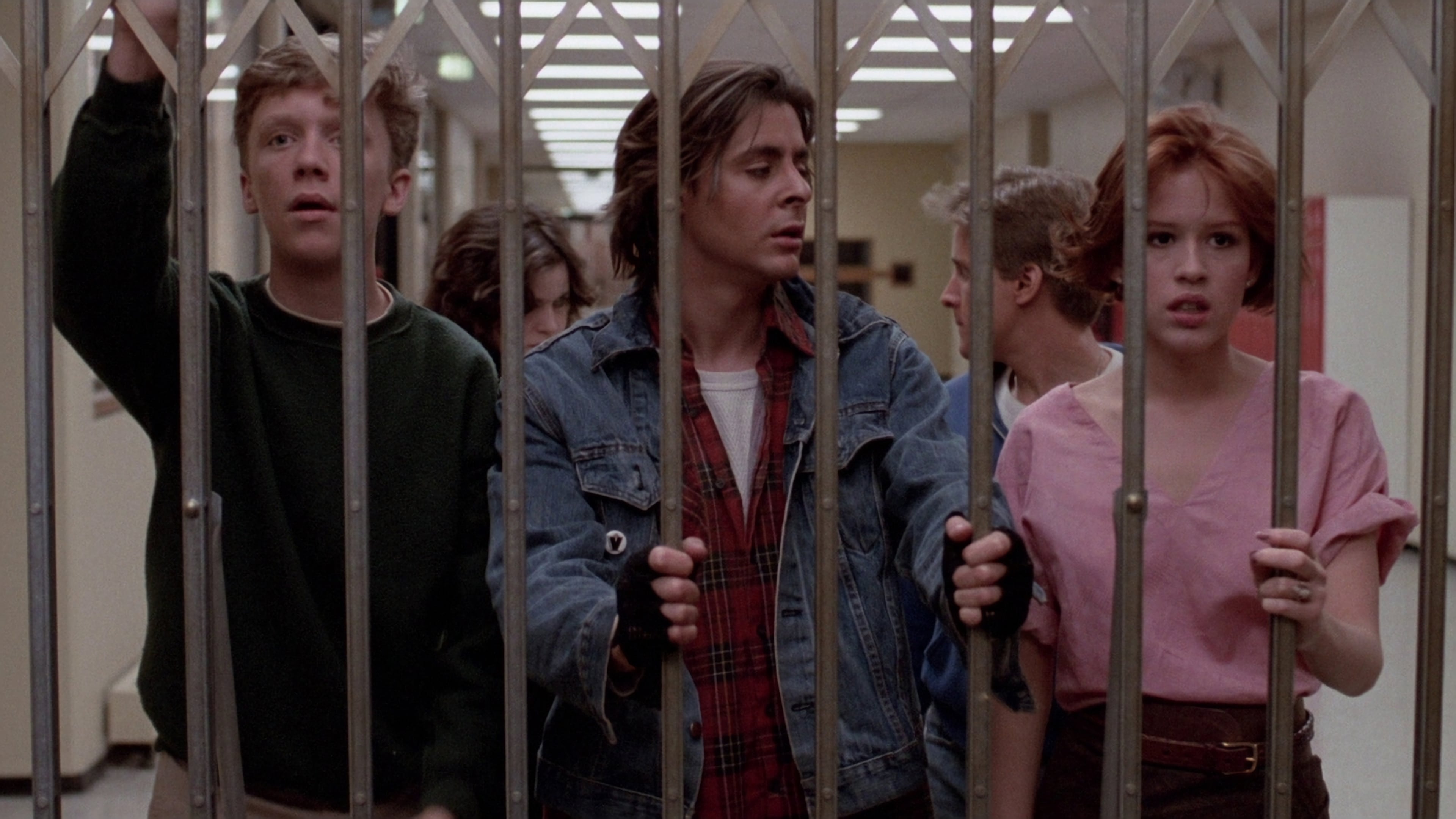
The Breakfast Club Analysis: John Hughes and the Teen Angst
Director John Hughes basically invented the modern teen movie back in 1985 with this massive cultural hit. You watch five completely different high school students suffer through a boring Saturday detention in a library. We get Judd Nelson as the rebellious criminal John Bender clashing constantly with Molly Ringwald as the popular princess Claire Standish. I always tell my friends to watch this classic if they want to understand how teenage stereotypes work. The story drops you right into the awkward silence of a school weekend and forces these kids to actually talk to each other. A closer look beneath the bad haircuts and vintage clothes reveals a surprisingly deep therapy session. A structural analysis shows that every angry argument between these teenagers mirrors their own secret fears about growing up to become their parents.

The Visual Style and Cinematography of a Saturday Detention
Cinematographer Thomas Del Ruth makes the school library look like a bright and restrictive prison. You immediately notice the harsh fluorescent lights and the completely symmetrical bookshelves that trap the characters in the center of the room. I do get a little annoyed when the camera stays completely still for too long during the early morning scenes. The static shots sometimes make the first act feel a bit too much like a boring stage play instead of a dynamic movie. A switch to handheld camera movements during the frantic hallway escape thankfully restores a much better visual energy. The costume department gives the students distinct wardrobe colors to perfectly capture their specific social cliques before they even say a single word.
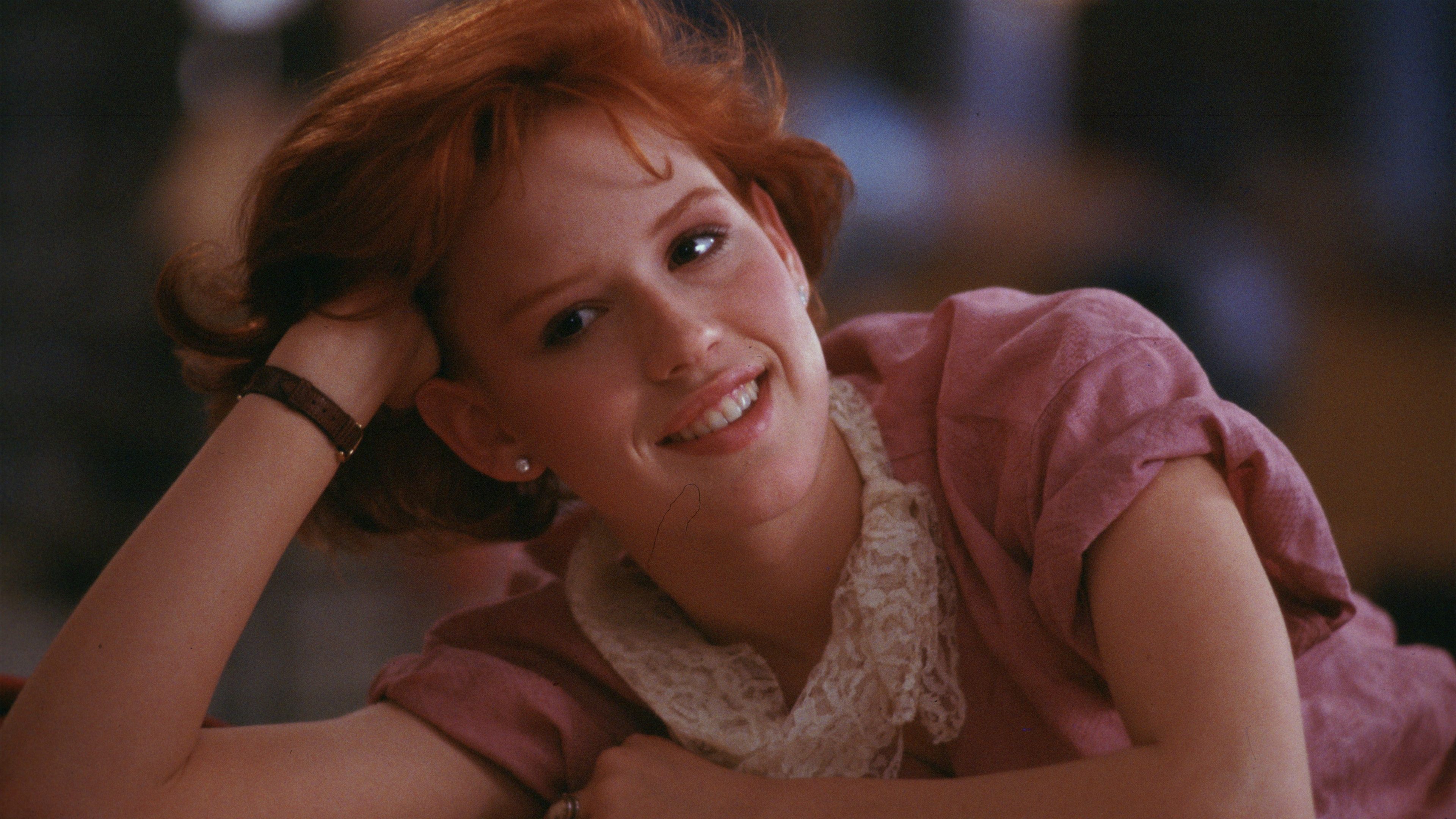
Production Design and the Architecture of High School
Pay attention to the set design and you will see how the room completely dictates the social hierarchy. The massive interior of the Shermer High School library feels totally authentic because the heavy wooden tables and random abstract sculptures match a typical wealthy suburban school. A quick trip out to the dark supply closets offers a totally different vibe entirely. The cramped spaces and dirty mops look like a hidden underworld where the rebellious kids actually feel safe. My main complaint involves the giant metal sculpture in the middle of the room. The weird modern art piece looks a bit too distracting for a standard public school building. The choice to trap these angry kids in one giant room forces a natural conflict that jumps right off the screen.

Sound Design and the Editing Pacing
You really have to listen to the iconic pop soundtrack to understand the rebellious energy of this story. My ears constantly catch the squeak of sneakers on the floor and the loud ticking of the wall clock right before someone finally breaks the silence. The editing moves at a very slow and deliberate pace during the deep emotional confessions. We get a highly memorable synth pop score and the legendary theme song by Simple Minds, and that bold choice makes the final fist pump feel incredibly triumphant. The sudden sound of the principal walking down the empty hallway actually grounds the teenage comedy in a very real and scary physical threat.

Frequently Asked Questions About The Breakfast Club
Let us clear up some common mysteries about this legendary teenage comedy.
- Did the cast film inside a real high school? Yes, the production crew used the abandoned Maine North High School building in Illinois, converting the massive gymnasium into a custom built library set just for the movie.
- Was the emotional circle scene completely scripted? No, the director actually allowed the young actors to improvise a large portion of the famous scene where they sit on the floor and reveal their deepest secrets.
- Did the actors actually smoke real marijuana on set? The prop department simply used dried oregano for the smoking scenes to make it look authentic without breaking any laws.

The Flickle Visual Score: 9.1/10
The incredible chemistry between the young actors and the catchy music keep me coming back, but I cannot deny that some of the jokes aged pretty poorly. Certain insults and romantic resolutions feel so forced by modern standards that you almost lose your connection to the otherwise timeless message.
Fans of classic eighties cinema will definitely love finding the hidden visual details in this giant library. If you want to impress your friends with some obscure movie trivia or just need a fun break, test your skills at Flickle. You can also play our daily movie wordle to prove your ultimate pop culture knowledge.



Mastered the Frame?
Test your visual memory and see if you can guess this movie in 6 frames.
Solve Today's Puzzle